
Building AI Powerhouses
Google researchers, along with colleagues from the University of California, Berkeley, have published a technical paper detailing the evolution of their custom-built AI training supercomputers. The paper covers five generations of Tensor Processing Units (TPUs), from TPU v2 to Ironwood. This collaboration sheds light on the development of these specialized chips.
Latest news
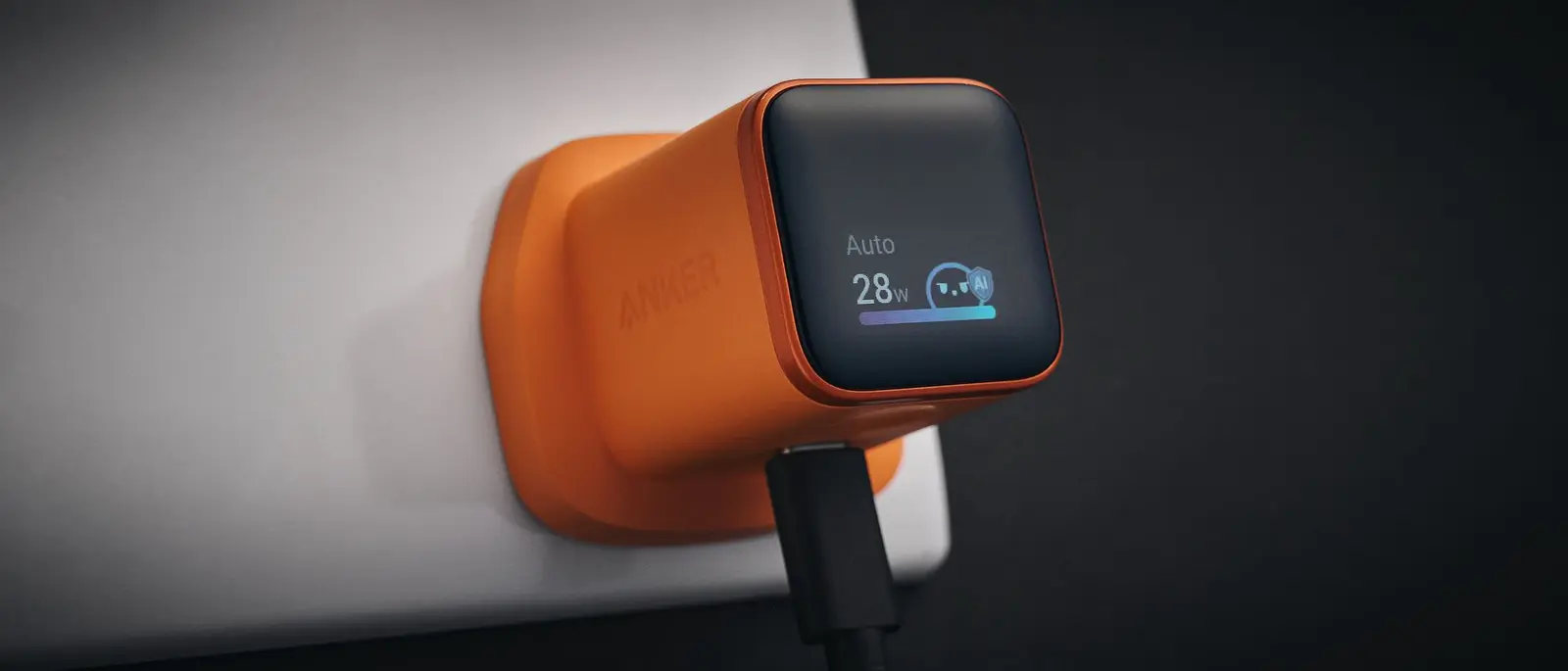 Anker Unveils Playful 45W Charger With Animated Face Display
 Google Docs Web Version Still Missing Native Dark Mode
 Anthropic-Linked Vulnerability Exploited From China, Targets US and Japan
 Text‑Based AI Agents: Your New Digital Assistants
The TPUs are designed to accelerate machine learning workloads, and the paper provides insight into the architectural stability, scalability, and power efficiency of these custom-built systems. Google's TPUs have been instrumental in driving advancements in AI research and applications.
Can Custom Chips Sustain AI Growth?
The researchers highlight significant improvements across the five generations, including a substantial increase in computing performance and a reduction in power consumption. The TPU v2, for instance, marked a major milestone in Google's AI infrastructure, while subsequent generations continued to refine and enhance performance. The Ironwood TPU represents the latest iteration, boasting notable gains in efficiency and capability.
The paper also delves into the challenges associated with scaling these systems, including issues related to resilience and sustainability. Google's engineers have implemented various strategies to mitigate these concerns, ensuring the reliability and environmental viability of their AI training infrastructure.
As AI continues to drive innovation across industries, the demand for powerful and efficient computing infrastructure will only intensify. Google's experience with TPUs offers valuable lessons for the broader tech community, particularly in terms of balancing performance with sustainability.
Frequently Asked Questions
The development of custom AI chips like TPUs is likely to play a crucial role in shaping the future of AI research and applications. As the industry continues to evolve, the insights gained from Google's TPU journey will remain relevant, informing the design of next-generation AI systems.
What drove Google to develop custom AI chips? Google created TPUs to accelerate machine learning workloads and improve performance. The company needed specialized hardware to support its growing AI ambitions. How have Google's TPUs impacted AI research? The TPUs have enabled researchers to train complex models more efficiently, driving breakthroughs in areas like natural language processing and computer vision. What can other companies learn from Google's TPU experience? Other companies can learn from Google's focus on balancing performance with sustainability and its strategies for scaling custom AI infrastructure.
Comments
Leave a comment