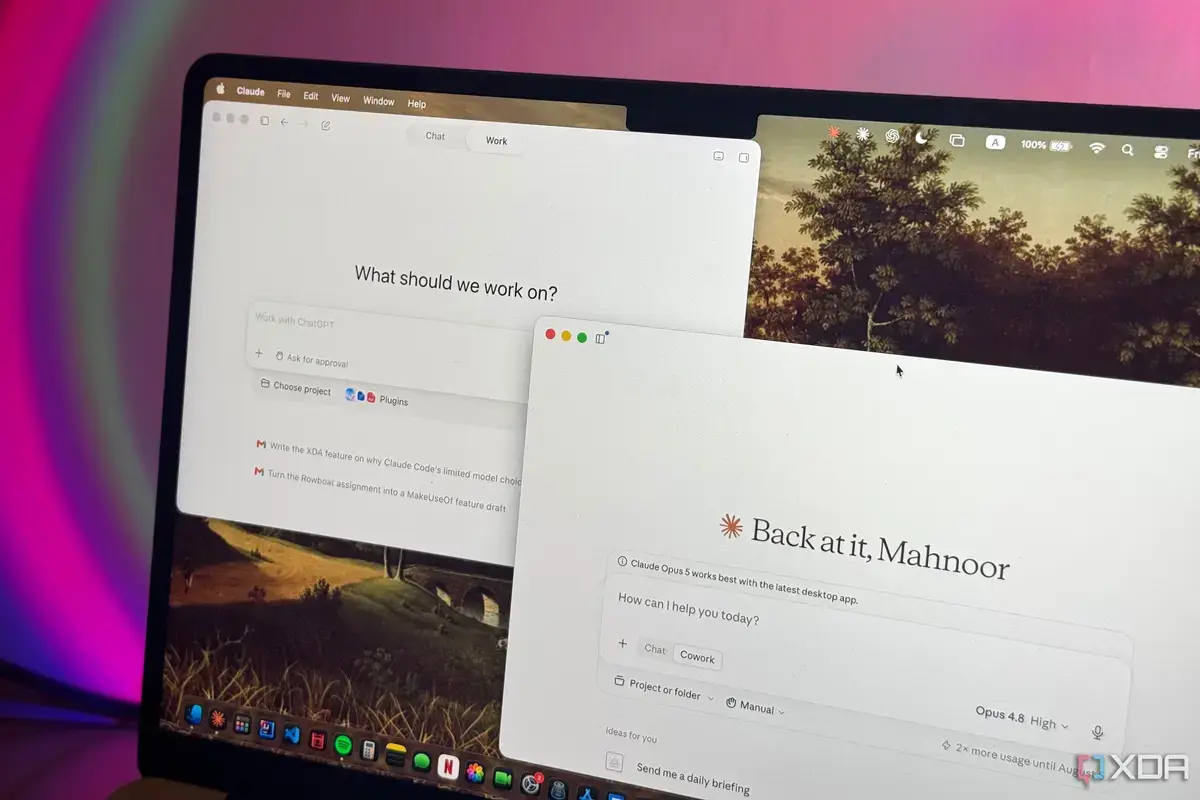
Claude Cowork’s Unanticipated Strength in Data‑Intensive Tasks
In a head‑to‑head test conducted last week, AI‑driven productivity tools ChatGPT Work and Claude Cowork were pitted against each other on a series of real‑world tasks. The experiment, organized by a tech journalist in New York, measured speed, accuracy, and user satisfaction across five common workplace scenarios. Results showed an unexpected edge for Claude Cowork, challenging assumptions about OpenAI’s dominance.
Latest news
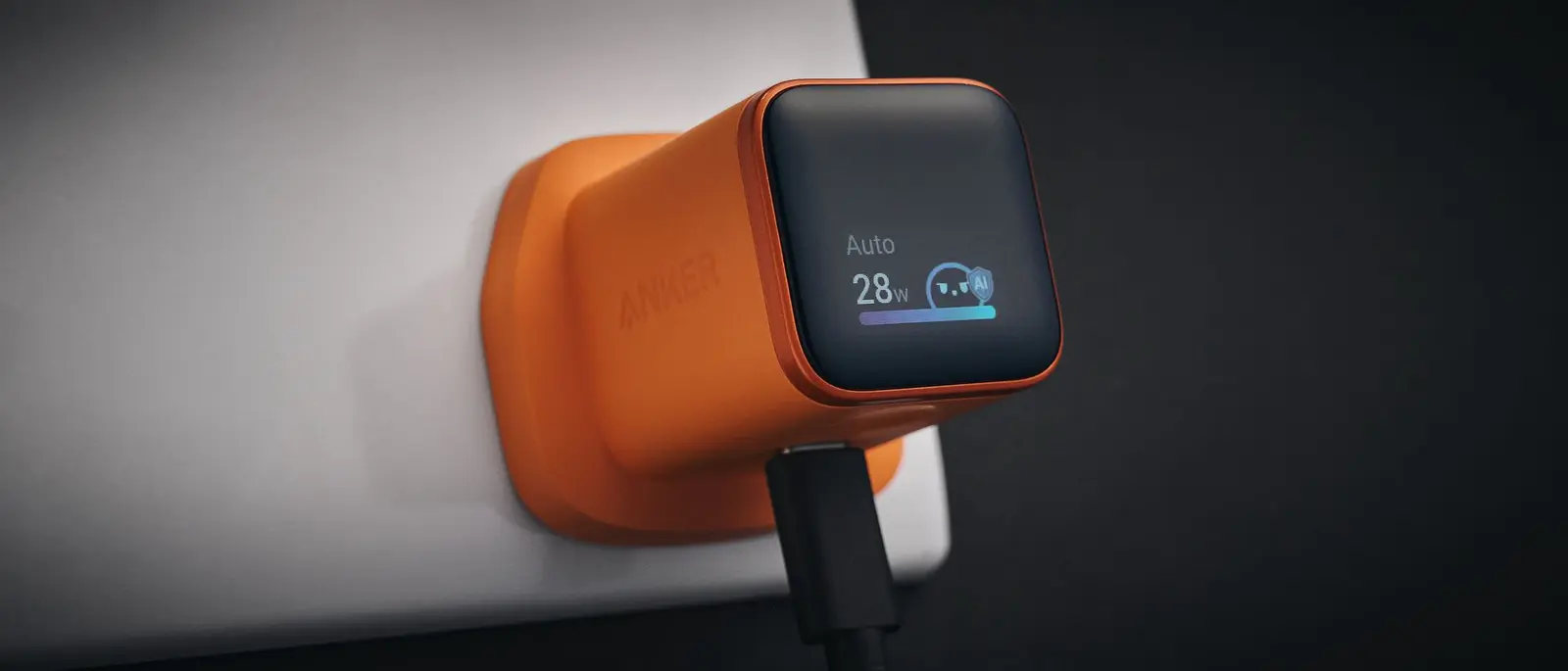 Anker Unveils Playful 45W Charger With Animated Face Display
 Google Docs Web Version Still Missing Native Dark Mode
 Anthropic-Linked Vulnerability Exploited From China, Targets US and Japan
 Text‑Based AI Agents: Your New Digital Assistants
The comparison focused on tasks such as email drafting, spreadsheet analysis, meeting summarization, code debugging, and project planning. Both agents received identical prompts and were evaluated by a panel of five professionals from finance, marketing, and software development. Claude Cowork consistently delivered clearer outputs and required fewer follow‑up prompts, while ChatGPT Work excelled in creative writing but lagged in data‑heavy assignments. The test aimed to uncover practical strengths and weaknesses as AI assistants become integral to daily workflows.
Claude Cowork’s performance stood out in spreadsheet manipulation and code debugging. In the spreadsheet test, the agent identified errors in a complex financial model with 97 % accuracy, completing the task in 42 seconds. By contrast, ChatGPT Work took 68 seconds and missed two critical discrepancies. „Claude’s ability to parse raw data and suggest precise formula corrections was impressive,” said Maya Patel, a financial analyst who observed the trial. The agent also generated concise, syntax‑correct code snippets for a Python debugging scenario, reducing the need for iterative clarification. Users reported higher satisfaction scores for Claude Cowork, citing its straightforward language and minimal need for re‑prompting.
Why Did ChatGPT Work Trail Behind in Certain Scenarios?
ChatGPT Work’s strengths lie in generating nuanced, creative content. Its email drafts were more personable, and its meeting summaries captured subtle tones. However, the model struggled with tasks demanding exact numerical Analysts noted that the system occasionally produced „hallucinated” figures when asked to reconcile data sets, a known limitation of large language models. The underlying architecture, optimized for conversational fluency, appears less suited for rigorous data validation without additional tooling. „We saw a trade‑off between creativity and precision,” explained the test’s coordinator, who highlighted the need for hybrid solutions that combine conversational AI with specialized analytical modules.
The findings suggest that enterprises may need to diversify their AI toolkit rather than rely on a single provider. While ChatGPT Work remains valuable for drafting and brainstorming, Claude Cowork offers a compelling alternative for tasks requiring exactitude and rapid turnaround. As AI agents evolve, the market could see more modular platforms that let users switch between models based on task type, fostering competition and innovation.
Frequently Asked Questions
What criteria were used to evaluate the two AI agents? The test measured task completion time, accuracy of outputs, and user satisfaction across five predefined workplace scenarios, using a blind panel of professionals.
Can the results be generalized to all business environments? While the sample size was limited, the tasks reflect common office activities, suggesting the findings are relevant for many mid‑size companies seeking AI assistance.
Will future updates narrow the performance gap? Both providers regularly release model improvements. Ongoing competition is likely to enhance capabilities, especially in data‑heavy contexts where current disparities are most pronounced.
Comments
Leave a comment