How Integrated Data Enhances Financial Modeling
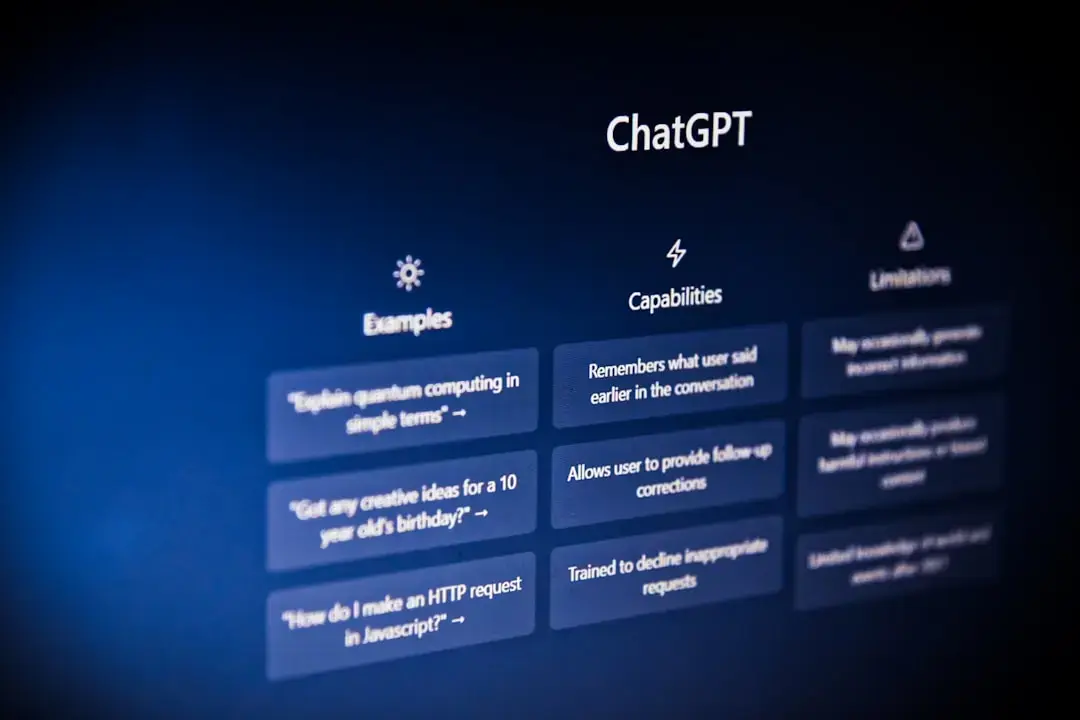
OpenAI unveiled a new version of ChatGPT designed specifically for the financial sector, rolling out the service this week. The offering merges proprietary financial datasets with the advanced Development was guided by close collaboration with Morgan Stanley and Evercore, whose feedback shaped the product’s features and workflow integrations.
Latest news
 The State of Cybersecurity in 2026: Key Segments, Insights, and Innovations
 Why the Rumored iPhone Duo Excites Android Foldable Fans
 AMD's Canceled Ryzen 9 5900X3D Leaks Online
 California Subpoenas OpenAI Over Autonomous AI Hacking Risks
The specialized ChatGPT Work environment provides analysts and advisors a single interface where market data, regulatory filings, and historical performance metrics are pre‑loaded. Users can prompt the system to generate valuation models, draft earnings summaries, or create tailored pitch decks, all while the underlying AI applies GPT‑6 Astra’s deep‑learning logic to ensure accuracy and relevance. OpenAI says the tool reduces manual data‑gathering time by up to 40 percent, allowing teams to focus on strategic insight rather than routine compilation. The partnership with Morgan Stanley and Evercore involved joint design workshops, beta testing, and iterative feedback loops, ensuring the platform meets the rigorous standards of Wall Street firms.
By embedding real‑time market feeds and curated historical datasets directly into the chat interface, the new service eliminates the need for analysts to toggle between spreadsheets, Bloomberg terminals, and separate research portals. When a user asks for a discounted cash flow analysis of a target company, the AI pulls the latest earnings releases, sector multiples, and macroeconomic indicators, then constructs a model that can be exported to Excel or PowerPoint. Early adopters report that the seamless handoff from AI‑generated draft to final presentation cuts project timelines dramatically. OpenAI’s engineers emphasize that GPT‑6 Astra’s ## Will AI Replace Human Judgment in Advisory Work?
The launch raises questions about the balance between automation and expert insight. While the tool can automate data extraction and initial draft creation, OpenAI stresses that it is intended to augment—not replace—human analysts. „Our goal is to give professionals more time for nuanced analysis and client interaction,” said a spokesperson during the announcement. Critics caution that over‑reliance on AI could obscure model assumptions, but the platform includes audit trails and version controls to maintain transparency. As firms integrate the technology, they will need to establish governance frameworks that delineate AI‑generated content from human‑verified conclusions.
Frequently Asked Questions
The introduction of a finance‑focused ChatGPT signals a broader shift toward AI‑driven efficiency in capital markets. If adoption spreads, banks may see faster deal cycles, more consistent client communications, and reduced operational costs. However, the technology’s success will hinge on regulatory acceptance and the ability of firms to train staff on effective AI collaboration. OpenAI plans regular updates, incorporating feedback from its partner institutions to refine data accuracy and expand functional modules.
What distinguishes this version of ChatGPT from the standard product? It incorporates proprietary financial datasets and leverages GPT‑6 Astra’s advanced Which firms helped shape the platform, and why is that important? Morgan Stanley and Evercore participated in design workshops and beta testing, ensuring the tool meets the practical needs and compliance standards of leading financial institutions.
Is the service ready for all types of financial analysis? The launch focuses on research, modeling, and client material creation. While it covers many common tasks, complex or highly specialized analyses may still require human expertise.
Comments
Leave a comment