
By shifting from cloud to local storage
A tech enthusiast replaced costly cloud-based surveillance with a custom-built network video recorder using existing homelab hardware. The solution emerged after growing frustrated with recurring subscription fees tied to UniFi camera systems. By leveraging open-source software and repurposed equipment, the user created a private, on-premises alternative that stores footage locally without third-party involvement.
Latest news
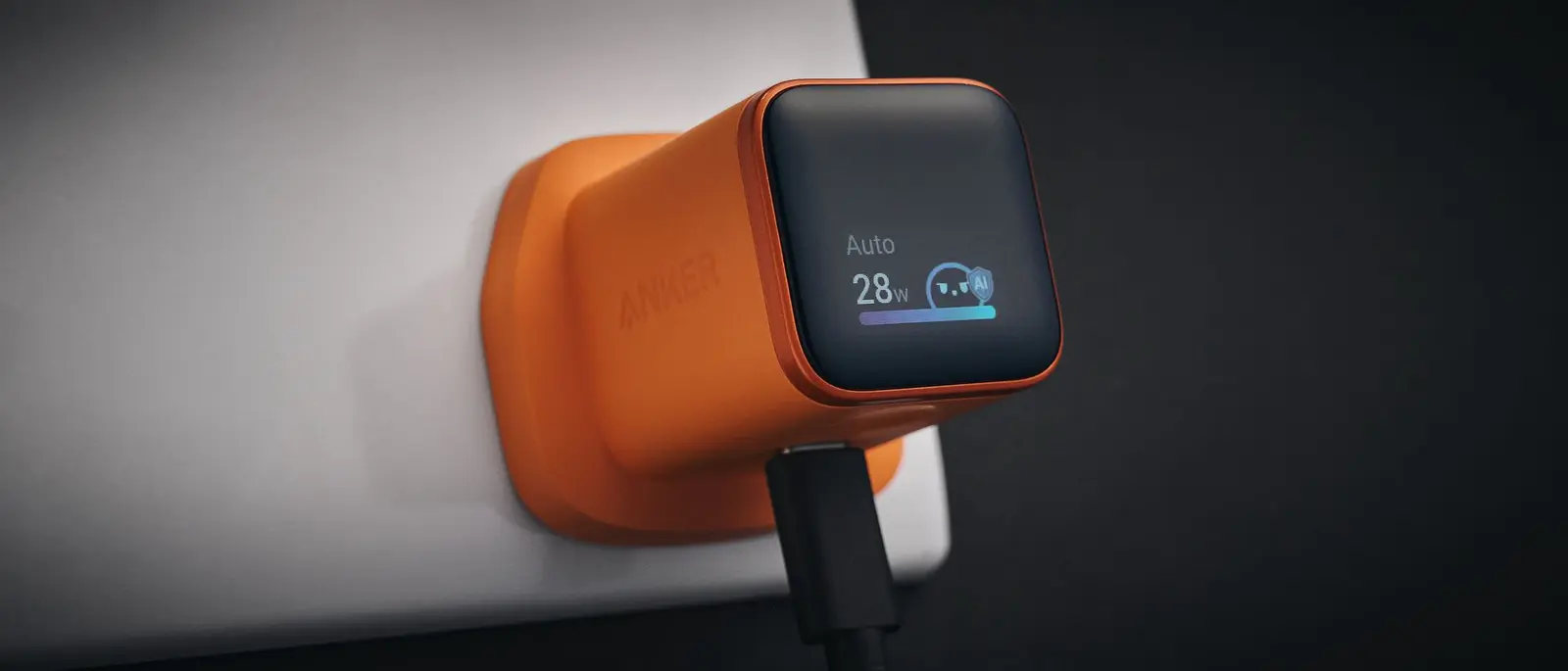 Anker Unveils Playful 45W Charger With Animated Face Display
 Google Docs Web Version Still Missing Native Dark Mode
 Anthropic-Linked Vulnerability Exploited From China, Targets US and Japan
 Text‑Based AI Agents: Your New Digital Assistants
The project began when the user realized their UniFi Protect system required a continuous monthly payment for cloud storage and advanced features. Instead of accepting the expense, they installed Frigate, an open-source NVR platform, on a low-power device already running in their homelab. This setup enabled real-time object detection, continuous recording, and direct access to camera feeds through a local network. Motion-triggered clips are saved to attached storage, while live views remain accessible via a web interface. The entire system operates without internet dependency for core functions, reducing both cost and potential privacy risks.
What Happens When Internet Access Fails?
By shifting from cloud to local storage, the user eliminated ongoing fees while gaining greater control over data retention and access. Frigate’s integration with Home Assistant allows automation triggers based on detected motion or recognized objects, such as turning on lights when a person is seen after dark. The system supports multiple camera streams simultaneously, with hardware acceleration handling video decoding efficiently. Unlike subscription models that may alter terms or pricing, this self-hosted approach offers predictable long-term costs limited only to electricity and occasional drive replacements. The user noted that initial configuration required some technical effort but emphasized that community documentation and pre-built Docker images simplified deployment.
Even during network outages, the NVR continues recording locally because cameras connect directly to the local switch or router, bypassing the need for external servers. Alerts and live viewing may be unavailable remotely, but on-site monitors or devices on the same LAN can still access feeds. Once connectivity resumes, the system syncs any pending events without manual intervention. This resilience contrasts with cloud-dependent systems that often cease recording entirely when internet drops, creating blind spots exactly when security might matter most. The user highlighted this reliability as a key advantage, especially in areas with unstable broadband service.
Is a powerful server required to run Frigate effectively? Not necessarily; a Raspberry Pi 4 or similar low-power device can handle multiple camera streams, especially when using hardware acceleration for video processing and object detection.
Is a powerful server required
Can I still access my cameras remotely with this setup? Yes, by configuring secure remote access methods such as a VPN or reverse proxy, though the user chooses to limit exposure and primarily uses the system locally for privacy reasons.
Will this work with non-UniFi cameras? Frigate supports many RTSP-enabled cameras from various brands, making it adaptable beyond UniFi ecosystems as long as the devices provide a standard video stream.
Comments
Leave a comment