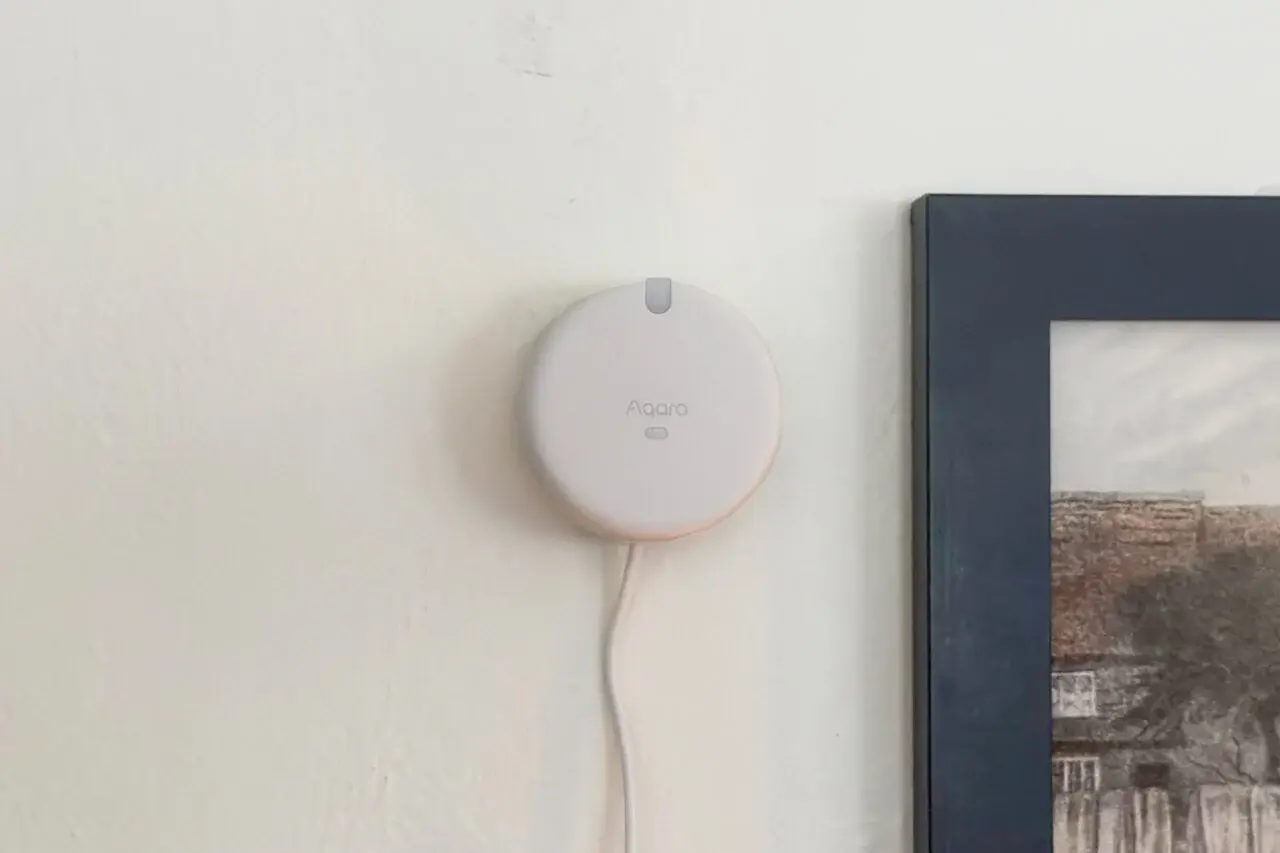
The sensor uses millimeter-wave radar to detect presence
Aqara has released the FP400 Multi-Sensor, a new smart home device designed to detect human presence. This millimeter-wave sensor aims to automate lighting and audio systems. It targets users who want their homes to respond to movement without manual input. The launch follows years of Aqara leading the presence detection market. The core promise of modern smart homes is total automation. Your body should act as the trigger for daily tasks. Lights should turn on when you enter a room. They should reliably switch off when you leave. You might also want a stereo to activate only when you sit in a specific chair. Recent technology has finally made these scenarios possible. Aqara has been a key player in this space. Why the FP400 Falls Short of Expectations Despite Aqara’s strong reputation, the FP400 does not offer significant improvements. It fails to advance the technology meaningfully beyond previous models.
Latest news
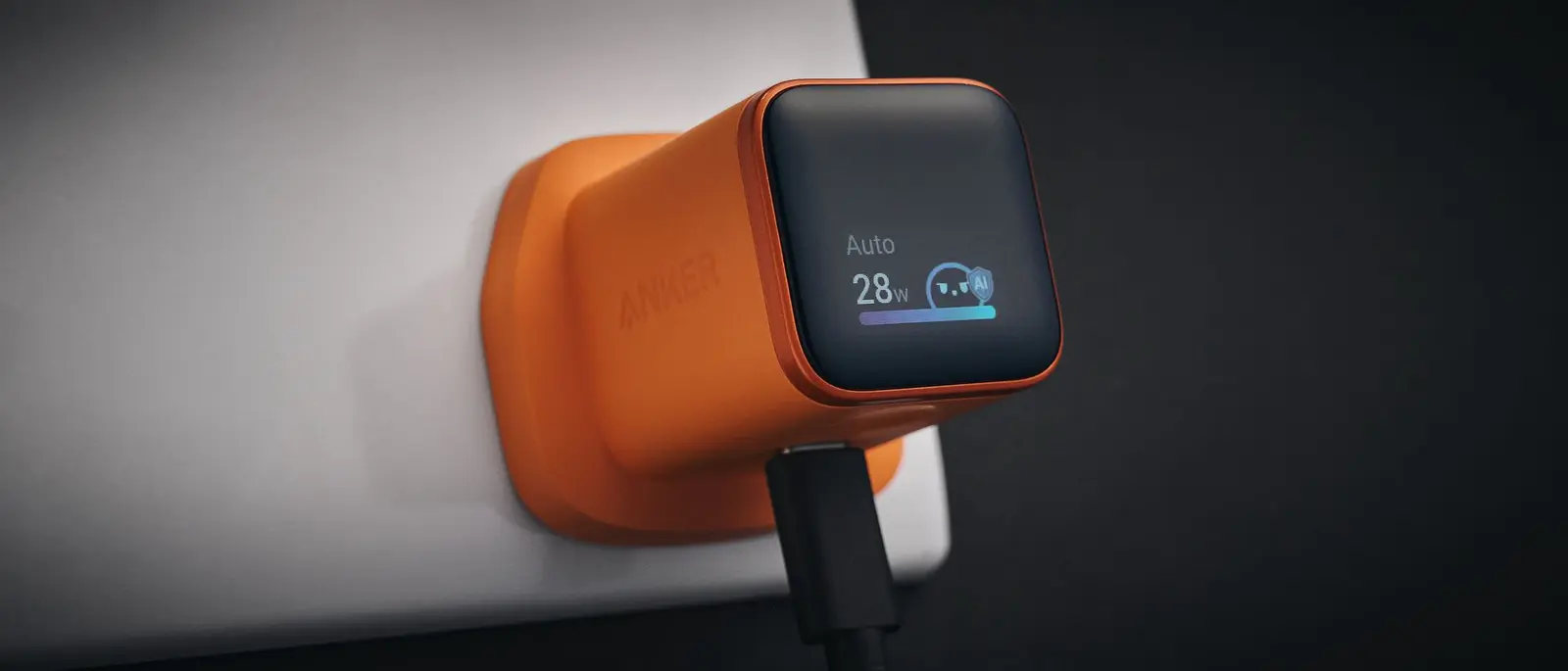 Anker Unveils Playful 45W Charger With Animated Face Display
 Google Docs Web Version Still Missing Native Dark Mode
 Anthropic-Linked Vulnerability Exploited From China, Targets US and Japan
 Text‑Based AI Agents: Your New Digital Assistants
The sensor uses millimeter-wave radar to detect presence. This technology allows for precise location tracking within a room. However, the new hardware lacks the innovation users have been waiting for. It feels like a minor update rather than a breakthrough. The company holds the best mm Wave presence sensors on the market. Yet, this specific release does not change that dynamic. It maintains the status quo instead of pushing boundaries. The device is intended for seamless integration into existing ecosystems. It connects to smart home hubs via standard protocols. This allows users to create complex automation rules. For example, a light might dim when a person approaches. Another light might brighten when they sit down. These features rely on accurate presence data. The FP400 provides this data, but without new capabilities. It does not introduce unique sensing modes. It does not offer better range or accuracy.
It simply performs the same tasks as its predecessors
It simply performs the same tasks as its predecessors. Does the New Sensor Justify the Upgrade? For current Aqara users, the answer is likely no. The performance gains are negligible. The price point reflects a premium product. However, the value proposition is weak for existing customers. New users may still find it useful. It provides a reliable entry point into presence detection. The sensor is compact and easy to install. It requires minimal configuration to start working. However, enthusiasts seeking cutting-edge features will be disappointed. The technology remains static. Aqara needs to deliver more substantial updates. The market expects continuous evolution in this sector. The smart home industry relies on incremental progress. Each new device should offer clear benefits. The FP400 struggles to define those benefits clearly. It serves as a competent tool. But it does not excite the community. Future models must address these gaps.
Aqara has the technical expertise to succeed. They must apply it more boldly. The competition is heating up. Other manufacturers are releasing similar devices. Aqara cannot rely on past success alone. Frequently Asked Questions Is the Aqara FP400 better than older models? No, the FP400 does not offer significant improvements. It performs similarly to previous Aqara presence sensors. It lacks new features or enhanced accuracy. Can the FP400 detect specific body positions? Yes, it uses millimeter-wave radar to track presence. It can distinguish between sitting and standing. This allows for detailed automation rules. Who should buy the Aqara FP400? New users entering the smart home space may benefit. Existing users with older Aqara sensors should wait. The upgrade offers minimal tangible value.
Comments
Leave a comment