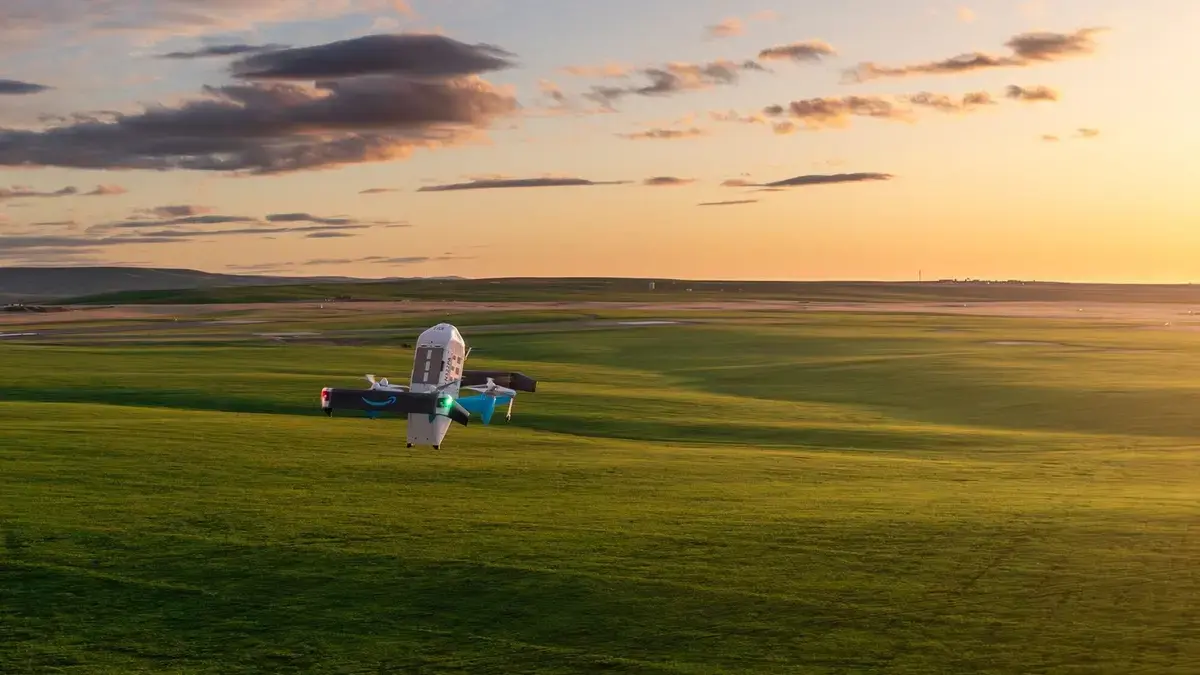
Drone Operations to Serve 500 Cities
Amazon has announced a significant rollout of its Prime Air drone delivery service, targeting the Chicago and Atlanta metropolitan areas. The company plans to cover nearly 500 U. S. towns and cities by year‑end, expanding its aerial logistics network across the country.
Latest news
 Minisforum Unveils High‑End Ryzen AI Max+ PRO 495 Workstation
 NASA Eyes Revival of SR‑71 Blackbird
 My Home Wi‑Fi Was Crowded by 14 Neighbors—A Free App Helped Me Find a Clear Channel
 YouTube is tightening rules for low-effort Shorts
The expansion follows Amazon’s ongoing efforts to streamline last‑mile delivery. Prime Air drones will operate from local hubs, delivering packages within a 15‑minute window. The move aims to reduce traffic congestion, lower carbon emissions, and meet growing consumer demand for rapid delivery.
Amazon’s new plan will see drones deployed in close to 500 towns, including major urban centers and smaller communities. The company has secured regulatory approvals from the Federal Aviation Administration for most of the sites. Prime Air drones will carry packages up to 5 pounds, using advanced navigation systems to avoid obstacles and comply with airspace restrictions.
How the Service Will Change Urban Logistics
„We’re excited to bring faster, greener delivery options to more customers,” said an Amazon spokesperson. „By expanding to 500 cities, we’re making Prime Air a viable choice for everyday purchases, not just special orders.” The expansion will also create local jobs in drone maintenance, operations, and customer support.
The new drone network will operate from strategically placed distribution centers, reducing the need for delivery vans to travel through congested streets. Packages will be loaded onto drones in a matter of minutes and launched directly to the customer’s doorstep. The system is designed to handle peak demand periods, such as holiday shopping seasons, by scaling drone fleets accordingly.
Experts say the technology could cut delivery times from hours to minutes, improving customer satisfaction. Environmental groups applaud the shift to electric drones, which emit no tailpipe pollution. However, some privacy concerns remain, as drones will fly over residential areas.
Will Regulations Keep Up With the Technology?
Regulators are closely monitoring Amazon’s expansion. The FAA has granted „special use airspace” permits for many sites, but ongoing oversight will be required to ensure safety. Amazon has pledged to comply with all local and federal regulations, including maintaining a 500‑meter buffer from airports and restricted zones.
Local governments in Chicago and Atlanta have expressed cautious optimism. City officials hope the new service will reduce traffic congestion and improve air quality, but they also emphasize the need for clear guidelines on drone operation hours and noise levels.
The rollout will likely influence other companies to adopt similar drone delivery models, potentially reshaping the logistics industry. As Amazon continues to refine its technology, the next steps will involve scaling operations, addressing regulatory hurdles, and expanding the fleet’s payload capacity.
Frequently Asked Questions
What types of items can Prime Air deliver? Prime Air can carry items up to 5 pounds, including small electronics, books, and household goods. Larger packages require traditional delivery methods.
Will drones operate at night? Currently, Prime Air drones operate during daylight hours to ensure optimal visibility and safety. Night operations are under development.
How does Amazon address privacy concerns? Amazon follows FAA guidelines and local ordinances, maintaining a safe distance from private properties and restricting flight paths over sensitive areas.
Comments
Leave a comment