
How RADAR Bridges Imaging and Language
Alibaba’s research arm, the Damo Academy, announced on September 20 that it has open‑sourced a new medical AI system called RADAR. The model combines vision and language processing to examine computed tomography (CT) images and pinpoint roughly 150 different medical conditions. The code and pretrained weights are now publicly available for researchers and hospitals worldwide.
Latest news
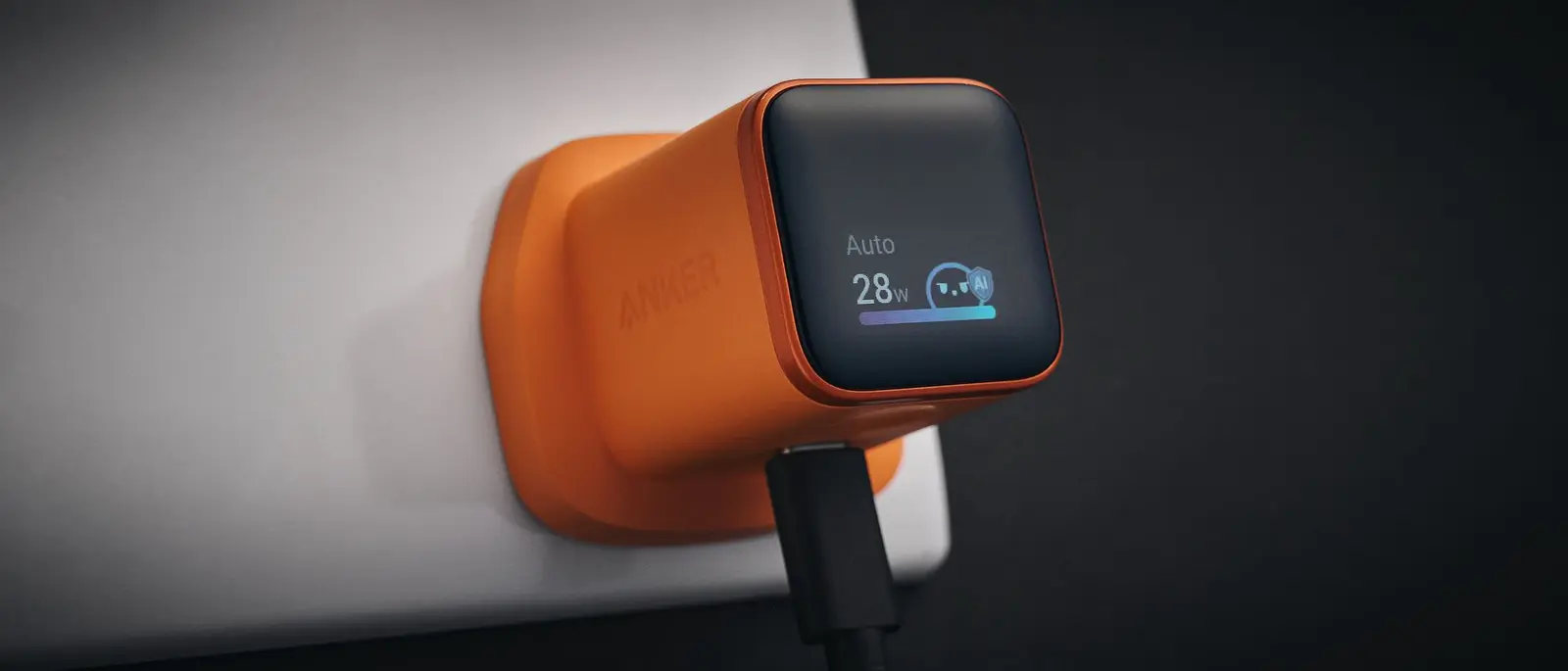 Anker Unveils Playful 45W Charger With Animated Face Display
 Google Docs Web Version Still Missing Native Dark Mode
 Anthropic-Linked Vulnerability Exploited From China, Targets US and Japan
 Text‑Based AI Agents: Your New Digital Assistants
RADAR builds on Alibaba’s broader push into healthcare AI, leveraging large‑scale image datasets and natural‑language descriptions to teach the system how to „see” and „talk” about medical scans. By converting visual patterns into textual reports, the model can generate preliminary findings that radiologists can verify. According to Damo Academy scientists, the system was trained on millions of anonymized CT slices and paired diagnostic notes, allowing it to recognize subtle anomalies that often escape manual review. The open‑source release is intended to accelerate collaboration, reduce development costs for smaller clinics, and foster transparency in AI‑driven diagnostics.
The architecture fuses a convolutional backbone with a transformer‑based language decoder. When a CT scan is input, the visual encoder extracts features that the language module translates into a structured report. Early tests show the model can identify lung nodules, liver lesions, and spinal fractures with accuracy comparable to senior radiologists. „Our goal was to create a tool that speaks the same language as clinicians,” said Dr. Li Wei, lead researcher at Damo Academy. „By outputting clear, concise findings, RADAR can serve as a second pair of eyes, especially in under‑resourced settings.”
Will RADAR Transform Global Radiology Practices?
The open‑source package includes documentation, sample scripts, and a benchmark suite that measures performance across different disease categories. Researchers can fine‑tune the model on local data, adapting it to regional disease prevalence or specific imaging protocols. Alibaba hopes the community will contribute improvements, such as expanding the condition list beyond the current 150 and integrating other imaging modalities like MRI.
Adoption of AI tools in radiology has been uneven, with concerns about reliability, data privacy, and regulatory approval. RADAR’s open nature addresses some of these hurdles by allowing independent verification of its algorithms. However, experts caution that the model is not a replacement for human expertise. „AI can flag suspicious areas, but final diagnosis still requires a qualified radiologist,” noted Dr. Emily Chen, a radiology professor at Shanghai Medical University. The technology may be most impactful in regions where radiology staffing is scarce, offering preliminary triage that speeds up patient care.
Looking ahead, Alibaba plans to collaborate with hospitals to pilot RADAR in clinical workflows. The company also intends to submit the model for certification in key markets, aiming to meet safety standards set by health authorities. If successful, the system could reduce diagnostic delays, lower costs, and improve outcomes for millions of patients worldwide.
Frequently Asked Questions
What types of conditions can RADAR detect? RADAR is trained to recognize about 150 abnormalities, including lung nodules, liver tumors, kidney stones, and spinal fractures, among others.
Is RADAR ready for use in hospitals today? The model is available for research and pilot projects, but it still requires clinical validation and regulatory clearance before widespread deployment.
How can developers contribute to RADAR’s improvement? All code, pretrained weights, and documentation are hosted on a public repository, allowing developers to fine‑tune the model, add new disease categories, or integrate additional imaging data.
Comments
Leave a comment