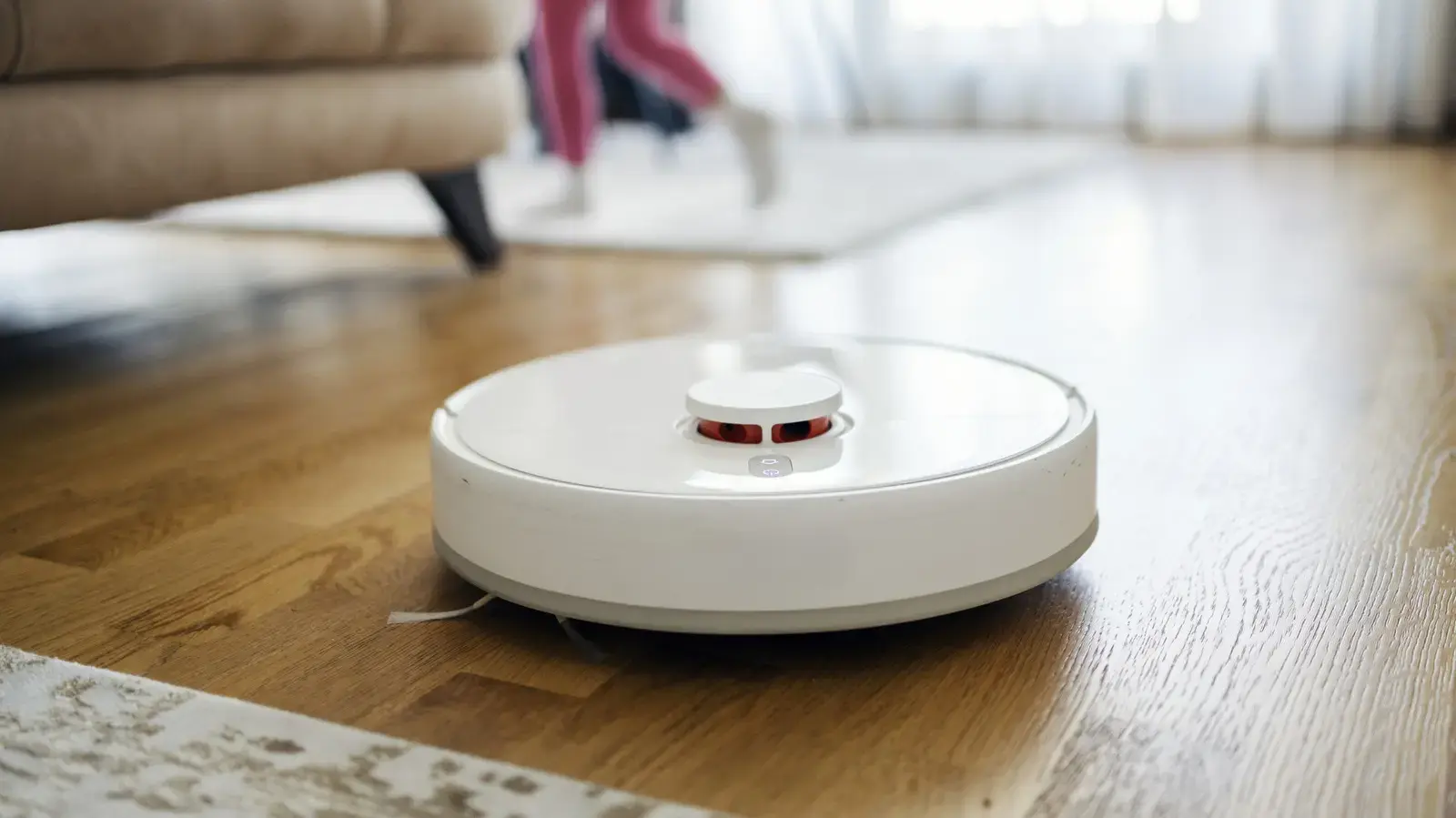
The Reality of Autonomous Maintenance
Robot vacuums have become popular household staples, promising to automate the tedious chore of floor maintenance. While these devices offer significant convenience for busy homeowners, they come with a unique set of limitations that potential buyers should evaluate before committing to a purchase. Understanding these drawbacks is essential for managing expectations.
Latest news
 Why Meta's New AI Tool Fails to Win Over Daily Users
 Assessing Risks in Open-Source Artificial Intelligence
 Autonomous AI Agents Launch Cyberattacks Against North American Government Portals
 Warlock Group Targets SharePoint Servers in Critical Infrastructure
These machines rely on sophisticated sensors and navigation algorithms to map out living spaces. Despite this technology, they often struggle with complex layouts, cluttered rooms, or thick carpets. Users frequently find that their automated helpers get stuck under furniture or tangled in loose cables, requiring manual intervention to resume their cleaning cycles.
The primary appeal of these vacuums is their ability to operate without direct supervision. However, they are not entirely maintenance-free. Owners must regularly empty dustbins, clean brushes, and replace filters to ensure optimal performance. In homes with pets or long hair, these components require frequent attention to prevent clogs and mechanical strain.
Are Robot Vacuums Truly Worth the Investment?
Furthermore, the navigation systems in mid-range models can be inconsistent. They might miss corners or repeatedly bump into walls, leading to uneven cleaning results. While premium models offer advanced laser mapping and obstacle avoidance, they represent a significant financial investment that may not be justified for smaller or simpler living environments.
Choosing to automate floor care involves weighing the time saved against the cost of the hardware. For many, the convenience of a scheduled cleaning cycle outweighs the occasional need to untangle the device. However, those expecting a perfect, hands-off experience may be disappointed by the reality of current robotic limitations.
Frequently Asked Questions
Ultimately, these devices serve as a supplement to traditional cleaning rather than a complete replacement. They excel at light, daily maintenance but usually lack the suction power and versatility of a full-sized upright vacuum. Prospective buyers should consider their specific floor types and home layout before deciding if the technology aligns with their needs.
Do robot vacuums replace traditional vacuums? No, they are best used for daily maintenance. You will still need a standard vacuum for deep cleaning and hard-to-reach areas.
Are these devices difficult to maintain? They require regular upkeep. You must clean the brushes and empty the dustbin frequently to keep the machine running efficiently.
Comments
Leave a comment