Raw Performance Metrics
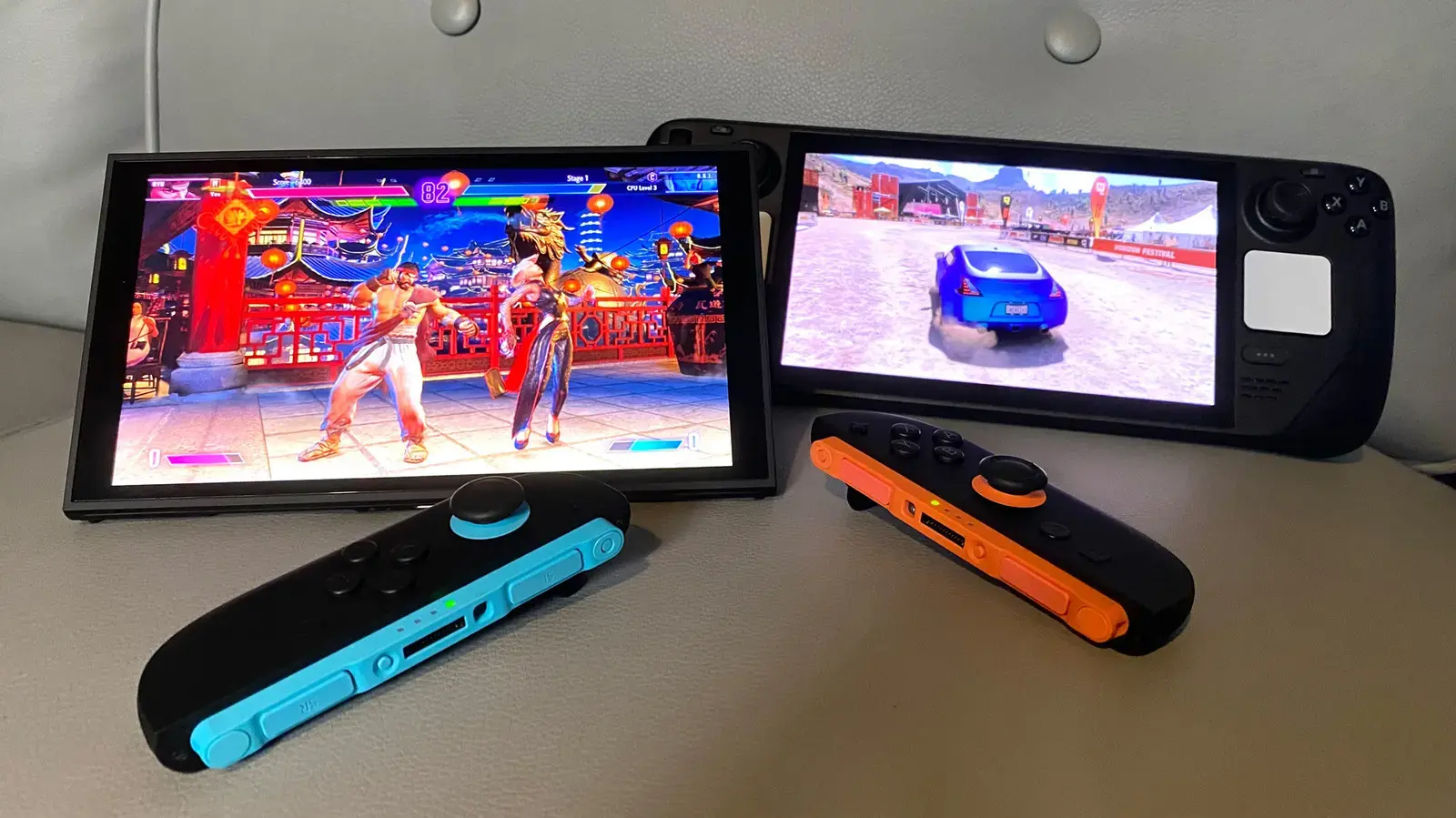
Valve’s Steam Deck and Nintendo’s Switch 2 compete directly in the portable gaming market. While the Switch 2 offers a lower price point and newer hardware, the Steam Deck retains significant advantages in raw processing power. Gamers must weigh cost against performance when choosing between these two distinct handheld systems for their playstyle.
Latest news
 YouTube is tightening rules for low-effort Shorts
 Google releases Android 17 QPR 3 Beta 1 for testing
 Samsung Galaxy S26 FE Slashes $40 Off Its Launch Price
 Meta Launches Muse Gadgets to Bring Brain-Sensing Tech to DIY Hardware
The Switch 2 represents Nintendo’s latest entry into the hybrid console space. It features modern components that improve upon previous generations significantly. However, the Steam Deck utilizes a high-end custom chip designed for desktop-class gaming. This architectural difference allows the Steam Deck to handle demanding titles with greater ease. Users seeking maximum graphical fidelity often lean toward Valve’s device despite its higher initial investment.
The core distinction lies in computational capability. The Steam Deck employs a Zen 2 CPU paired with an RDNA 2 GPU. This combination delivers superior frame rates in complex scenes. In contrast, the Switch 2 focuses on efficiency and battery life optimization. Its hardware targets smooth gameplay for optimized titles rather than brute force rendering. Benchmarks suggest the Steam Deck outperforms the Switch 2 in unoptimized or ported PC games. This makes it a stronger candidate for enthusiasts who want to run heavier software libraries without compromise.
Which Device Fits Your Playstyle
Price remains a critical factor for many buyers. The Switch 2 undercuts the Steam Deck in retail pricing. This affordability makes it accessible to a broader audience. Additionally, the Switch 2 benefits from a curated library of first-party exclusives. These titles are often tuned specifically for the hardware. Conversely, the Steam Deck relies on the vast ecosystem of Steam. Players gain access to thousands of existing PC games. They do not need to wait for specific ports or optimizations. This flexibility appeals to veteran PC gamers who value choice over convenience.
Choosing between these devices depends heavily on user priorities. If budget is tight, the Switch 2 is the logical choice. It provides a polished experience with strong battery endurance. The interface is intuitive for casual players. For those who prioritize power, the Steam Deck wins. It handles modern releases with impressive stability. The larger screen also enhances immersion during long sessions. However, users must consider storage requirements. The Steam Deck often needs external SSD expansion for large game libraries. The Switch 2 manages internal storage more efficiently for its target market.
Looking ahead, both manufacturers will likely refine their offerings. Future updates may close the performance gap further. Battery technology improvements could benefit both platforms equally. The handheld market continues to grow as demand for portable entertainment rises. Consumers now have genuine alternatives beyond traditional consoles. This competition drives innovation in display technology and input methods. Gamers can expect more robust options in the coming years. The rivalry ensures that neither company rests on its laurels. Both brands push boundaries to capture new audiences. Ultimately, the best choice depends on whether you value raw power or integrated convenience.
Frequently Asked Questions
Is the Steam Deck faster than the Switch 2? Yes, the Steam Deck generally offers higher raw processing power. It handles demanding PC games better due to its desktop-class architecture. The Switch 2 prioritizes efficiency over peak performance metrics.
Which handheld has a longer battery life? The Switch 2 typically provides better battery endurance. Its hardware is optimized for power efficiency during extended play sessions. The Steam Deck consumes more energy due to its higher performance capabilities.
Can I play exclusive games on both devices? No, exclusives are platform-specific. Nintendo titles usually require the Switch 2. Most PC games run on the Steam Deck via the Steam client. Cross-platform titles work on both systems if compatible.
Comments
Leave a comment