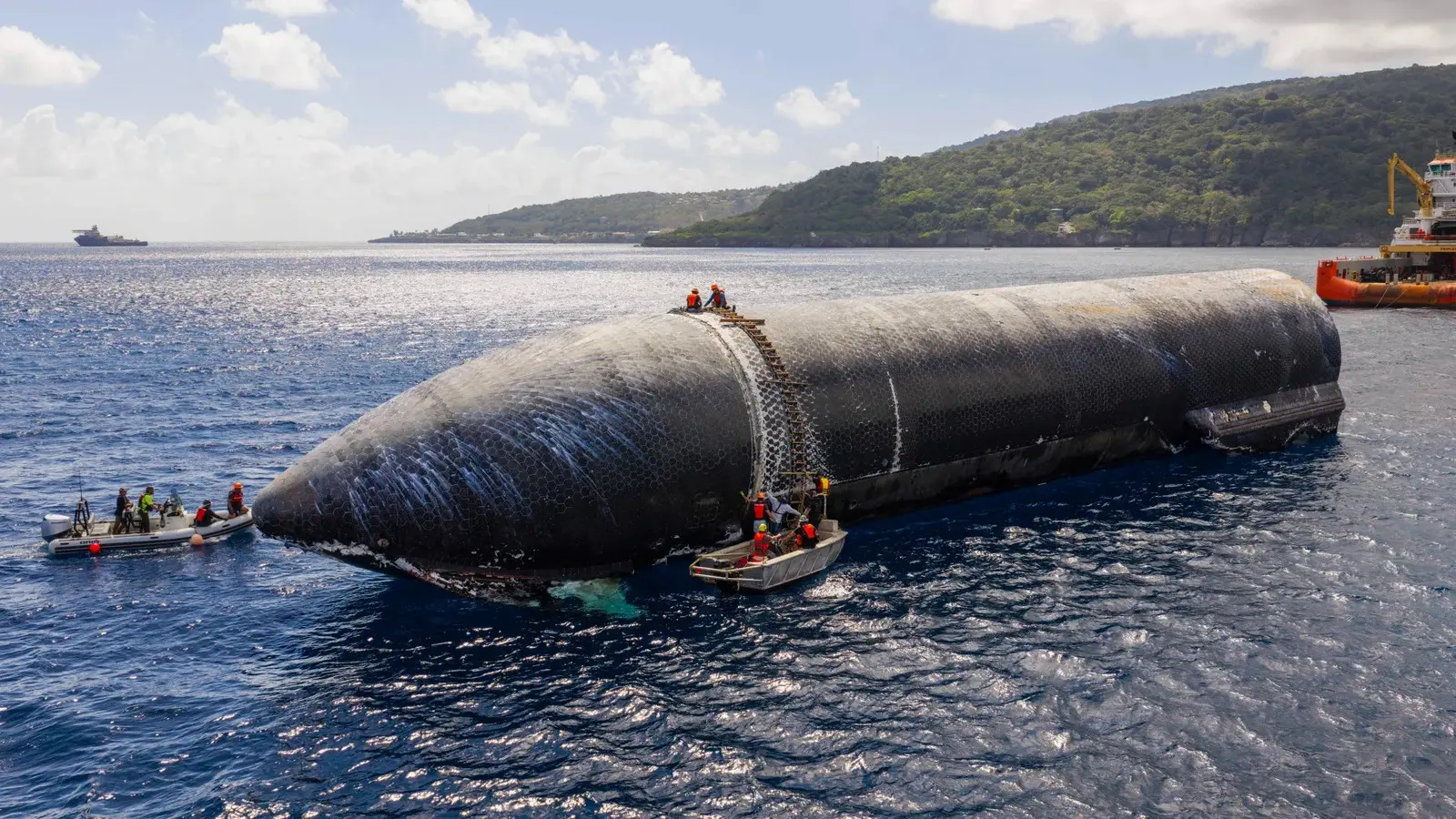
Navigating the Long Journey Home
SpaceX has confirmed that the recovery of Starship vehicle 40 will be a lengthy process. The massive rocket booster currently sits in the Indian Ocean. It must travel thousands of miles to return to its home base in Texas. This journey is expected to span several months rather than weeks. The delay highlights the logistical challenges of deep-sea recovery operations for next-generation spacecraft.
Latest news
 Minisforum Unveils High‑End Ryzen AI Max+ PRO 495 Workstation
 NASA Eyes Revival of SR‑71 Blackbird
 My Home Wi‑Fi Was Crowded by 14 Neighbors—A Free App Helped Me Find a Clear Channel
 YouTube is tightening rules for low-effort Shorts
The specific incident involved a test flight that carried the vehicle far from its intended landing zone. Instead of returning directly to the Gulf of Mexico, the rocket drifted into the Indian Ocean. Engineers had to wait for optimal conditions before initiating the retrieval mission. The vessel spent twenty-four days floating at sea before teams could begin active recovery efforts. This extended period at sea added significant complexity to the overall timeline.
Transporting a fully fueled or partially fueled Starship booster across an ocean is not a simple task. The vehicle requires specialized support ships and careful route planning. SpaceX must ensure the structural integrity of the rocket during transit. Any rough seas or unexpected weather patterns could complicate the movement. The team is likely using a dedicated transport platform to move the booster safely. This approach minimizes the risk of damage to critical components. The long distance means the rocket cannot simply be towed quickly. It requires a steady, controlled pace to protect the hardware.
Why the Delay Matters for Future Launches
The decision to recover this specific unit stems from its value to the program. Starship 40 represents a significant investment in reusable rocket technology. Bringing it back allows engineers to inspect internal systems thoroughly. They can analyze data collected during the flight and subsequent drift. This information is crucial for refining future launch protocols. The recovery effort demonstrates SpaceX’s commitment to reusability. Even when a flight ends unexpectedly, the hardware is worth saving. The company views each recovered booster as a lesson learned.
The months-long wait affects the testing schedule for upcoming missions. Engineers need the physical unit to validate their models. Without it, they must rely on simulations and telemetry data alone. Physical inspection provides insights that digital records cannot always capture. For instance, material fatigue or thermal stress might only be visible up close. These findings help improve the design of subsequent boosters. The delay does not halt the entire Starship program. Other vehicles continue to undergo testing and preparation. However, the absence of Starship 40 slows down certain validation steps.
Frequently Asked Questions
SpaceX faces pressure to maintain a rapid launch cadence. Balancing quick turnaround times with thorough analysis is difficult. The company must decide how much time to allocate for this specific recovery. A rushed return might compromise the data quality. A slow return might leave the booster idle for too long. Management is likely weighing these factors carefully. The outcome of this recovery will inform future operational procedures. It sets a precedent for handling similar off-target landings.
How long did the rocket stay at sea? The Starship 40 booster floated in the Indian Ocean for twenty-four days. This period elapsed before recovery teams could begin their operations. The duration was determined by weather and logistical readiness.
Why does the return trip take so long? The distance between the Indian Ocean and Texas is vast. Transporting such a large object requires careful planning and steady movement. The process involves multiple stages of support and monitoring.
Comments
Leave a comment