Observing a Lunar Collision
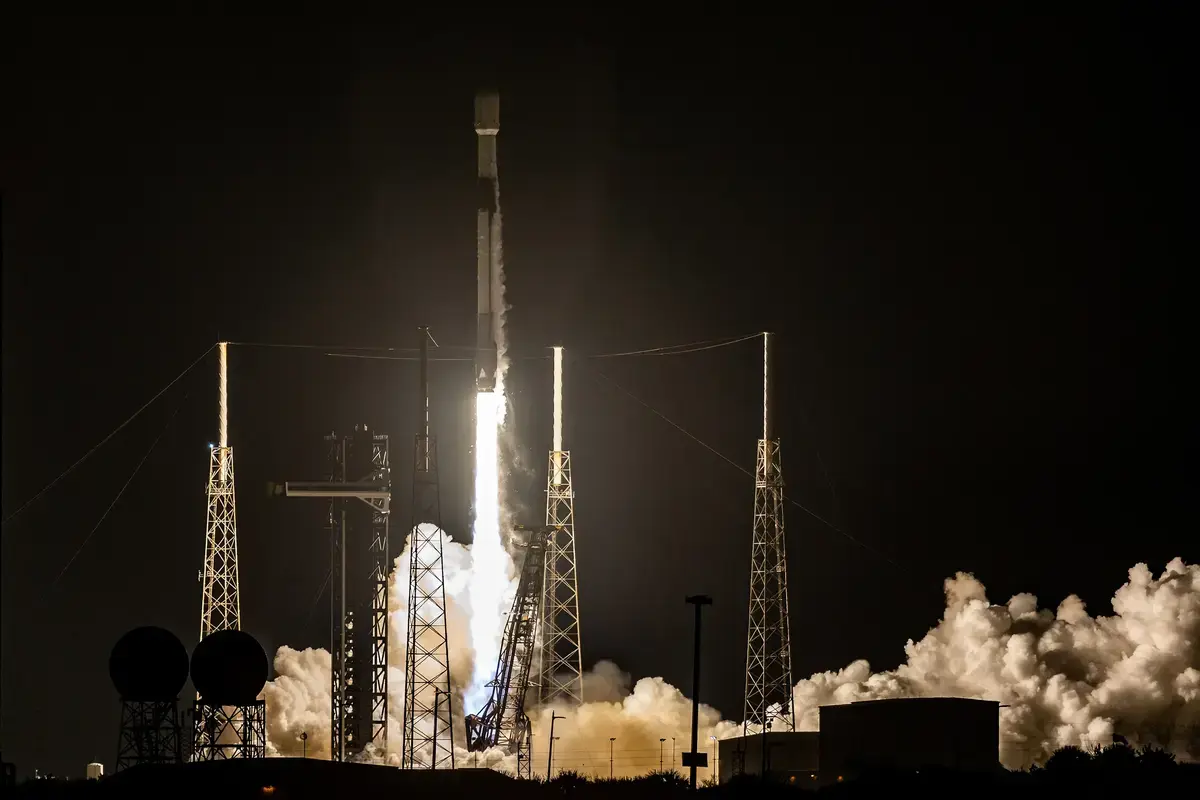
A SpaceX Falcon 9 rocket is on a collision course with the Moon. The impact is expected to create a significant plume of debris. This event could be visible from Earth through certain telescopes. Astronomers are preparing to observe the rare occurrence.
Latest news
 Minisforum Unveils High‑End Ryzen AI Max+ PRO 495 Workstation
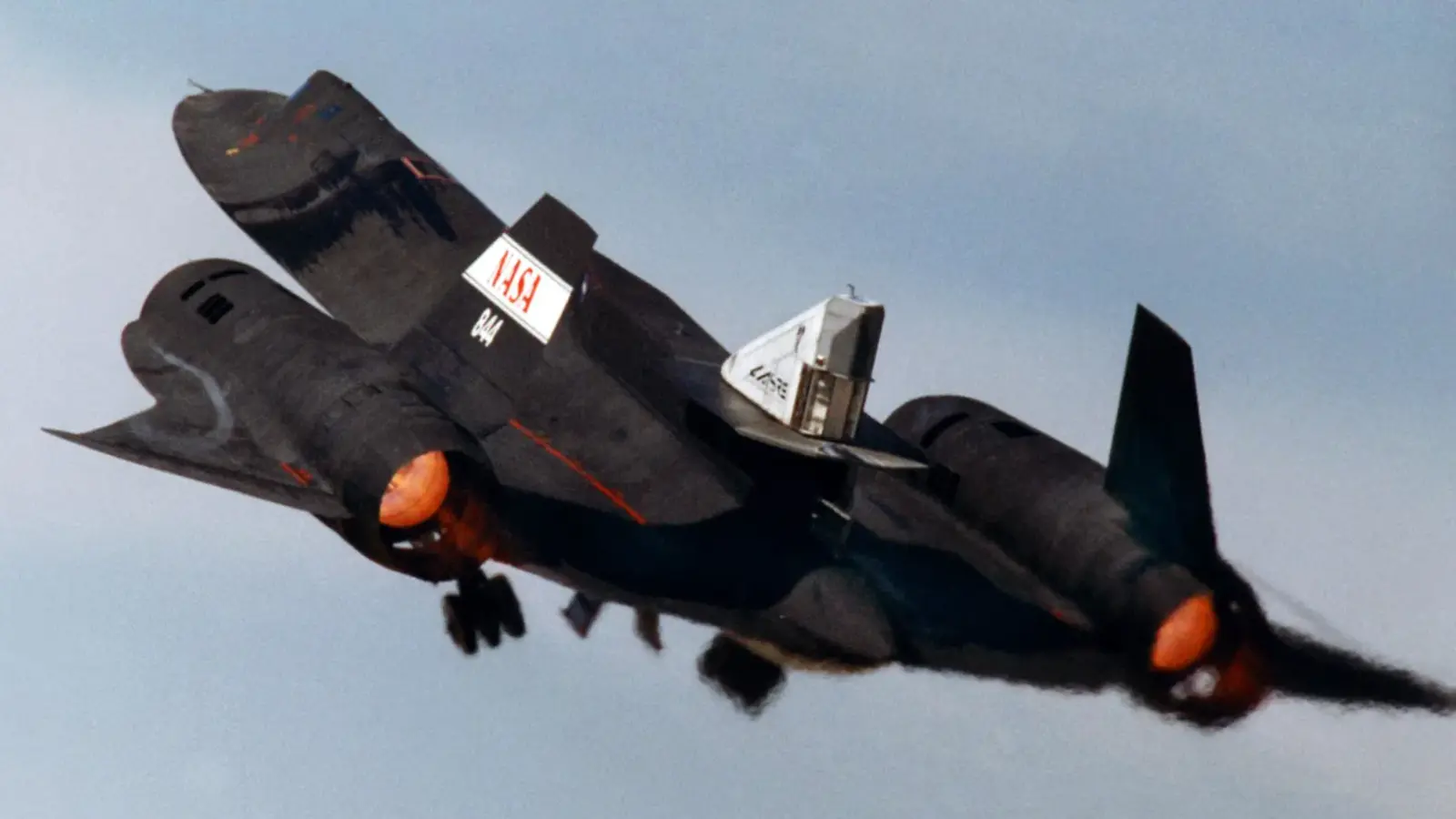 NASA Eyes Revival of SR‑71 Blackbird
 My Home Wi‑Fi Was Crowded by 14 Neighbors—A Free App Helped Me Find a Clear Channel
 YouTube is tightening rules for low-effort Shorts
The rocket stage has been in a chaotic orbit for several years. It was launched in 2015 as part of a mission to send a satellite into deep space. Now, gravitational forces have pulled it towards a lunar crash.
Scientists anticipate the collision will happen on July 31, 2026. The exact impact site is still being refined. However, the resulting debris cloud is predicted to be substantial. This makes it a unique opportunity for observation.
What Can We Learn From This Impact?
Amateur astronomers with powerful telescopes might also catch a glimpse. The event offers a chance to study the Moon's surface and subsurface material. Researchers hope to learn more about lunar geology.
This unplanned lunar impact provides a valuable scientific opportunity. The crash will excavate a new crater. Analyzing the ejected material could reveal secrets about the Moon's composition. Scientists can study the dynamics of impacts on celestial bodies.
The event is generating considerable interest within the astronomical community. It highlights the long-term presence of human-made objects in space. The data collected will contribute to our understanding of the solar system.
Frequently Asked Questions
What is hitting the Moon? A spent upper stage of a SpaceX Falcon 9 rocket is expected to impact the lunar surface. It has been in space since its launch in 2015.
Will the impact be dangerous? No, the impact poses no danger to Earth or to any lunar missions. It is a relatively small object hitting a large celestial body.
Can I see the impact from Earth? It might be visible through some telescopes, particularly professional ones. The debris plume is expected to be high enough for observation.
Comments
Leave a comment