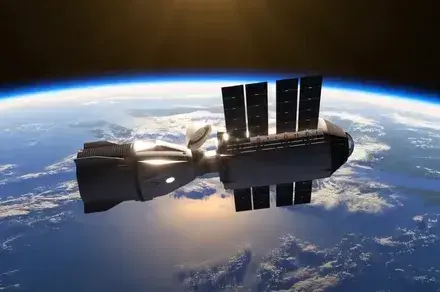
The Orbital Data Center Boom
Tech giants are turning to space to house their data centers. Companies like SpaceX and Blue Origin are proposing massive satellite constellations to operate as orbital data centers. This move is driven by the growing demand for data storage and processing.
Latest news
 Minisforum Unveils High‑End Ryzen AI Max+ PRO 495 Workstation
 NASA Eyes Revival of SR‑71 Blackbird
 My Home Wi‑Fi Was Crowded by 14 Neighbors—A Free App Helped Me Find a Clear Channel
 YouTube is tightening rules for low-effort Shorts
The idea may seem futuristic, but it's a response to the increasing strain data centers are putting on Earth's resources. AI data centers already consume vast amounts of electricity and water, prompting Silicon Valley to look for alternative locations.
Can Space-Based Data Centers Solve Our Problems?
SpaceX and Blue Origin are at the forefront of this trend, with plans for enormous constellations of satellites that can process and store data in orbit. Other companies are also joining the fray, driven by the promise of virtually limitless space and potentially lower operating costs.
As the demand for data storage and processing continues to grow, these companies are betting that space-based data centers can provide a solution. However, this raises concerns about the environmental impact and the potential risks associated with housing critical infrastructure in space.
While the idea of orbital data centers may seem like a solution to our data storage needs, it also poses significant challenges. The environmental impact of launching and maintaining these constellations is still unclear, and the risks of collisions and space debris are very real.
Frequently Asked Questions
The consequences of this trend could be far-reaching, with potential implications for the environment, the economy, and our reliance on space-based infrastructure. As the industry continues to evolve, it's likely that we'll see a mix of innovation and regulation as governments and companies navigate the challenges and opportunities presented by space-based data centers.
What are the main drivers behind the move to space-based data centers? The growing demand for data storage and processing, coupled with the strain data centers are putting on Earth's resources. How do space-based data centers differ from traditional ones? They operate in orbit, potentially offering more space and lower operating costs. What are the potential risks associated with space-based data centers? The environmental impact of launching and maintaining these constellations, as well as the risks of collisions and space debris.
Comments
Leave a comment