
Laboratory Plasma Tunnel Mimics Atmospheric Re‑Entry
A team of German researchers used a high‑energy plasma tunnel to replicate the final descent of defunct satellites on July 22, 2026. The experiment, conducted at the Institute for Space Physics in Cologne, aimed to understand how metal fragments disperse and how they might affect Earth’s upper atmosphere.
Latest news
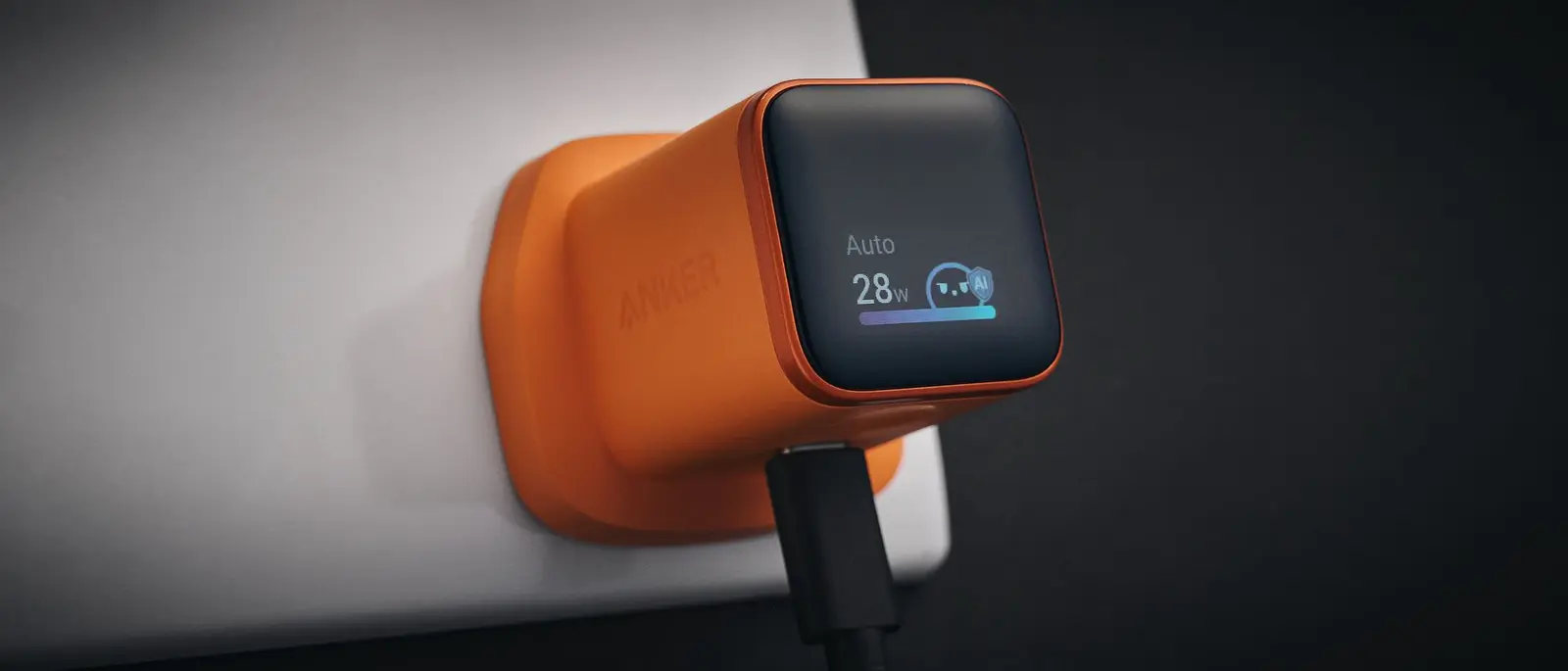 Anker Unveils Playful 45W Charger With Animated Face Display
 Google Docs Web Version Still Missing Native Dark Mode
 Anthropic-Linked Vulnerability Exploited From China, Targets US and Japan
 Text‑Based AI Agents: Your New Digital Assistants
The scientists injected a scaled‑down aluminum mock‑satellite into a plasma stream that mimics the friction‑heated layers of the thermosphere. Sensors recorded temperature spikes, shock‑wave formation, and the breakup pattern of the metal. Results showed that re‑entry produces fine aluminum ash that can linger for weeks, potentially altering atmospheric chemistry. „We observed a cloud of nanometer‑scale particles that behave differently from larger debris,” said Dr. Markus Keller, lead engineer on the project.
In the tunnel, the mock‑satellite traveled at speeds equivalent to 7.8 km s⁻¹, the typical orbital velocity of low‑Earth objects. As it entered the plasma, the outer shell vaporized within seconds, creating a luminous sheath of ionized gas. High‑speed cameras captured the rapid disintegration, while mass spectrometers identified the composition of the resulting particles. The data revealed that up to 30 % of the satellite’s mass converts to microscopic aluminum oxide, which can be transported by wind currents into the mesosphere.
Will Satellite Debris Change Our Atmosphere?
The experiment also measured the acoustic signature of the breakup, offering a new way to track re‑entry events from ground stations. „Acoustic monitoring could complement radar and optical methods, giving us a fuller picture of debris dispersion,” Keller added.
Scientists worry that the persistent aluminum ash could influence ozone chemistry and radiative balance. Laboratory models suggest that these particles may act as catalytic sites for chlorine‑driven ozone depletion, though the effect is expected to be modest on a global scale. However, the cumulative impact of thousands of re‑entries each year could become significant over decades.
Understanding the exact pathways of debris helps policymakers design better mitigation strategies, such as controlled de‑orbiting or material redesign. The plasma tunnel results also inform satellite manufacturers about the benefits of using burn‑friendly alloys that produce fewer harmful by‑products.
The research marks a step forward in predicting the environmental footprint of the growing space debris problem. Future work will expand the tunnel’s capabilities to test composite materials and larger satellite mock‑ups, aiming to refine atmospheric impact assessments.
Frequently Asked Questions
What is a plasma tunnel and why is it useful? A plasma tunnel creates a controlled flow of ionized gas that replicates the high‑temperature, high‑speed conditions of Earth’s upper atmosphere, allowing scientists to study re‑entry physics safely on the ground.
How does aluminum ash affect the atmosphere? Fine aluminum particles can serve as nucleation sites for chemical reactions, potentially influencing ozone depletion and heat absorption, though current estimates suggest a limited regional effect.
Can this research improve satellite design? Yes; by identifying which materials generate the most hazardous by‑products, engineers can select alloys that burn more cleanly, reducing long‑term atmospheric contamination.
Comments
Leave a comment