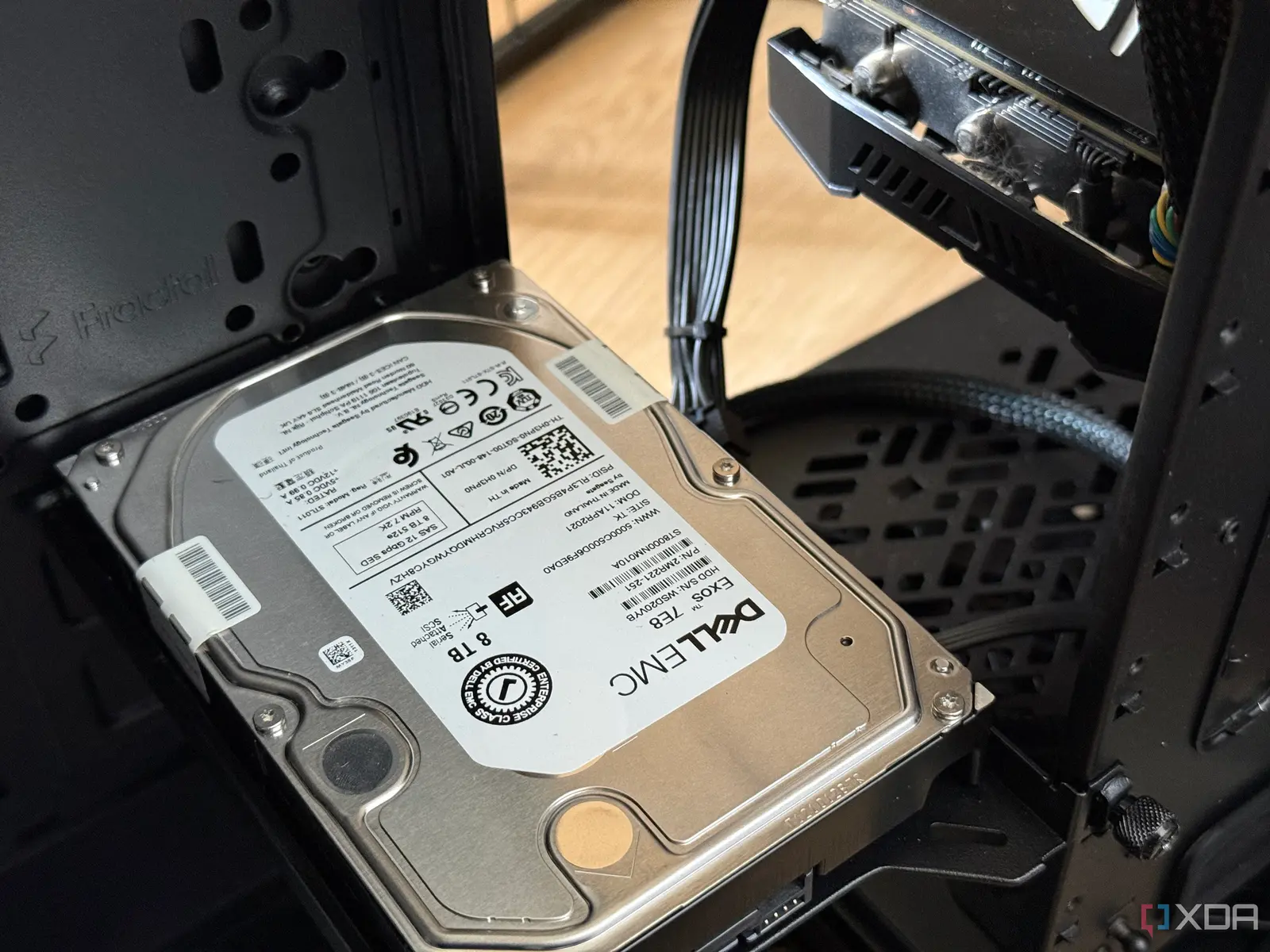
Why a Network Drive Beats a Local SSD for Game Libraries
A 10‑year‑old hobby turned career, the author discovered that relocating his Steam library to a ZFS mirrored network drive freed up significant workstation space and reduced game load times more than expected. The move took place on a home network in September 2026, and the results surprised many who doubt network storage for large game libraries.
Latest news
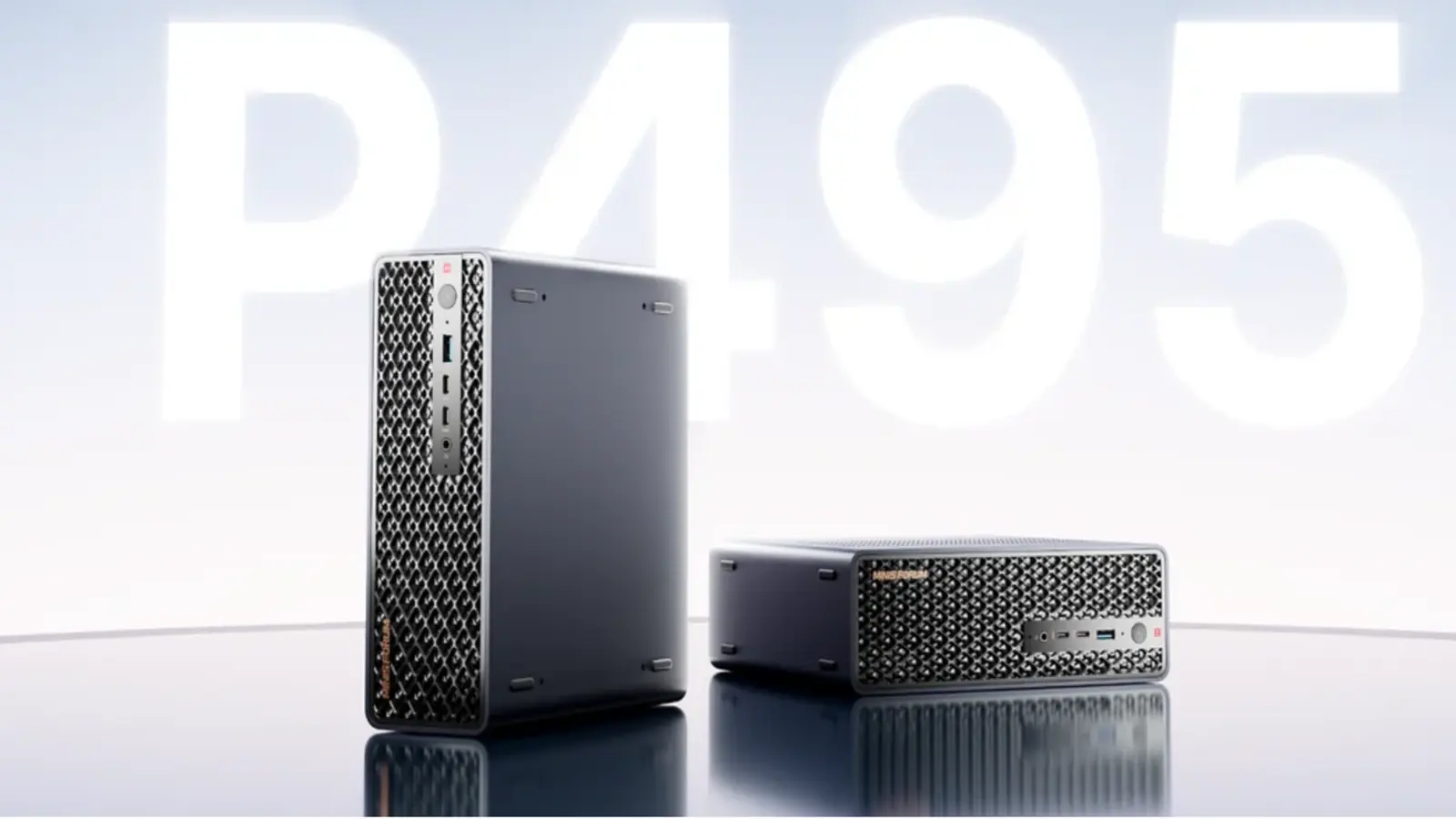 Minisforum Unveils High‑End Ryzen AI Max+ PRO 495 Workstation
 NASA Eyes Revival of SR‑71 Blackbird
 My Home Wi‑Fi Was Crowded by 14 Neighbors—A Free App Helped Me Find a Clear Channel
 YouTube is tightening rules for low-effort Shorts
The author, a seasoned PC builder, had been running his Steam library on a local SSD. As game sizes grew, storage became a bottleneck. He set up a ZFS mirror across two networked drives, moved the library, and monitored performance. Load times dropped from an average of 12 minutes to just 5–6 minutes, while the workstation’s internal SSD remained free for other tasks.
How Does This Affect Future PC Builds?
ZFS offers data integrity, compression, and snapshot capabilities that a typical SSD lacks. By mirroring data across two drives, the author eliminated single‑point failures and reduced wear on any one disk. The compression feature saved roughly 30 % of the library’s size, freeing up the workstation’s internal storage for software and backups.
Performance improvements stem from ZFS’s efficient caching and the network’s high bandwidth. The author noted that the network interface, a 10 GbE connection, consistently delivered throughput above 1 Gbps, which is sufficient for large game downloads and rapid load operations.
Frequently Asked Questions
Many gamers still rely on local SSDs for speed, but this case shows that a well‑configured network storage can match or surpass local performance while offering better scalability. Builders can now consider integrating ZFS mirrors or similar redundancy schemes into their home networks, especially when multiple users share a library.
The author plans to expand the setup to include a backup server and automated snapshot rotation, ensuring that game data remains safe and up to date. He also intends to test other file systems, such as Btrfs, to compare compression ratios and performance.
Comments
Leave a comment