
Voice‑First Experience: How Microphones Change the Game
A new version of Google’s streaming media player is reportedly in development. The device will keep the familiar rectangular shape but will be slimmer, offering a smaller footprint for tighter spaces. It is expected to launch later this year, though no official date has been announced.
Latest news
 Major AI firms recorded peak lobbying expenses last summer
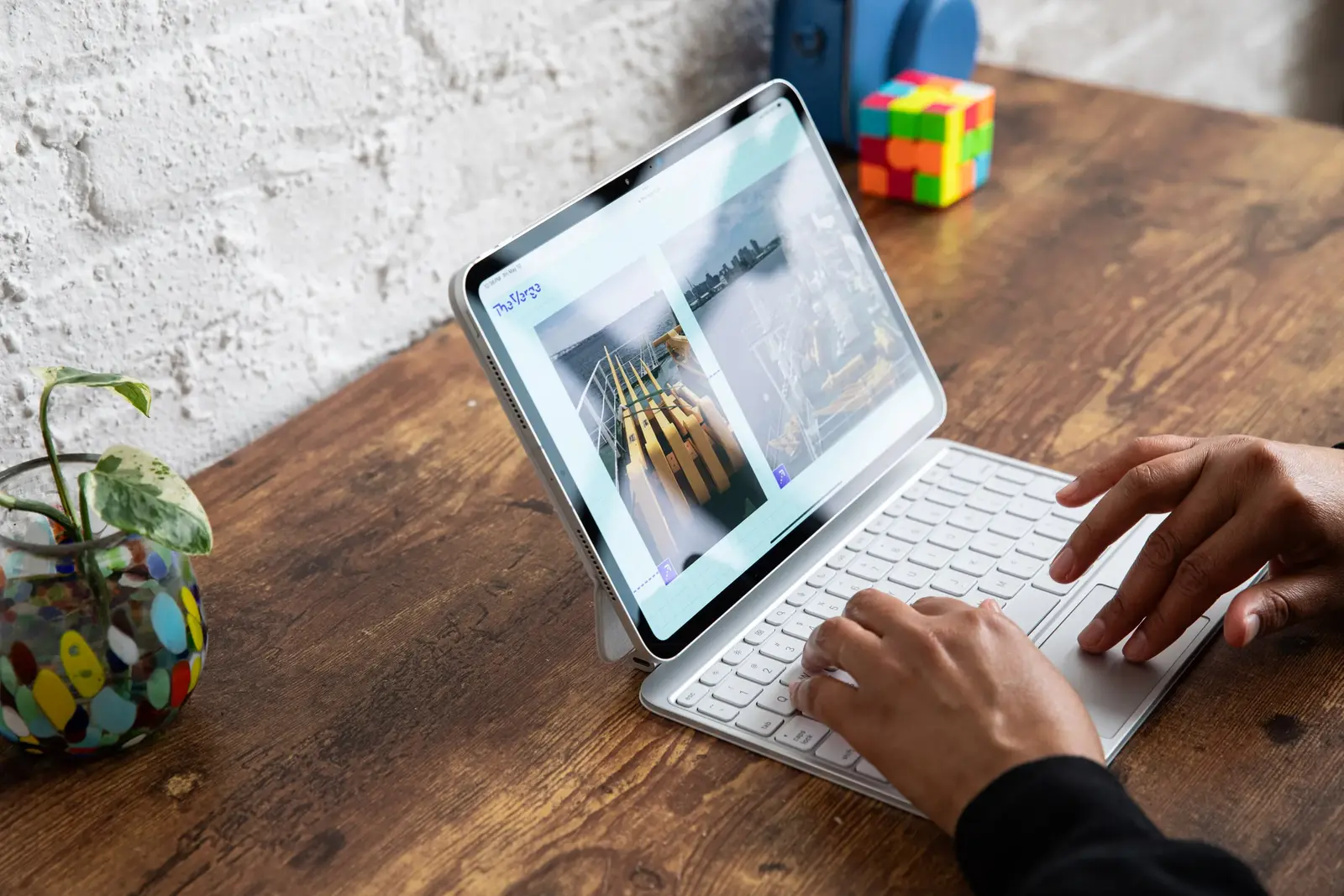 Apple Magic Keyboards for iPad Drop to Half Price at Woot
 Microsoft Provides Fix for Broken Exchange Online Apps
 Security Breach at AI Aggregator Exposes 18 Million Files and Private Chats
The main upgrades focus on voice control and presence detection. The Streamer 2.0 will feature built‑in microphones, allowing users to issue voice commands directly to the device without a separate remote or external speaker. In addition, the player will incorporate presence‑sensing technology, enabling it to detect when someone is near the TV and adjust playback or notifications accordingly. The new remote will also receive a redesign, with a more ergonomic shape and a dedicated „home” button that integrates with the updated software.
New Remote Design: Is It Worth the Upgrade?
By embedding microphones, Google aims to make the Streamer a true hub for smart‑home voice assistants. Users can say, Hey Google, play the latest episode of The Crown , and the device will respond immediately, bypassing the need for a smartphone or external speaker. This mirrors the functionality found in Google’s Nest speakers and smart displays, but now it’s built into a dedicated streaming box. The presence‑sensing feature will allow the Streamer to pause or lower volume when no one is watching, conserving energy and reducing noise pollution.
Industry analysts say the move could strengthen Google’s position against competitors like Roku and Amazon Fire TV, which rely heavily on external voice assistants. With built‑in microphones, the Streamer can offer a more seamless, hands‑free experience that feels native to the device.
What Does This Mean for Consumers?
The redesigned remote promises a slimmer profile and a clearer button layout. One of the key changes is a larger „home” button that doubles as a voice‑assistant trigger, similar to the Google Home button on Android phones. The remote will also feature a dedicated „power” button that can be pressed once to turn the device on or off, rather than requiring a long press. Early prototypes suggest the remote will be lighter and more comfortable for prolonged use.
Developers anticipate that the new remote will support the same connectivity standards as the current model, including Bluetooth Low Energy and Wi‑Fi. It will also be compatible with existing Google Assistant routines, allowing users to create custom voice commands that involve the Streamer and other smart‑home devices.
# Will the new Streamer support all the same streaming services as the current
The inclusion of microphones and presence detection signals Google’s intent to make the Streamer a central hub for home entertainment. Users will no longer need to rely on separate voice assistants or smart displays to control their streaming experience. The slimmer design also means the device can fit into more living‑room layouts, potentially appealing to smaller apartments.
# How will the presence‑sensing feature work in practice?
However, privacy concerns remain. Embedded microphones raise questions about data collection and how voice recordings are processed. Google has stated that voice data will be processed locally whenever possible, but consumers will need to review the privacy settings carefully.
Yes. The next‑generation device will retain compatibility with major services such as Netflix, Disney+, Hulu, and YouTube, and it will run the same Google TV operating system.
# Are there any plans to add additional sensors or cameras to the Streamer?
The device will use sensors to detect motion or proximity. If no one is near the TV, it can automatically pause or lower the volume, then resume when someone returns.
No current reports indicate cameras or additional sensors beyond microphones and presence detection. The focus remains on voice control and energy‑efficient operation.
Comments
Leave a comment