Targeted Groups and Legal Justifications
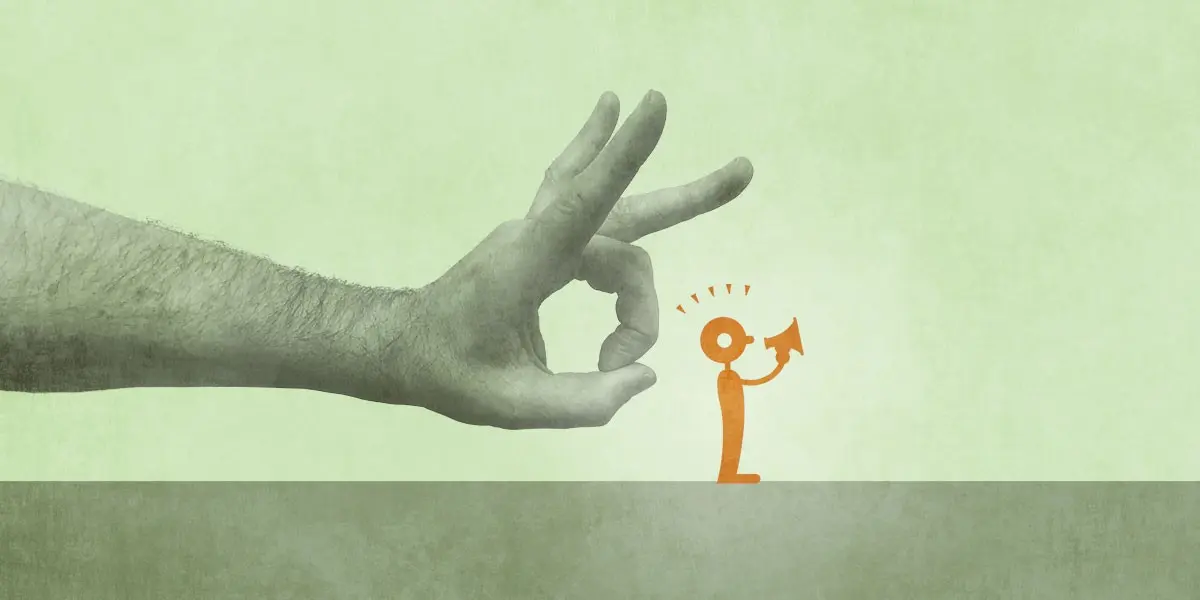
A wave of court-ordered internet bans has silenced dozens of Turkish feminist and LGBTQ+ organizations, as well as student and media groups, since mid‑September. The measures cut off access to websites and social media accounts, and more than 60 members of these groups have been detained. The crackdown has drawn sharp criticism from the Electronic Frontier Foundation and other human rights advocates.
Latest news
 Smart TVs frequently lose their Wi-Fi connection, leaving viewers staring at a spinning loading icon
 Why Ignoring Car Software Updates Is Risky
 Apple's foldable iPhone Duo introduces dual-display multitasking capabilities
 FCC Weighs Reciprocal Limits on Foreign Satellite Firms
The Turkish judiciary, acting under a state‑led campaign against perceived dissent, has targeted organizations that champion gender equality and sexual‑orientation rights. The bans were enacted through a series of court rulings that declared the groups’ online activities illegal. In addition to website closures, authorities have seized social media accounts, preventing activists from communicating with supporters or disseminating information.
How the Digital Suppression Affects Lives
The organizations affected range from local NGOs to international solidarity networks. They have historically organized protests, educational workshops, and legal aid for marginalized communities. The courts’ justifications cite „national security” and „public order” concerns, yet no concrete evidence has been presented linking these groups to violent or subversive actions. Human rights experts argue that the measures violate fundamental freedoms of expression and association, as enshrined in Turkey’s constitution and international treaties.
Activists report that the bans have disrupted coordination with international partners, hampered fundraising, and isolated communities that rely on digital platforms for support. Many members have faced intimidation, surveillance, and legal harassment. The crackdown coincides with a broader pattern of restrictive legislation aimed at curbing civil society’s influence in Turkey.
Will the Crackdown End or Expand?
The immediate impact is a loss of voice for those who already face marginalization. Without online channels, activists cannot share personal stories, mobilize supporters, or document abuses. The restrictions also hinder access to vital resources such as legal advice, mental‑health support, and safe spaces. Families of detained members report fear and uncertainty, as the legal process offers little transparency.
International observers note that such digital suppression sets a dangerous precedent. Other countries might emulate these tactics, using court orders to silence dissent under the guise of national security. The EFF’s condemnation highlights the broader threat to global internet freedom, warning that similar legal frameworks could erode rights worldwide.
Frequently Asked Questions
The question remains whether the Turkish government will lift the bans or extend them to other civil‑society groups. Analysts suggest that the current momentum could lead to further restrictions, especially if the administration seeks to consolidate control over public discourse. The international community’s response—through diplomatic pressure, sanctions, or public advocacy—may influence the trajectory of these policies.
The crackdown’s long‑term consequences could include a chilling effect on activism, reduced civic participation, and a weakened democratic culture in Turkey. If the bans persist, marginalized voices may be forced into clandestine operations, increasing the risk of violent confrontations. Conversely, sustained international pressure could compel a rollback of these measures, restoring basic freedoms to affected communities.
Comments
Leave a comment