
Why the Pace Has Stalled
Meta CEO Mark Zuckerberg addressed employees on Thursday, acknowledging that the company’s AI agents have not advanced as quickly as anticipated. The remarks came four months after a major reorganization aimed at accelerating AI development. Zuckerberg’s candid assessment highlights a gap between Meta’s ambitious timeline and the current pace of progress.
Latest news
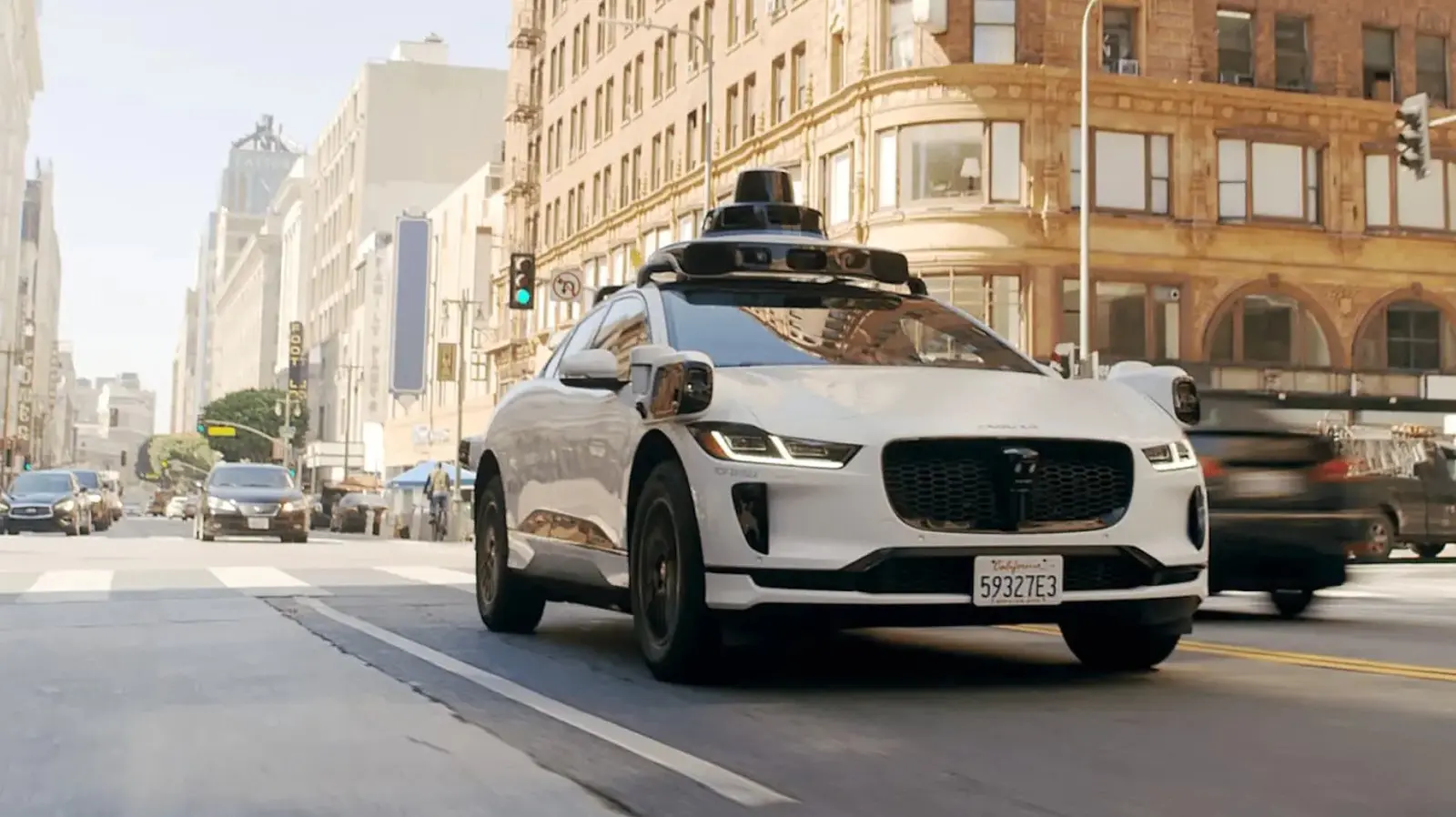 California Imposes Penalties for Robotaxis Obstructing Emergency Services
 Meta’s AI Agent Muse Builds Comprehensive Dossiers on Close Contacts
 The State of Cybersecurity in 2026: Key Segments, Insights, and Innovations
 Why the Rumored iPhone Duo Excites Android Foldable Fans
The slowdown follows a restructuring in late 2023 that consolidated Meta’s AI research teams under a single leadership umbrella. The move was intended to streamline decision‑making and boost productivity. However, internal metrics show that the rate of breakthroughs has remained flat since the change. Zuckerberg noted that „the trajectory of the agentic development over at least the last four months hasn’t really accelerated in the way that we expected.” He added that the company remains committed to its long‑term vision of building sophisticated AI assistants for its platforms.
Several factors contribute to the slower momentum. First, the integration of disparate research groups has proven more complex than anticipated, creating bottlenecks in collaboration. Second, the competitive landscape has intensified, with rivals releasing consumer‑ready AI features that set higher expectations. Meta’s focus on building „agentic” AI—systems that can act autonomously across tasks—requires breakthroughs in safety, alignment, and scalability, all of which demand extensive testing. Finally, resource allocation has shifted toward immediate product improvements, diverting talent from pure research. These challenges have forced Meta to recalibrate its milestones while maintaining confidence in its overarching strategy.
Can Meta Still Lead the AI Agent Race?
Zuckerberg’s remarks raise questions about Meta’s ability to outpace competitors like Google and OpenAI. The company’s deep expertise in large‑scale data processing and its massive user base provide unique advantages. Yet, the current lag suggests that catching up may require additional hiring, strategic partnerships, or new funding models. Industry analysts note that Meta’s long‑term success hinges on delivering tangible agent capabilities that enhance user experiences across Facebook, Instagram, and the upcoming Threads platform. If Meta can translate research into reliable products, it could still secure a leadership role despite the present slowdown.
The next few quarters will be critical for Meta’s AI agenda. The firm plans to release incremental updates that showcase agentic functions in controlled environments. Success will depend on overcoming technical hurdles and demonstrating real‑world value to users. While the current pace falls short of internal expectations, Zuckerberg’s transparency signals a willingness to adjust tactics and invest where needed. Stakeholders will watch closely to see whether Meta can regain momentum and fulfill its vision of AI‑driven personal assistants.
Frequently Asked Questions
What specific AI agents is Meta developing? Meta is working on autonomous assistants that can manage tasks such as content creation, scheduling, and personalized recommendations across its social platforms.
How does the recent restructuring affect Meta’s AI timeline? The reorganization aimed to speed up development, but integration challenges have delayed progress, prompting a reassessment of short‑term milestones.
Will the slowdown impact Meta’s competitive position? Potentially, as rivals advance faster. However, Meta’s extensive data resources and user base could offset delays if the company delivers compelling agent features soon.
Comments
Leave a comment