
Teacher‑Student Pairing Redefines Enterprise AI Ops
Meta announced the launch of Muse Glimmer on Monday, offering a 30‑billion‑parameter model that is fully open‑weight and released under the Apache 2.0 license. The new model is a distilled version of the earlier Muse Spark system, positioning it as a lighter, more deployable alternative for enterprise AI workloads.
Latest news
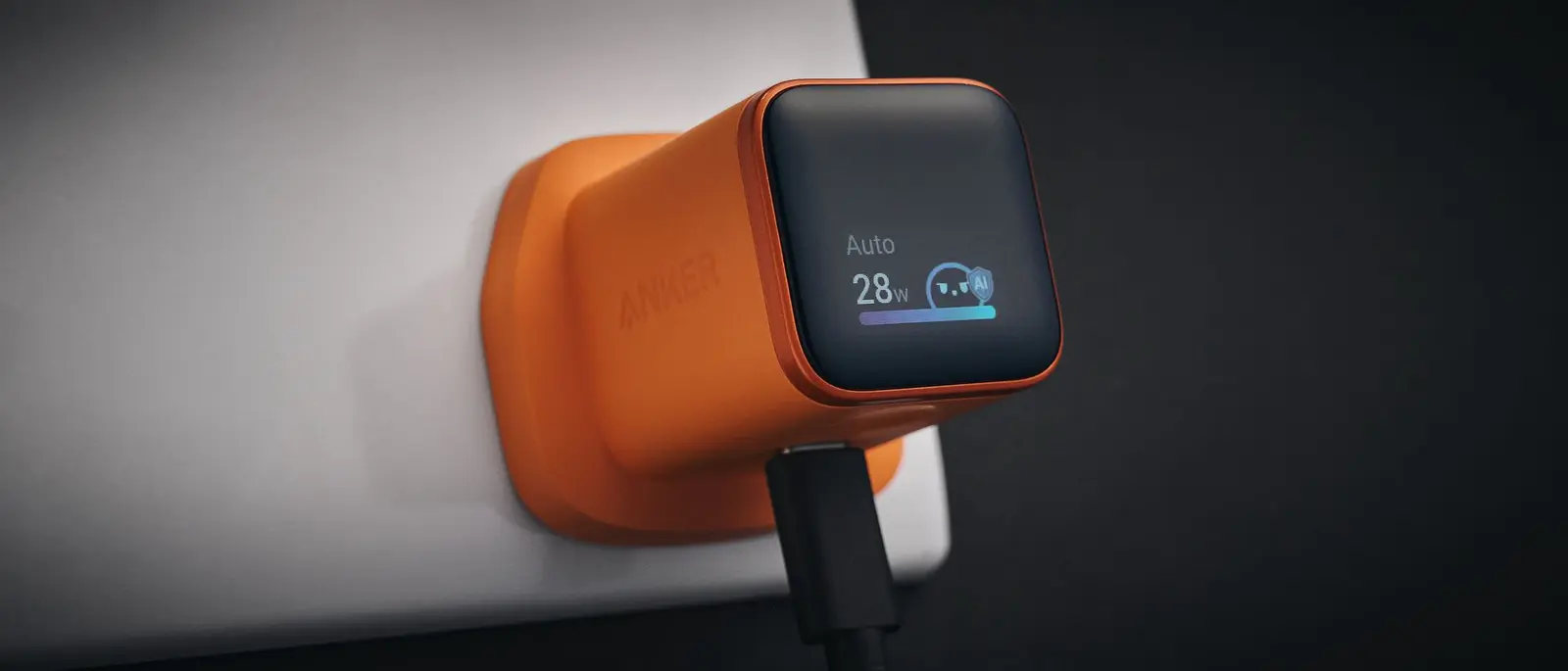 Anker Unveils Playful 45W Charger With Animated Face Display
 Google Docs Web Version Still Missing Native Dark Mode
 Anthropic-Linked Vulnerability Exploited From China, Targets US and Japan
 Text‑Based AI Agents: Your New Digital Assistants
The release follows a brief period of industry debate about the relevance of model distillation. Less than two weeks earlier, OpenAI chief Sam Altman remarked that distillation did not rank among his top priorities. Meta’s decision to ship both a teacher model (Muse Spark) and its distilled student (Muse Glimmer) together suggests a strategic shift toward simplifying model management for corporate users. By providing an open‑weight version, Meta aims to reduce barriers to customization and integration across diverse IT environments.
Meta’s approach pairs a large, high‑capacity teacher model with a smaller, more efficient student model. The teacher, Muse Spark, retains the full 30‑billion‑parameter architecture, while the student, Muse Glimmer, inherits core capabilities through a distillation process that trims computational overhead. Enterprise teams can now select the student model for routine inference tasks, reserving the teacher for occasional fine‑tuning or research‑grade queries. This dual‑model strategy promises to lower hardware costs and streamline version control, as both models share a common code base and licensing terms. A Meta spokesperson noted, „Providing a ready‑made teacher‑student pair lets companies avoid the complexity of building their own distillation pipelines, accelerating time‑to‑value.”
Why Is Distillation Suddenly a Priority for Companies?
Distillation compresses a large model’s knowledge into a smaller footprint, preserving accuracy while cutting latency and energy consumption. For organizations handling sensitive data, an open‑weight, Apache‑licensed model offers transparency and the ability to audit the underlying architecture. The move also aligns with growing regulatory pressure to keep AI models explainable and controllable. By delivering Muse Glimmer alongside its source teacher, Meta addresses concerns about model drift and version fragmentation, giving enterprises a single, auditable lineage for their AI assets. Analysts predict that this model‑centric packaging could become a standard offering as more firms seek to balance performance with operational efficiency.
The launch of Muse Glimmer signals a broader industry trend toward democratizing advanced AI while easing the burden of model stewardship. As more companies adopt the teacher‑student framework, the market may see a surge in open‑weight releases, fostering competition and innovation. Meta’s open licensing could inspire rivals to follow suit, potentially reshaping the economics of AI deployment across sectors.
Frequently Asked Questions
What distinguishes Muse Glimmer from its predecessor Muse Spark? Muse Glimmer is a distilled, 30‑billion‑parameter model that retains core capabilities of Muse Spark but runs with lower latency and reduced hardware requirements.
Why did Meta choose the Apache 2.0 license for this release? The Apache 2.0 license permits unrestricted use, modification, and distribution, encouraging enterprises to adapt the model without legal hurdles.
How can companies integrate Muse Glimmer into existing AI pipelines? Because the model is open‑weight, developers can download the weights, embed them in their preferred frameworks, and fine‑tune or deploy them alongside existing services.
Comments
Leave a comment