Can AI Infrastructure Be Decarbonized Fast Enough?
Meta has begun re-evaluating its 2030 net-zero emissions goal. The company disclosed this shift in its latest sustainability report. The decision follows a record jump in greenhouse gas output driven by rapid AI data center expansion.
Latest news
 Smart TVs frequently lose their Wi-Fi connection, leaving viewers staring at a spinning loading icon
 Why Ignoring Car Software Updates Is Risky
 Apple's foldable iPhone Duo introduces dual-display multitasking capabilities
 FCC Weighs Reciprocal Limits on Foreign Satellite Firms
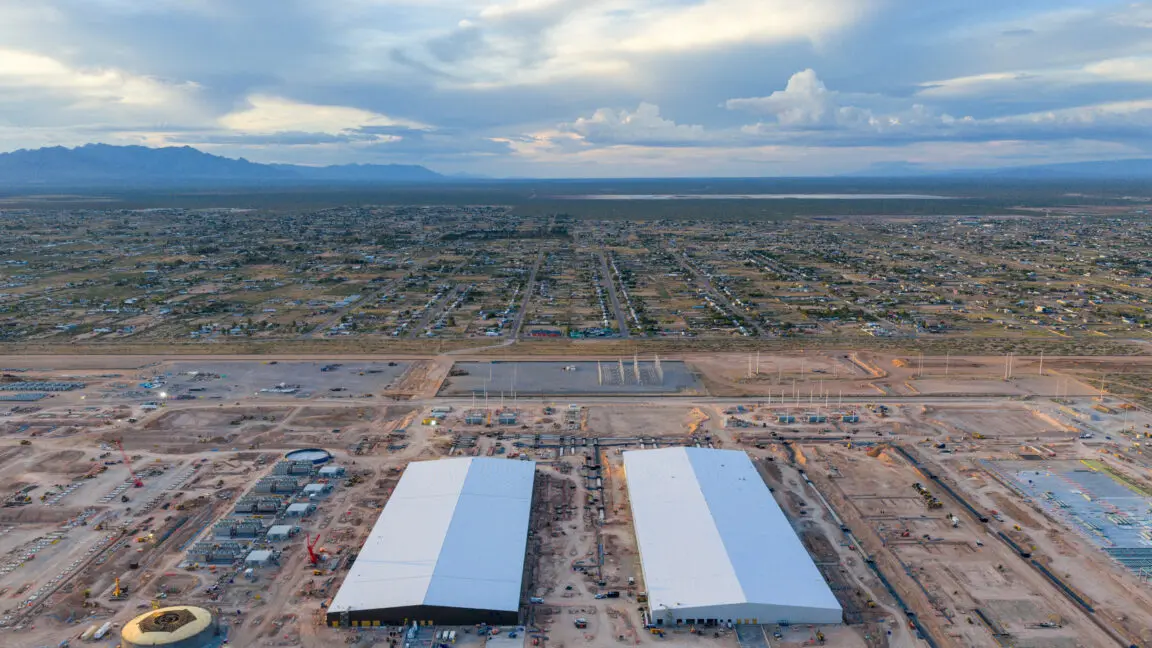
The pressure stems from the massive energy demands of training and running large language models. Meta’s emissions grew faster than any other major tech firm. This surge challenges the feasibility of the original timeline.
What Does This Mean for Big Tech Climate Pledges?
Meta’s data center buildout now accounts for a significant share of total corporate emissions. The company is studying whether its 2030 target remains realistic. Executives are weighing the trade-off between AI growth and climate commitments.
Other tech giants face similar pressures as they race to deploy AI infrastructure. Meta’s move may signal a broader industry recalibration. Companies that pledged net-zero targets may find themselves adjusting timelines or expanding renewable energy procurement.
Is Meta abandoning its 2030 goal? No. Meta is re-evaluating, not canceling. The company is assessing whether the original target is still achievable given current AI-driven emissions growth.
Frequently Asked Questions
Why did Meta’s emissions rise so sharply? The increase is driven by the energy-intensive workloads of AI model training and inference. Data centers require substantial power, pushing total emissions to record levels.
Will other tech companies follow Meta’s lead? It is plausible. As AI infrastructure scales across the industry, more firms may need to revisit their climate timelines. Meta’s report sets a precedent for transparent reassessment.
Comments
Leave a comment