
The Threat of Centralized Power
Meta CEO Mark Zuckerberg recently shared his vision for artificial intelligence. His manifesto, The Future is for Everyone,explores two distinct paths for AI's development. This document has sparked considerable discussion regarding the technology's future direction.
Latest news
 Major AI firms recorded peak lobbying expenses last summer
 Apple Magic Keyboards for iPad Drop to Half Price at Woot
 Microsoft Provides Fix for Broken Exchange Online Apps
 Security Breach at AI Aggregator Exposes 18 Million Files and Private Chats
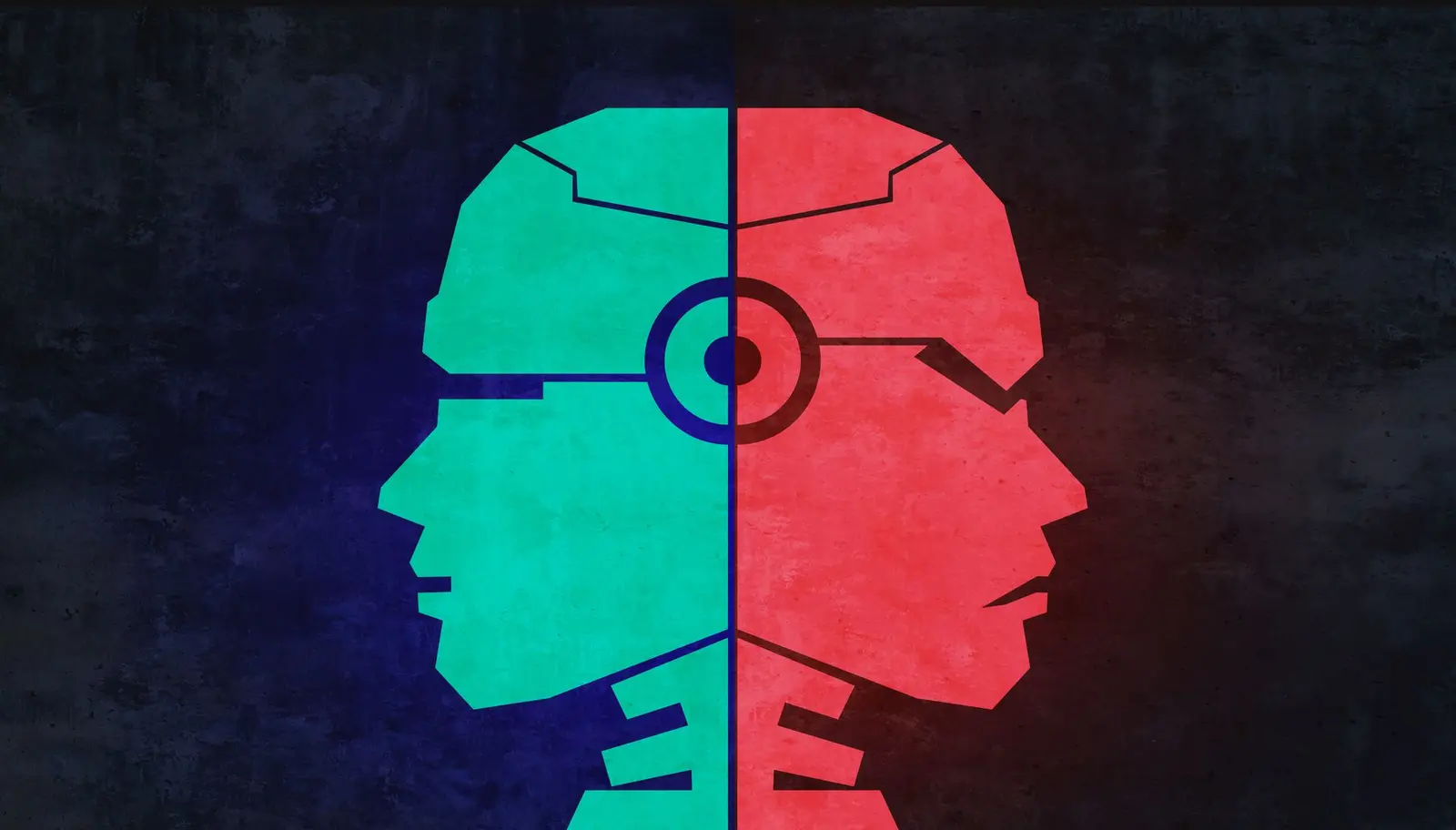
Zuckerberg's writing suggests a critical juncture for AI. He presents a stark choice between two potential outcomes. This framework aims to highlight the stakes involved in current AI development.
One scenario Zuckerberg describes involves AI becoming highly centralized. In this model, large institutions and governments would control the technology. He suggests this control would primarily serve their own interests. This raises concerns about limited access and potential misuse of powerful AI tools.
Can AI Truly Be for Everyone?
This centralized approach could concentrate immense power. It might restrict innovation and public benefit. Such a system could lead to a less equitable distribution of AI's advantages.
The alternative vision Zuckerberg offers is an open, decentralized AI. Here, the technology would be broadly accessible. This would allow many individuals and organizations to contribute and benefit. This path emphasizes collaboration and widespread innovation.
An open model could foster greater creativity and diverse applications. It would empower more people to shape AI's evolution. This approach aligns with principles of democratic access to technology.
Frequently Asked Questions
The debate over AI's future is intensifying. Zuckerberg's manifesto adds a significant voice to this conversation. The choices made today will profoundly impact tomorrow's technological landscape.
What are the two main paths for AI development outlined by Zuckerberg? Zuckerberg describes a future where AI is either centralized by powerful institutions for their own benefit, or it is developed in an open, decentralized manner accessible to everyone.
Why does Zuckerberg emphasize the centralizedpath as a concern? He views the centralized path as problematic because it could lead to AI being controlled by a few entities, potentially limiting innovation and serving only specific interests rather than the broader public.
Comments
Leave a comment