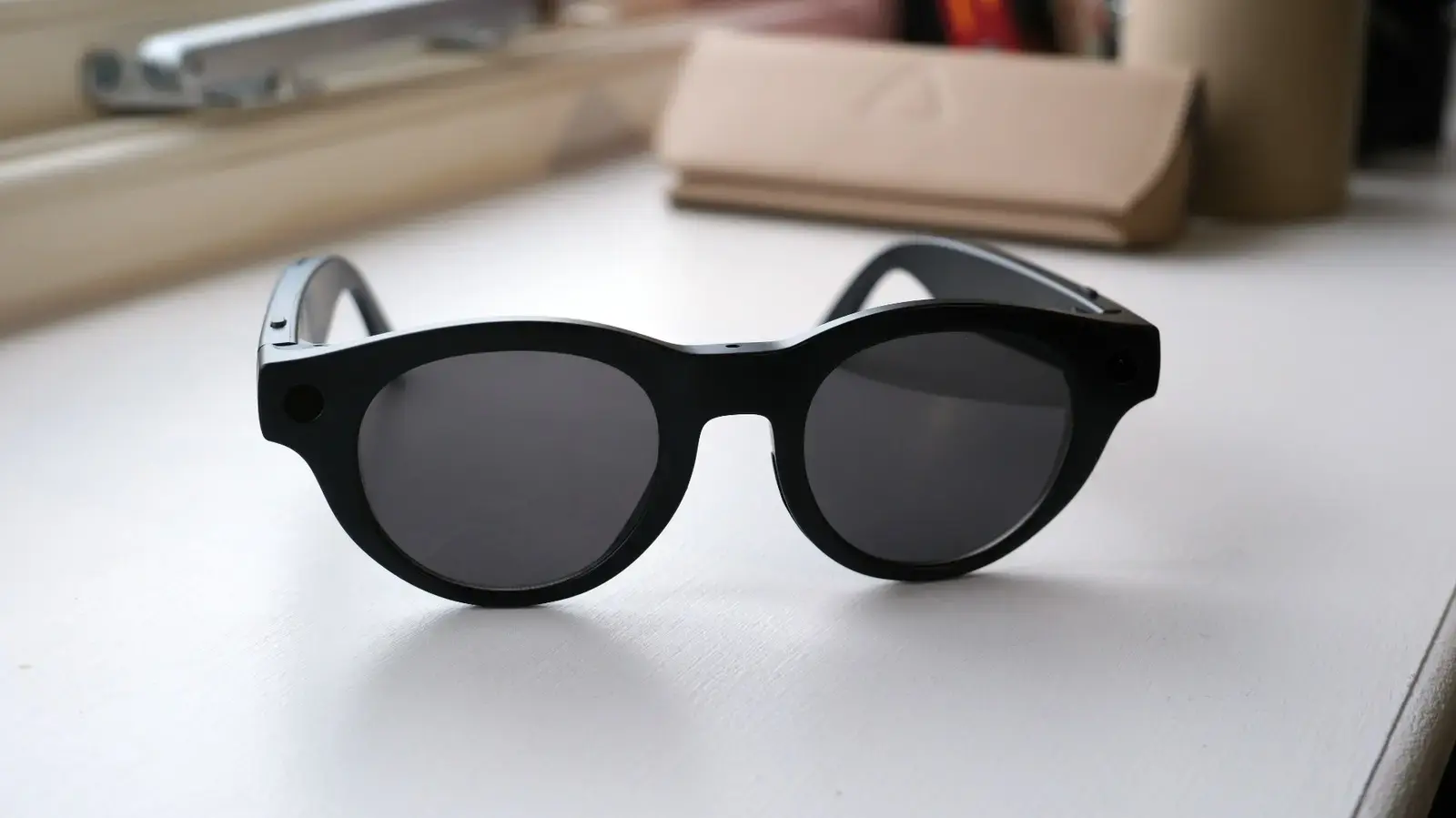
HTC emphasizes the glasses' utility for hands-free workflows
HTC has launched its Vive Eagle smart glasses, positioning them as a premium alternative to Meta's offerings in the augmented reality space. Released in September 2026, the device targets professionals and tech enthusiasts seeking lightweight AR solutions with intuitive controls. Despite HTC's efforts to compete on features rather than cost, the Vive Eagle struggles to justify its high price point in a market where value and performance are increasingly scrutinized. The Vive Eagle delivers on comfort and usability, weighing in at just 65 grams and featuring responsive touch controls on the temples. Users report that the interface is easy to navigate for basic tasks like notifications, navigation, and light productivity apps. However, the device falls short in key areas such as display clarity, battery life, and software ecosystem depth.
Latest news
 Minisforum Unveils High‑End Ryzen AI Max+ PRO 495 Workstation
 NASA Eyes Revival of SR‑71 Blackbird
 My Home Wi‑Fi Was Crowded by 14 Neighbors—A Free App Helped Me Find a Clear Channel
 YouTube is tightening rules for low-effort Shorts
HTC emphasizes the glasses' utility for hands-free workflows, but real-world testing reveals limitations in outdoor visibility and sustained use beyond two hours. How Does the Vive Eagle Compare to Competitors? While HTC markets the Vive Eagle as a credible alternative to Meta's Ray-Ban Stories and upcoming AR glasses, direct comparisons show it lags in both innovation and affordability. Meta's offerings benefit from deeper integration with social platforms and a more mature app library, whereas HTC relies on a narrower set of enterprise-focused applications. The Vive Eagle's 7.4/10 rating reflects solid build quality but highlights concerns about long-term viability.
Critics note that without a compelling price advantage or unique software edge
Critics note that without a compelling price advantage or unique software edge, the glasses fail to stand out in a crowded field. Can HTC Sustain Its AR Ambitions? The Vive Eagle represents HTC's continued investment in wearable technology, yet its lukewarm reception raises questions about the company's strategy in the consumer AR market. HTC may need to reassess whether competing on premium pricing alone is sustainable without breakthroughs in display technology or strategic partnerships. For now, the Vive Eagle serves as a niche option for users prioritizing comfort and simplicity over cutting-edge features, but its broader appeal remains uncertain. Frequently Asked Questions What are the main strengths of the HTC Vive Eagle? The Vive Eagle is praised for its lightweight design at 65 grams and intuitive touch controls, making it comfortable for extended wear and easy to operate for basic AR functions like checking messages or following directions.
Why does the Vive Eagle struggle to impress despite its features? Although well-built, the Vive Eagle falls short in display quality, battery life, and software support compared to rivals, and its high price makes it difficult to recommend when better value options exist elsewhere.
Comments
Leave a comment