Why Human‑Made Images Matter to the EFF Mission
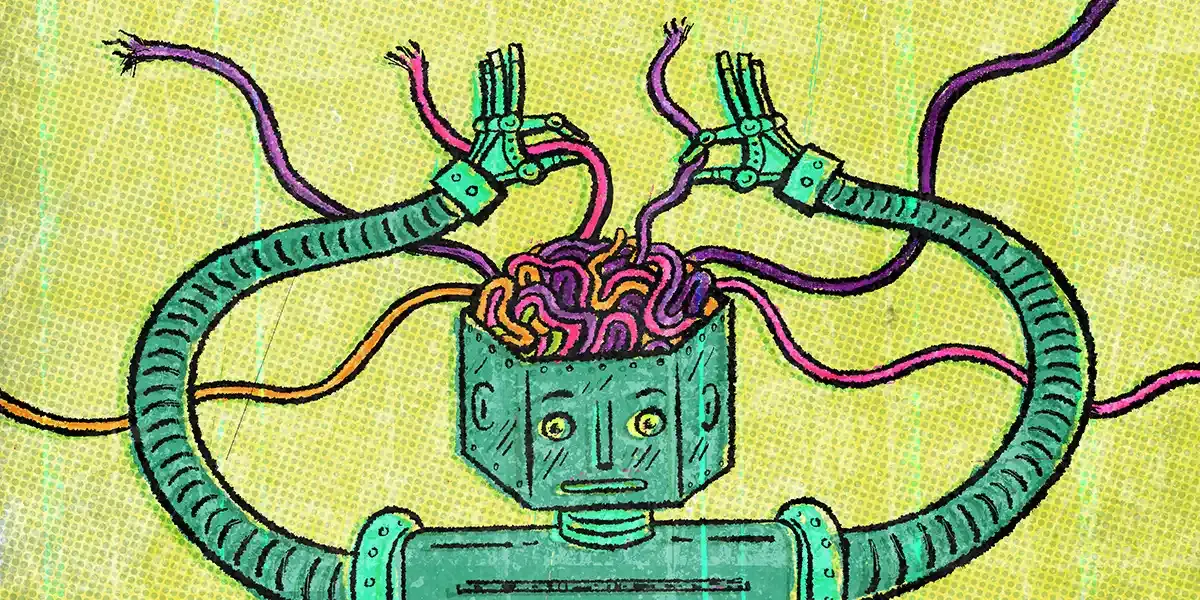
The Electronic Frontier Foundation (EFF) has responded to recent inquiries from supporters about the origin of images appearing on its blog, donation pages, and shop items. The organization clarified that every visual asset is produced by human artists, rejecting the use of automated image‑generation tools. This statement was released in early August 2026 to address growing concerns over AI‑created content.
Latest news
 Anker Unveils Playful 45W Charger With Animated Face Display
 Google Docs Web Version Still Missing Native Dark Mode
 Anthropic-Linked Vulnerability Exploited From China, Targets US and Japan
 Text‑Based AI Agents: Your New Digital Assistants
The clarification follows a surge of questions on social media and email, where donors wondered whether the foundation’s visuals might be the product of artificial intelligence. EFF’s communications team explained that its internal policy mandates that all graphics be crafted manually, ensuring authenticity and alignment with the nonprofit’s values. The decision reflects a broader commitment to transparency and to avoiding the ethical pitfalls associated with AI‑generated media.
EFF believes that human‑created artwork better represents the organization’s dedication to digital rights and privacy. Staff members collaborate with freelance illustrators and in‑house designers to produce each image, from blog headers to product mock‑ups. This process allows for nuanced storytelling that automated tools cannot replicate. „Our visual language is part of our advocacy,” said a senior communications officer, „and we want it to reflect the care we put into every campaign.” By maintaining a fully human workflow, EFF also sidesteps potential copyright disputes that can arise from AI‑trained datasets.
Are AI Tools Used for EFF Images?
No. The foundation has a strict rule that bans the use of AI image generators for any public‑facing material. This policy was adopted after internal reviews highlighted the risk of unintentionally incorporating copyrighted or biased content. The team conducts regular audits to verify that each graphic originates from a human creator. When new staff join, they receive training on the policy and are required to document the source of every visual element they produce. This vigilance helps preserve the organization’s credibility and protects donor trust.
Looking ahead, EFF plans to continue its human‑centric approach while monitoring emerging technologies. The organization may explore AI for internal research or data analysis, but it will keep the public visual identity firmly in the hands of artists. By doing so, EFF hopes to set an industry standard for ethical image use and reinforce its reputation as a guardian of digital freedoms.
Frequently Asked Questions
What prompted EFF to issue this clarification? Supporters raised concerns about AI‑generated images, prompting the organization to reaffirm its commitment to human‑crafted visuals and address potential misconceptions.
Will EFF ever consider AI for any part of its visual work? At present, the policy excludes AI from any public‑facing graphics. Future use would be limited to internal, non‑public tasks after thorough ethical review.
How does EFF verify that images are human‑made? The communications team maintains detailed records of each artwork’s creator and conducts periodic audits to ensure compliance with the no‑AI rule.
Comments
Leave a comment