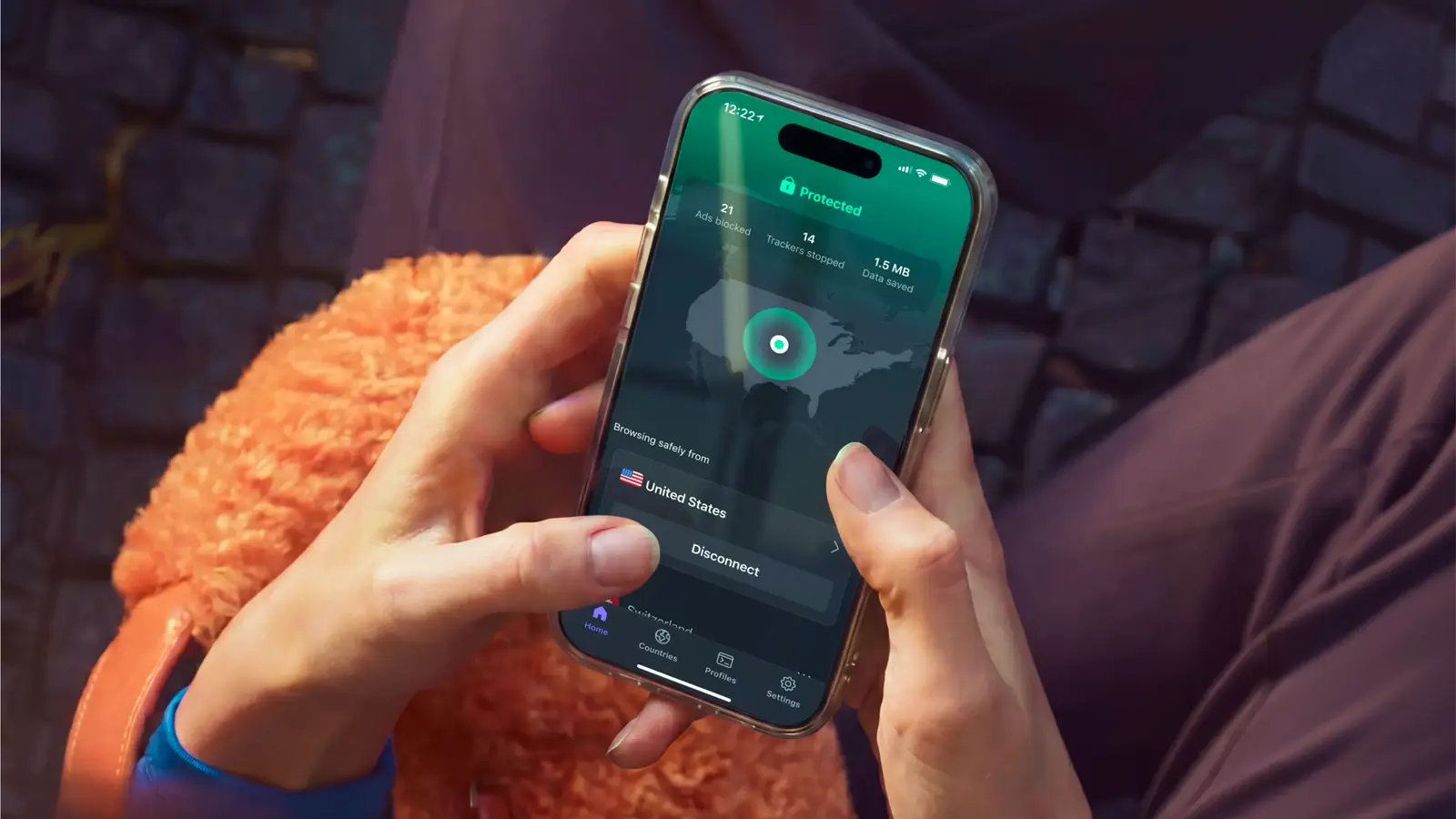
AI Integration Without Compromising Privacy
Proton, the privacy‑focused software company, announced on X that it will no longer conduct re‑interviews with employees regarding their use of artificial intelligence. The decision, made after an internal memo surfaced, came alongside a public pledge that AI integration will never compromise the company’s security standards. The company also released a detailed AI manifesto on its blog, outlining its approach to responsible AI development.
Latest news
 Smart TVs frequently lose their Wi-Fi connection, leaving viewers staring at a spinning loading icon
 Why Ignoring Car Software Updates Is Risky
 Apple's foldable iPhone Duo introduces dual-display multitasking capabilities
 FCC Weighs Reciprocal Limits on Foreign Satellite Firms
The memo, leaked in early March, revealed that Proton had considered re‑examining staff practices to ensure compliance with its privacy policies. In response, the company clarified that it would not pursue further interviews, citing trust in its existing oversight mechanisms. Proton’s CTO, who authored the manifesto, emphasized that AI tools are intended to enhance product security, not undermine it. The company’s statement on X reiterated its commitment to protecting user data while exploring AI’s potential to strengthen encryption and threat detection.
Will AI Replace Human Oversight?
Proton’s manifesto outlines a framework for responsible AI use, focusing on transparency, data minimization, and rigorous testing. The company asserts that any AI system deployed will undergo strict security audits before integration. It also plans to keep all AI training data strictly internal, avoiding external datasets that could introduce privacy risks. Proton’s CTO noted that this strategy aligns with the company’s core mission of safeguarding user privacy while leveraging AI to improve product resilience.
Frequently Asked Questions
The question of whether AI can fully replace human judgment in security matters remains. Proton’s leadership acknowledges that AI can augment but not replace human expertise. They plan to maintain a hybrid model, where AI tools flag potential vulnerabilities and human analysts make final decisions. This approach mirrors Proton’s broader philosophy of combining advanced technology with human oversight to maintain trust. The company also announced plans to publish quarterly reports on AI performance and its impact on security, ensuring transparency for its user base.
The reversal of the re‑interview policy signals Proton’s confidence in its internal controls and a shift toward a more collaborative culture. By openly sharing its AI strategy, Proton aims to reassure users that its privacy commitments remain intact. The company’s move may influence other privacy‑centric firms to adopt similar transparency practices, potentially setting a new industry standard for responsible AI deployment.
Comments
Leave a comment