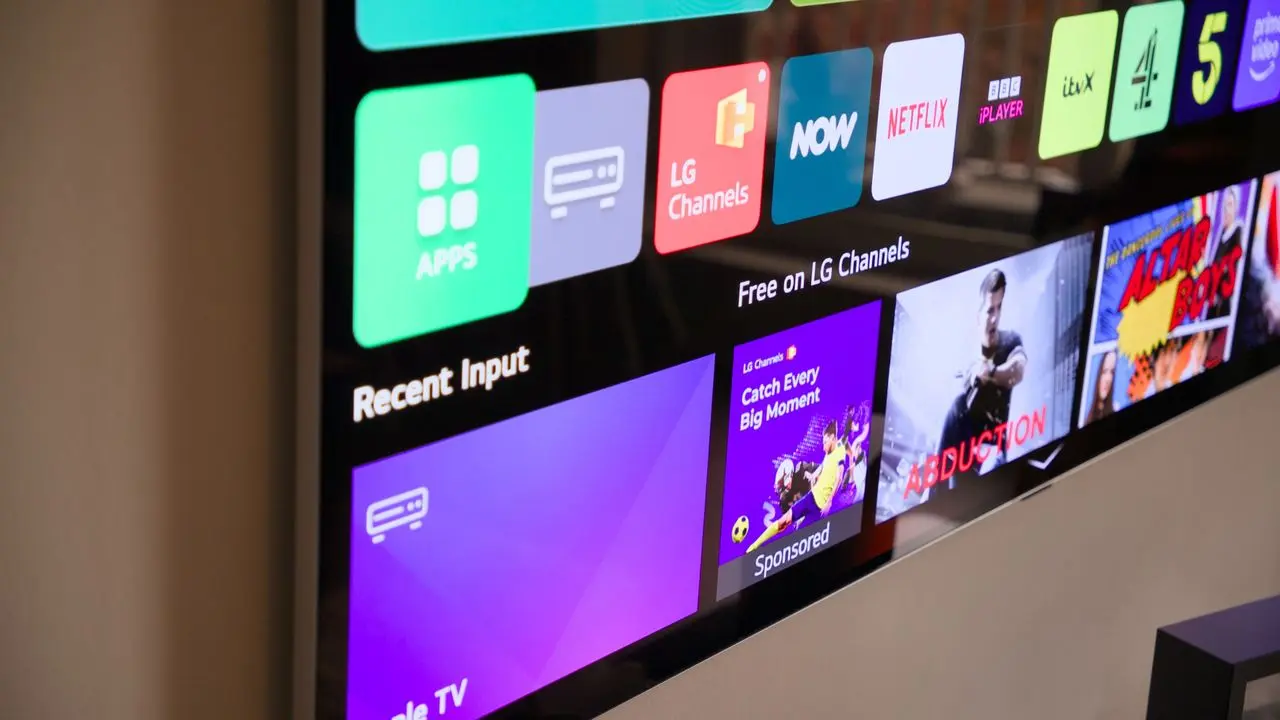
Network Scanning vs. Audio Recording
LG Electronics has firmly rejected widespread allegations that its smart televisions engage in covert surveillance. The company issued a formal statement declaring that popular theories about constant data logging and audio recording during standby mode are incorrect. This response addresses specific findings from a recent online security investigation. LG confirmed one aspect of the report, acknowledging that its devices do scan local networks to identify other connected hardware. However, the manufacturer emphasized that this behavior is standard practice for modern media devices and does not imply malicious intent or hidden data collection beyond established norms.
Latest news
 Minisforum Unveils High‑End Ryzen AI Max+ PRO 495 Workstation
 NASA Eyes Revival of SR‑71 Blackbird
 My Home Wi‑Fi Was Crowded by 14 Neighbors—A Free App Helped Me Find a Clear Channel
 YouTube is tightening rules for low-effort Shorts
The denial comes in response to a detailed study released by Gamers Nexus. That investigation suggested that LG televisions might be uploading user activity data continuously. Critics argued that the devices recorded sound even when powered off, raising fears of a digital listening post in living rooms. LG pushed back against these specific points, labeling the concerns as „not true.”While the company did not dispute the network scanning capability, it framed this feature as a necessary function for device discovery within a home network. This distinction is crucial for understanding how smart home ecosystems communicate without explicit user intervention.
Does LG Actually Spy on Viewers?
The core of the controversy lies in the difference between passive network discovery and active audio capture. LG admitted that its TVs search for other devices on the same Wi-Fi or Ethernet connection. This process allows the television to find streaming services, gaming consoles, or other smart speakers automatically. It is a routine handshake protocol used by almost all smart displays. However, the company insisted that this scanning does not equate to recording conversations. The claim that microphones remain active in standby mode was specifically refuted. LG stated that audio processing only occurs when the device is fully powered on and in use. This clarification aims to separate legitimate connectivity features from the more alarming notion of always-on eavesdropping.
Despite the corporate denial, many consumers remain skeptical about the transparency of smart TV operations. The initial investigation highlighted potential vulnerabilities in how these devices handle background processes. LG’s response focuses on correcting the most dramatic claims, such as continuous uploading and standby recording. By conceding the network scanning point, the company validates part of the technical analysis while minimizing the perceived risk. Experts note that while scanning is normal, the volume of data exchanged during these checks can still raise privacy questions. The debate highlights a broader tension in the smart home market. Manufacturers want seamless integration, but users often feel their personal space is being monitored. LG’s stance suggests that current models operate within expected parameters, though future updates may require similar scrutiny.
Do LG TVs record audio in standby mode? No, LG has explicitly denied this claim. The company states that audio recording only happens when the television is actively powered on and in use. Standby mode does not trigger microphone activity according to their official statement.
Frequently Asked Questions
Is it normal for smart TVs to scan local networks? Yes, this is a standard feature for smart devices. Televisions scan local area networks to detect other compatible hardware like soundbars or game consoles. LG confirmed this behavior but clarified it is not a form of hidden surveillance.
Did LG confirm all parts of the recent investigation? No, LG only confirmed the network scanning aspect. The company strongly disputed the claims regarding constant data uploads and audio recording during standby, labeling those specific concerns as inaccurate.
Comments
Leave a comment