A Shift in Corporate Behavior
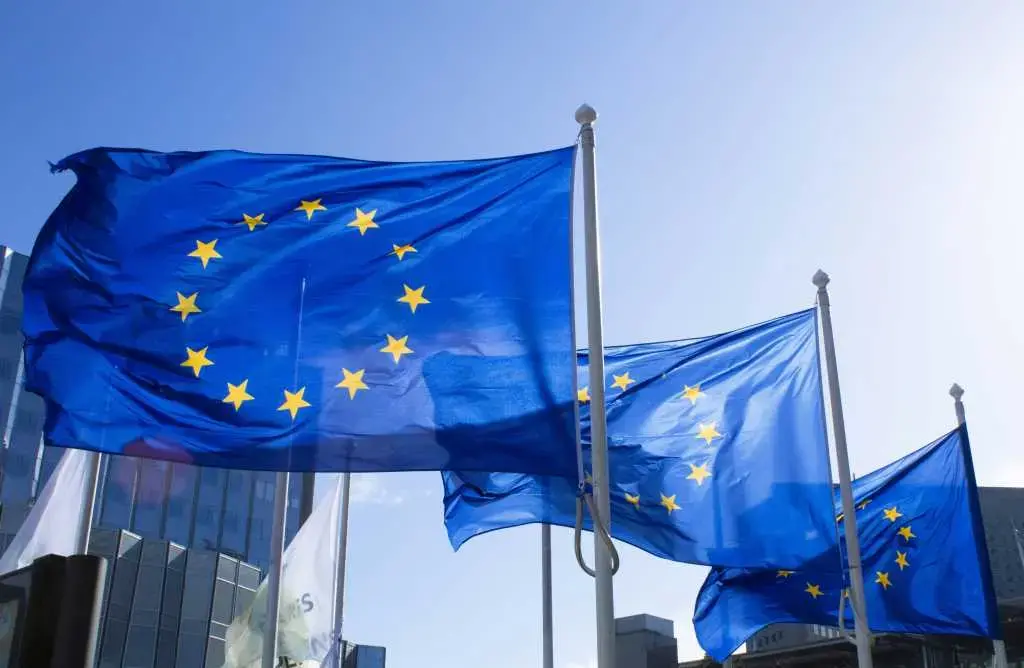
The European Union’s General Data Protection Regulation (GDPR) turned ten years old this May. Implemented on May 25, 2018, it fundamentally changed how companies handle the personal data of individuals. The law applies to all organizations operating within the EU, regardless of location. Its core goal was to give people more control.
Latest news
 Anker Unveils Playful 45W Charger With Animated Face Display
 Google Docs Web Version Still Missing Native Dark Mode
 Anthropic-Linked Vulnerability Exploited From China, Targets US and Japan
 Text‑Based AI Agents: Your New Digital Assistants
The GDPR aimed to modernize data protection laws. Previous rules, dating back to 1995, were considered outdated. They struggled to address the challenges of the digital age. The new regulation sought to simplify and strengthen individual rights regarding personal information. It established a single set of rules across all EU member states.
The GDPR forced businesses to rethink their data practices. Companies now require explicit consent before collecting and using personal data. Individuals gained the right to access, correct, and delete their information. These changes demanded significant investment in data security and compliance. Many organizations appointed Data Protection Officers (DPOs) to oversee these efforts.
Initially, there was widespread concern about the cost of compliance. However, many businesses found that improved data management also offered benefits. Better data quality and security reduced risks. It also fostered greater customer trust. The GDPR also introduced substantial fines for non-compliance, incentivizing adherence.
Has the GDPR Achieved Its Goals?
Measuring the GDPR’s success is complex. It’s difficult to directly attribute changes solely to the regulation. However, there's evidence of increased awareness about data privacy. More people are now aware of their rights. They are also more likely to question how companies use their information.
Data breach notifications have increased significantly. This is partly due to the GDPR’s reporting requirements. While this might seem alarming, it also means more breaches are being identified and addressed. It indicates greater transparency. The number of complaints related to data privacy has also risen, demonstrating increased citizen engagement.
The GDPR’s impact extends beyond the EU. Many countries have adopted similar data protection laws. These include California’s Consumer Privacy Act (CCPA) and Brazil’s Lei Geral de Proteção de Dados (LGPD). This demonstrates a global trend toward stronger data privacy regulations.
Frequently Asked Questions
The GDPR has undeniably reshaped the data landscape. It has empowered individuals and forced companies to prioritize data protection. While challenges remain, it has laid a foundation for a more privacy-conscious future. Continued enforcement and adaptation will be crucial to ensuring its long-term effectiveness.
What is „personal data” under GDPR? Personal data is any information relating to an identified or identifiable natural person. This includes names, addresses, email addresses, and online identifiers like IP addresses. It also covers sensitive information like health data and religious beliefs.
Can I request a company to delete my data? Yes, the GDPR grants individuals the „right to be forgotten.” You can request a company to erase your personal data under certain circumstances. This includes when the data is no longer necessary for its original purpose.
Does GDPR apply to small businesses? Yes, GDPR applies to all organizations, regardless of size. However, the obligations are proportionate to the size and nature of the business. Smaller businesses may have simplified compliance requirements.
Comments
Leave a comment