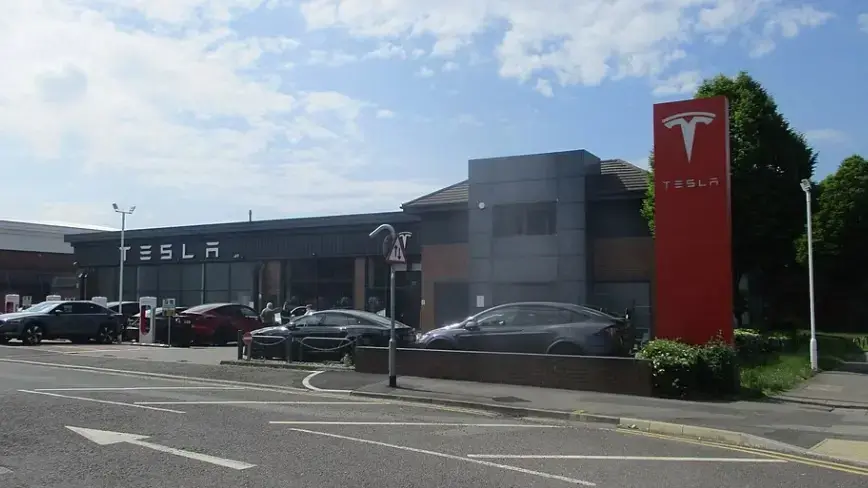
Was Safety Compromised by Staffing Levels?
A former Tesla manager is suing the company. He claims dangerous understaffing impacted Full Self-Driving (FSD) tests in Houston. Javier Medrano, a former fleet operations manager, filed a federal lawsuit. He alleges a severe shortage of supervisors for test drivers.
Latest news
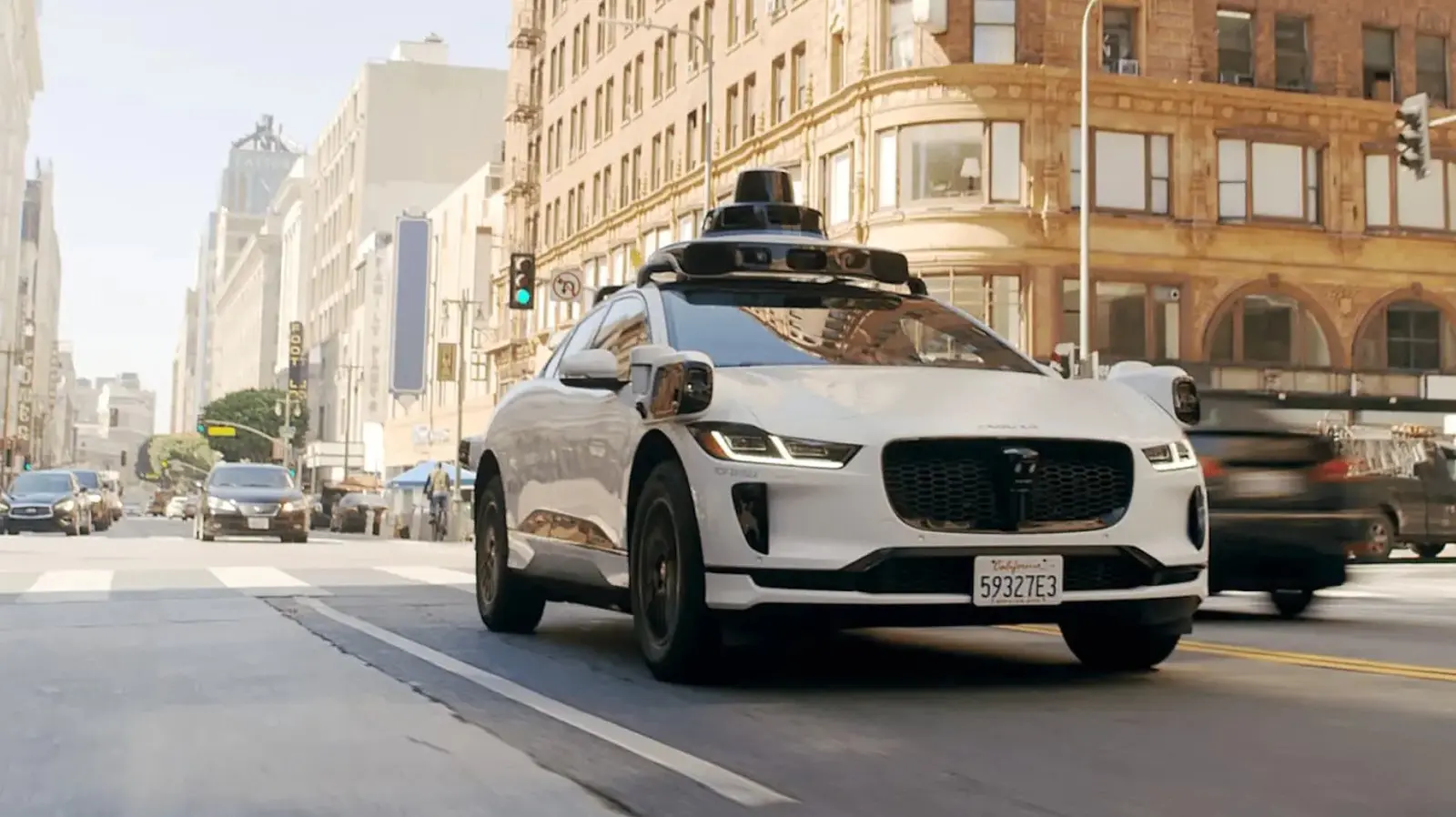 California Imposes Penalties for Robotaxis Obstructing Emergency Services
 Meta’s AI Agent Muse Builds Comprehensive Dossiers on Close Contacts
 The State of Cybersecurity in 2026: Key Segments, Insights, and Innovations
 Why the Rumored iPhone Duo Excites Android Foldable Fans
Medrano states the Houston FSD test fleet had a 38-to-1 driver-to-manager ratio. Tesla's own baseline for this role is 15-to-1. He claims this created unsafe working conditions. The lawsuit highlights significant concerns about the safety protocols.
The lawsuit details a particularly concerning incident. Medrano reportedly received a call about a crash while he was asleep. This suggests managers were on call even during off-hours. Such a high driver-to-manager ratio could hinder effective oversight. It also raises questions about rapid response to incidents.
What Are the Implications for Tesla's FSD Program?
Medrano claims he was instructed by HR to use Do Not Disturbmode on his phone. This advice came after he reported the crash call. He was later terminated from his position. The lawsuit implies his firing was connected to these issues.
This legal action could have serious implications for Tesla's FSD program. It brings scrutiny to the company's testing practices. The safety of autonomous vehicle technology relies heavily on robust oversight. Understaffing could undermine public trust in these systems.
The outcome of this lawsuit will be closely watched. It may influence how autonomous vehicle companies manage their test fleets. Regulatory bodies might also take note of these allegations. The case could set precedents for safety standards in the industry.
Frequently Asked Questions
What is the core allegation in the lawsuit? The lawsuit alleges that Tesla dangerously understaffed its Full Self-Driving test fleet in Houston. It claims a manager-to-driver ratio far exceeded company guidelines, compromising safety.
What happened to the former manager, Javier Medrano? Javier Medrano claims he was fired after reporting issues related to understaffing and a crash call. He was also allegedly told by HR to use Do Not Disturbmode on his phone.
Why is the driver-to-manager ratio important? A low manager-to-driver ratio means less direct supervision and support for test drivers. This could lead to delayed responses in emergencies and reduced oversight of critical safety protocols during FSD testing.
Comments
Leave a comment