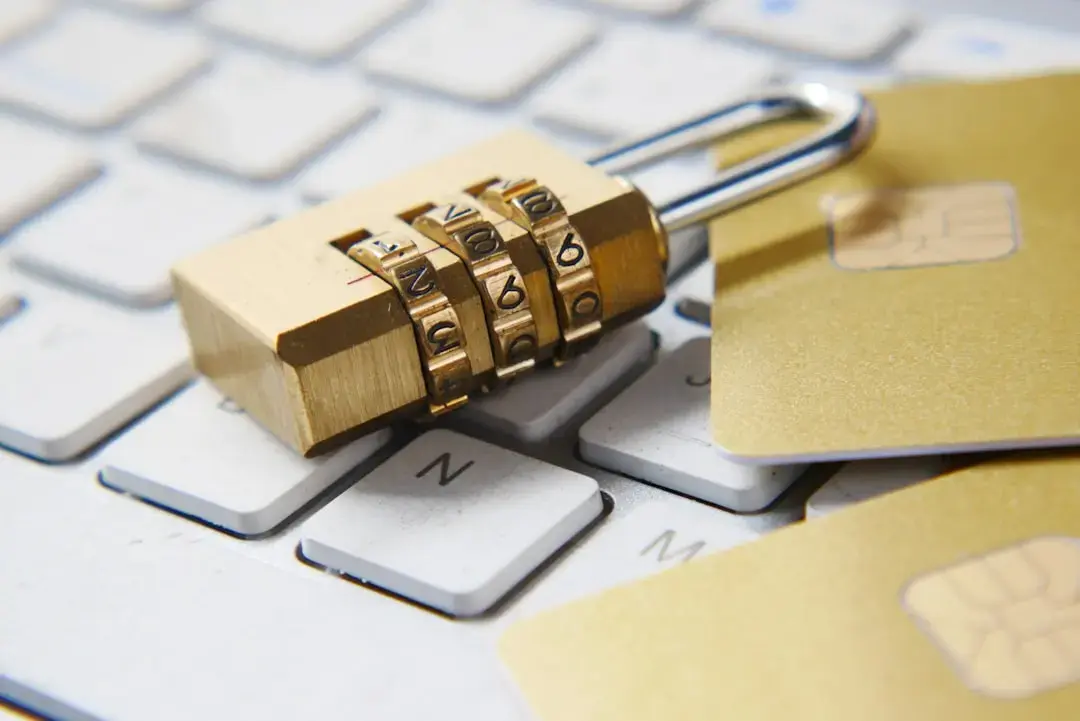
The Implications of Enhanced Surveillance
In a significant move, the FBI has requested near real-timeaccess to license plate reader data throughout the United States. This proposal raises concerns about privacy and surveillance as law enforcement aims to enhance its capabilities in monitoring and investigating criminal activities.
Latest news
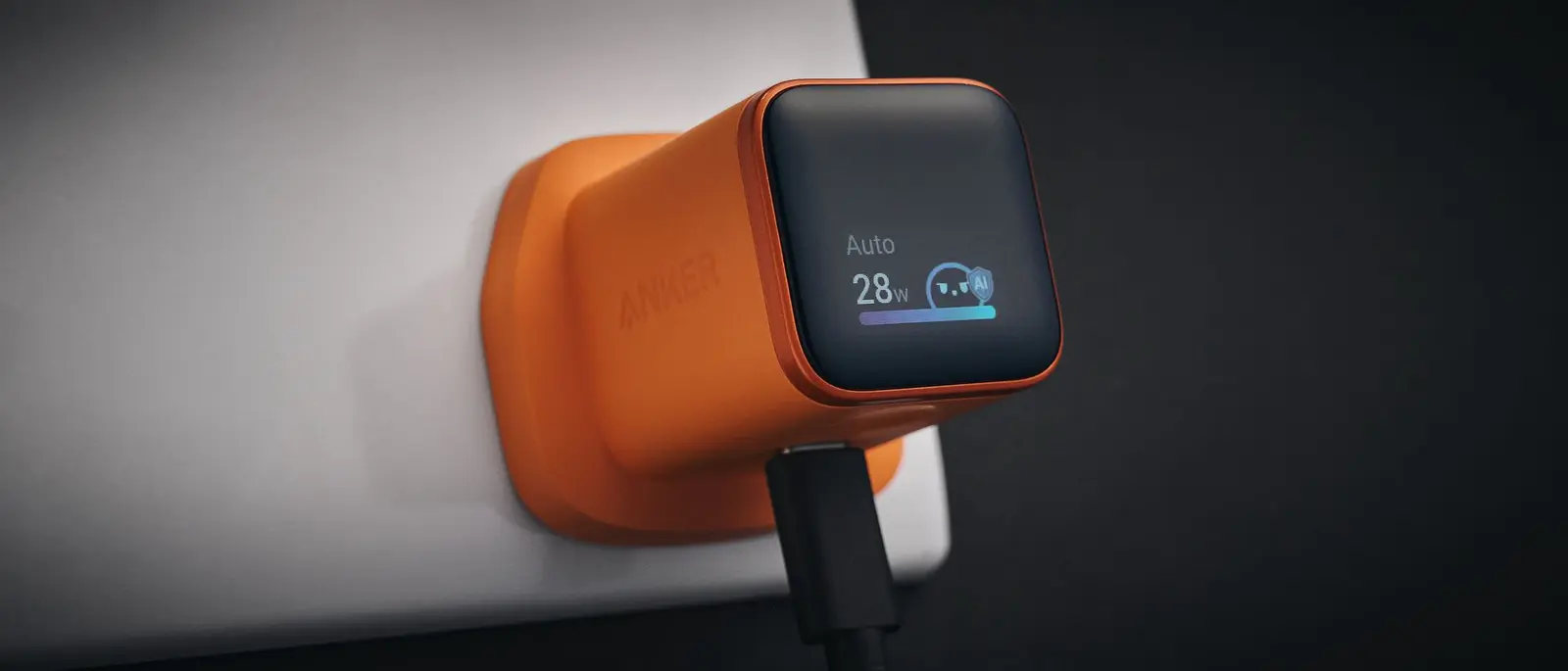 Anker Unveils Playful 45W Charger With Animated Face Display
 Google Docs Web Version Still Missing Native Dark Mode
 Anthropic-Linked Vulnerability Exploited From China, Targets US and Japan
 Text‑Based AI Agents: Your New Digital Assistants
The FBI's interest in this data stems from the increasing reliance on technology for crime prevention and detection. License plate readers can capture and store information about vehicles, including location and time, which can be critical in solving cases. However, the expansion of surveillance tools has sparked debates about the implications for civil liberties and personal privacy.
The FBI's request comes amid growing scrutiny over the use of surveillance technologies by law enforcement agencies. Critics argue that such access could lead to an invasion of privacy, as millions of vehicles are monitored without their owners' consent. Privacy advocates warn that this could create a chilling effect on free movement, as individuals may feel constantly watched.
What Are the Risks of Real-Time Access?
Additionally, the move aligns with broader trends in policing, where agencies increasingly utilize technology to gather intelligence. Many states and municipalities have already implemented license plate reader systems, often without comprehensive regulations governing their use. The FBI's push for immediate access may compel local agencies to rethink their policies on data sharing and privacy protections.
As the FBI seeks to bolster its resources, questions arise about the potential for misuse of the data. Critics emphasize that real-time access could facilitate overreach by law enforcement, leading to wrongful accusations or targeting of innocent individuals. The lack of oversight and accountability mechanisms in place raises concerns about how this information might be used.
Moreover, the technological infrastructure for such systems varies widely across jurisdictions. This disparity could result in inconsistencies in data accuracy and availability, complicating investigations and potentially undermining public trust in law enforcement.
The FBI's request highlights a broader trend in law enforcement's embrace of advanced surveillance technologies. As agencies increasingly turn to data-driven approaches, the balance between public safety and individual privacy will remain a contentious issue. The outcome of this request could set a precedent for how law enforcement agencies interact with emerging technologies in the future.
Frequently Asked Questions
Why does the FBI want access to license plate readers? The FBI aims to enhance its investigative capabilities by obtaining immediate access to vehicle location data, which can assist in solving crimes.
What are the concerns surrounding this request? Privacy advocates worry that real-time access could lead to increased surveillance and potential abuses of power by law enforcement, infringing on civil liberties.
How might this affect local law enforcement agencies? Local agencies may need to reevaluate their data-sharing policies and privacy protections in light of the FBI's request, potentially leading to greater oversight and regulation.
Comments
Leave a comment