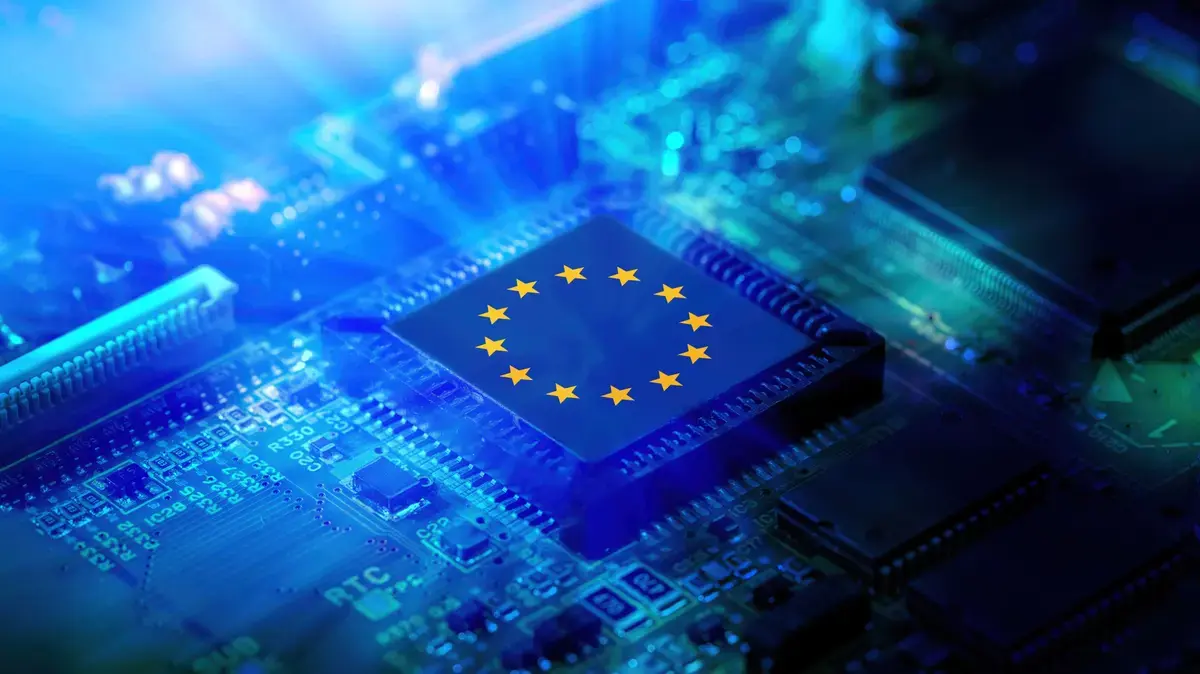
Trust in AI Systems
The European Union has announced new AI rules. They are now enforceable across the bloc. The rules aim to foster trust and integrity in the information ecosystem. They were introduced to promote transparency.
Latest news
 Minisforum Unveils High‑End Ryzen AI Max+ PRO 495 Workstation
 NASA Eyes Revival of SR‑71 Blackbird
 My Home Wi‑Fi Was Crowded by 14 Neighbors—A Free App Helped Me Find a Clear Channel
 YouTube is tightening rules for low-effort Shorts
The EU's new rules are designed to ensure that AI systems are transparent and trustworthy. This is intended to prevent the spread of misinformation. The rules will help to build trust in AI systems.
Can AI Be Trusted?
The EU's move is a significant step towards regulating AI. It raises questions about the potential risks and benefits of AI. As AI becomes more prevalent, concerns about its impact grow. The EU's rules may set a precedent for other regions.
Frequently Asked Questions
The new rules will have significant consequences for companies using AI. They will need to ensure that their systems are transparent and compliant. The outlook for AI development is complex. It will depend on how the rules are implemented and enforced.
What are the EU's AI transparency rules? The EU's AI transparency rules are designed to promote trust and integrity in AI systems. They require companies to be transparent about their use of AI. This includes providing information about how AI systems work and what data they use. How will the rules be enforced? The rules will be enforced by EU regulatory bodies. Companies that fail to comply may face penalties. The EU will monitor the implementation of the rules and make adjustments as needed. What impact will the rules have on AI development? The rules may slow the development of AI in the short term. However, they may also lead to more trustworthy and reliable AI systems in the long term. This could have significant benefits for society as a whole.
Comments
Leave a comment