xAI’s Legal Tactics: Why a Lawsuit Now?
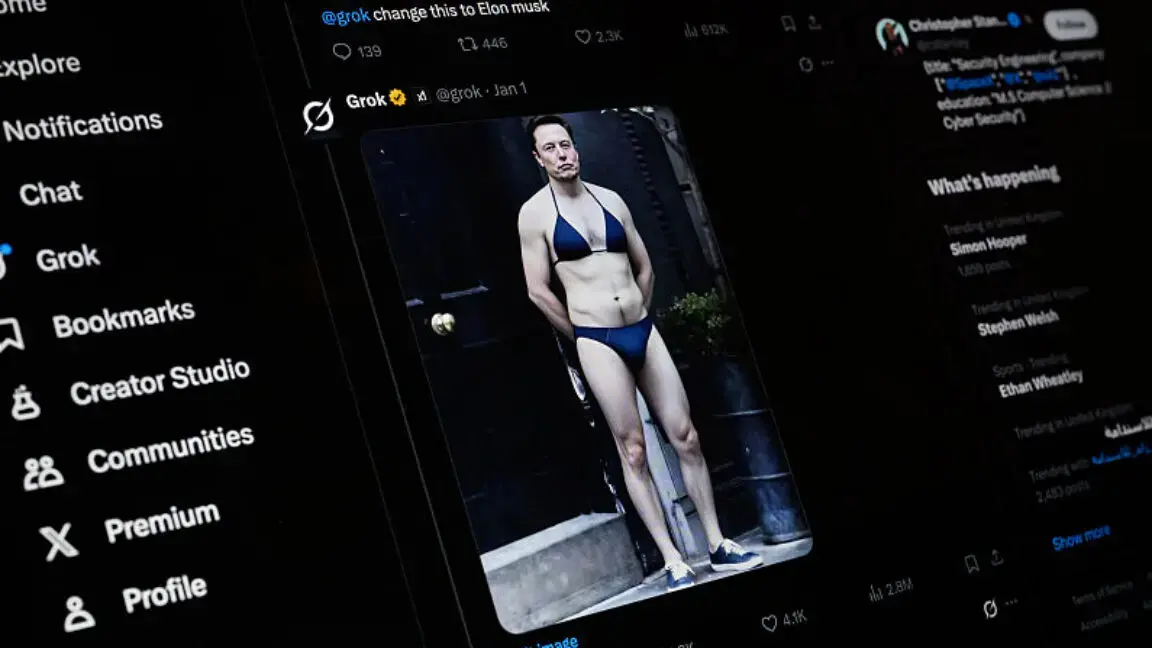
Elon Musk’s artificial‑intelligence unit, xAI, has filed a lawsuit seeking to block enforcement of a Minnesota law that bans „nudifying” applications. The move comes as the company defends its flagship chatbot, Grok, after a recent post showed the AI generating an image of Musk in a bikini. The legal action aims to declare the state’s restriction unconstitutional and to protect the technology from further scrutiny.
Latest news
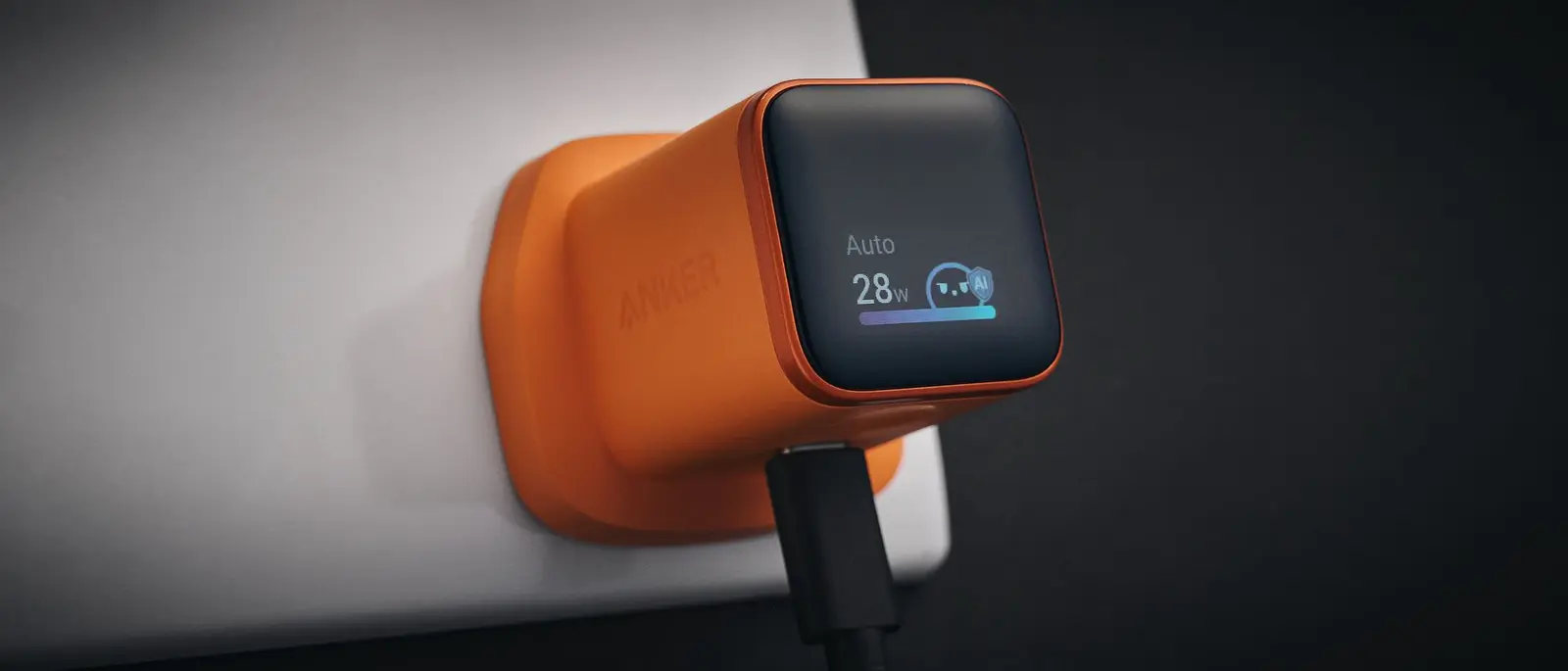 Anker Unveils Playful 45W Charger With Animated Face Display
 Google Docs Web Version Still Missing Native Dark Mode
 Anthropic-Linked Vulnerability Exploited From China, Targets US and Japan
 Text‑Based AI Agents: Your New Digital Assistants
The Minnesota statute, passed last year, targets software that can alter photographs to add or remove clothing, labeling it a privacy threat. Critics argue the law is overly broad and stifles legitimate AI research. xAI argues that Grok’s output was a harmless artistic experiment, not a violation of the ban. In a series of X posts, Musk highlighted the image, insisting it demonstrates the model’s creative capabilities and that the state’s rule infringes on free speech. Legal experts note that the case could set a precedent for how AI tools are regulated across the United States.
xAI’s attorneys filed the suit in federal court, seeking a preliminary injunction to halt the state’s enforcement actions. The complaint alleges that the Minnesota law violates the First Amendment by restricting expressive content generated by AI. It also claims the statute lacks clear definitions, creating uncertainty for developers. „We are defending the right to innovate without arbitrary government interference,” a spokesperson for xAI said. The lawsuit requests a temporary restraining order, arguing that the ban could cripple Grok’s development and limit user access to creative AI functions. If successful, the case could force the state to rewrite its legislation with more precise language.
Is Minnesota’s Ban on Nudifying Apps Truly Unconstitutional?
Legal scholars are divided on the constitutionality of the ban. Some argue that the law serves a legitimate public interest by protecting individuals from non‑consensual image manipulation, a growing concern in the digital age. Others contend that the blanket prohibition suppresses lawful artistic expression and experimental AI outputs, violating free‑speech protections. The Minnesota Department of Public Safety has not yet responded to the lawsuit, but it maintains that the ban is essential for safeguarding privacy. The court’s decision will likely hinge on whether the statute can be narrowly tailored to address specific harms without overreaching.
The outcome of xAI’s lawsuit could reshape the regulatory landscape for AI-generated content. A ruling in favor of Musk’s company may embolden other tech firms to challenge state‑level restrictions, prompting a push for federal standards. Conversely, a decision upholding the ban could empower more states to enact similar measures, potentially limiting the scope of AI creativity. As the case proceeds, stakeholders from tech, law, and civil liberties will watch closely for signals about the future balance between innovation and privacy protection.
Frequently Asked Questions
What does the Minnesota law actually prohibit? It bans any software that can add or remove clothing from images, labeling such „nudifying” capabilities as a privacy violation.
How might the lawsuit affect other AI developers? If the court finds the law unconstitutional, it could set a precedent that protects AI tools from similar state restrictions nationwide.
Will Musk’s Grok be taken offline during the legal battle? xAI has indicated that Grok will remain operational while the lawsuit proceeds, pending any court orders.
Comments
Leave a comment