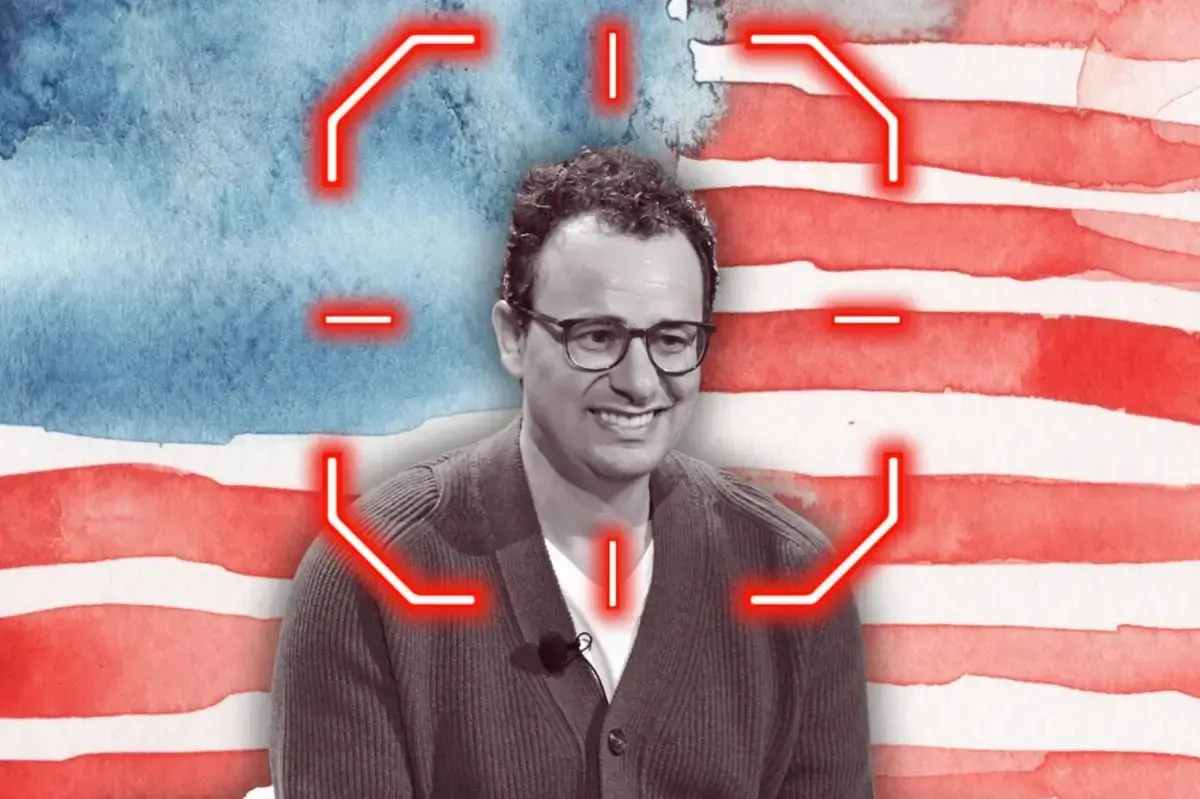
AI Regulation: A Delicate Balance
The US government has forced AI firm Anthropic to disable two of its most advanced models, sparking concerns over regulatory overreach. Anthropic announced the move on Friday, stating it was working to restore access as soon as possible.
Latest news
 Minisforum Unveils High‑End Ryzen AI Max+ PRO 495 Workstation
 NASA Eyes Revival of SR‑71 Blackbird
 My Home Wi‑Fi Was Crowded by 14 Neighbors—A Free App Helped Me Find a Clear Channel
 YouTube is tightening rules for low-effort Shorts
The company claimed the government's action was a misunderstanding, but details of the order remain unclear. Anthropic's statement did not specify which models were affected or the exact nature of the government's concerns.
The incident highlights the growing tension between AI developers and regulators. As AI models become increasingly powerful, governments are struggling to keep pace with the technology. Anthropic's statement suggests that the company's models were disabled abruptly, without prior warning or consultation.
Are Governments Stifling Innovation?
The disabling of Anthropic's models raises questions about the impact of government regulation on AI development. Overly restrictive rules could stifle innovation, while inadequate oversight risks unleashing untested technologies on the public.
The consequences of this incident are likely to be far-reaching, with implications for the entire AI industry. As the situation unfolds, it remains to be seen how Anthropic and other AI developers will respond to the government's actions.
Frequently Asked Questions
What happened to Anthropic's AI models? Anthropic was forced to disable two of its most advanced AI models due to a US government order. The company is working to restore access.
Why were the models disabled? The exact reasons for the government's action are unclear, but Anthropic claims it was a misunderstanding.
What are the implications for the AI industry? The incident raises concerns over regulatory overreach and the potential impact on AI innovation.
Comments
Leave a comment