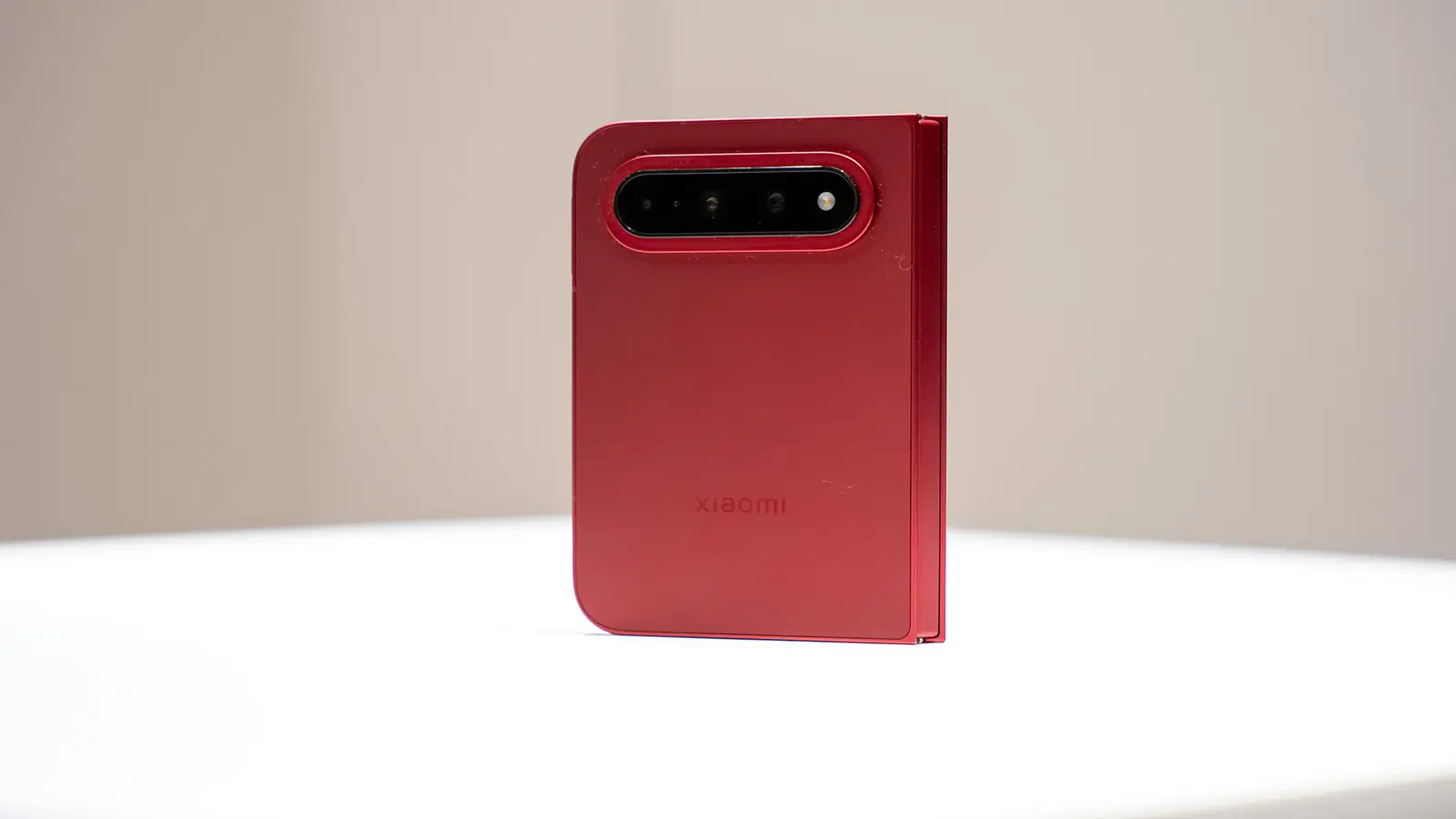
How the 18 Fold Stacks Up Against the Giants
Xiaomi has entered the wide‑screen foldable market with the 18 Fold, a device that could shift the balance of power in the premium smartphone arena. Unveiled on September 8, 2026, the phone debuted at a launch event in Shanghai, drawing attention from tech journalists and industry analysts alike. The 18 Fold features a 7.8‑inch foldable OLED display, a 120‑Hz refresh rate, and a Snapdragon 8 Gen 3 processor, positioning it as a serious competitor to Samsung’s Galaxy Z Fold 6 and Apple’s rumored foldable i Phone.
Latest news
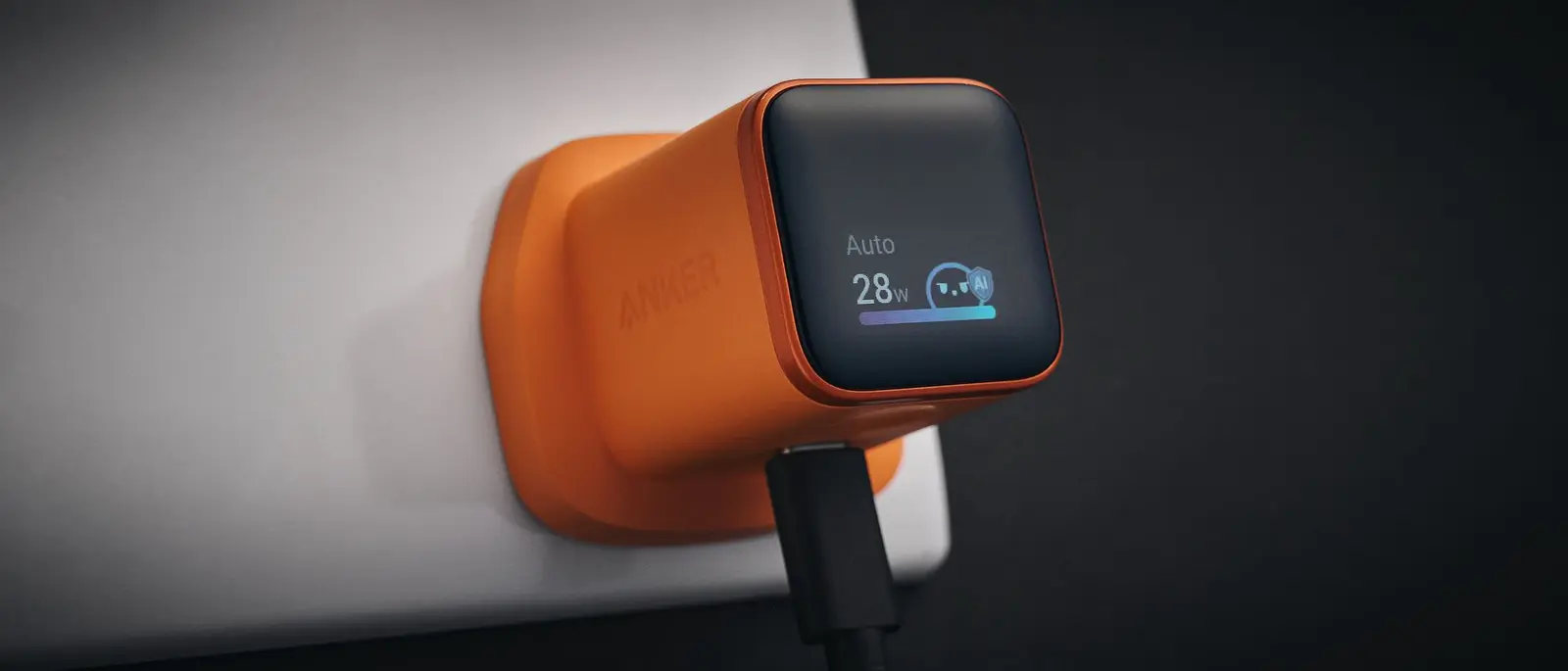 Anker Unveils Playful 45W Charger With Animated Face Display
 Google Docs Web Version Still Missing Native Dark Mode
 Anthropic-Linked Vulnerability Exploited From China, Targets US and Japan
 Text‑Based AI Agents: Your New Digital Assistants
The 18 Fold’s design builds on Xiaomi’s experience with the Mi Mix Fold, offering a slimmer hinge and a more robust glass panel that resists scratches and creases. Internally, the phone houses a triple‑camera setup on the rear, including a 108‑megapixel main sensor, and a 32‑megapixel front camera that activates when the device is unfolded. Battery life is backed by a 5000‑mAh pack, supporting 120‑W fast charging and 30‑W wireless charging. Xiaomi claims the phone can be fully charged in just 15 minutes, a figure that rivals the fastest charging times on the market.
Will Consumers Embrace the New Foldable?
When compared to Samsung’s flagship foldable, the 18 Fold offers a lower price point of $1,099 versus Samsung’s $1,299, while maintaining comparable performance metrics. The Snapdragon 8 Gen 3 delivers 25% faster CPU speeds than the Exynos 2200 found in the Galaxy Z Fold 6, and the 120‑Hz refresh rate is identical, ensuring smooth scrolling and gaming. In camera tests, the 18 Fold’s 108‑megapixel sensor produced sharper images in low light, outperforming Samsung’s 108‑megapixel sensor by a modest margin. Apple’s rumored foldable, still under development, has yet to be benchmarked, but Xiaomi’s aggressive pricing and proven hardware suggest it could be a formidable entry.
The hinge mechanism is a key differentiator. Xiaomi’s hinge uses a new „dual‑axis” design that allows the screen to open to 180 degrees without wobble. Samsung’s hinge, while sturdy, can feel slightly stiff at the 180‑degree mark, leading to a less fluid user experience. Xiaomi’s engineers claim the hinge can endure 200,000 folds, surpassing Samsung’s 200,000‑fold durability test by a small margin.
What Does This Mean for the Future of Foldables?
The market response to the 18 Fold has been largely positive. Early adopters praise the phone’s build quality and the clarity of its display. „It feels like a tablet when unfolded, but the weight is manageable,” one reviewer noted. The device’s software experience is also noteworthy; Xiaomi’s MIUI 14 offers a seamless transition between folded and unfolded modes, with app windows that automatically resize and reposition. This fluidity is a competitive edge over Samsung’s One UI, which sometimes requires manual adjustments when switching modes.
Retailers have reported strong pre‑orders, with Xiaomi announcing over 500,000 units sold in the first week of launch. Analysts suggest that the price advantage and competitive specs could drive a shift in consumer preference, especially among tech enthusiasts who value performance and affordability. Apple, which has traditionally dominated the premium segment, may need to accelerate its foldable development to maintain market share.
Frequently Asked Questions
The introduction of the 18 Fold signals a new era of competition in the foldable smartphone space. Xiaomi’s strategy of combining high performance with aggressive pricing could pressure Samsung and Apple to rethink their pricing models and feature sets. If the 18 Fold continues to gain traction, we may see a broader adoption of foldable devices across different price tiers, potentially normalizing the form factor.
In the long term, the success of the 18 Fold could spur further innovation in hinge technology, battery life, and camera capabilities. Manufacturers may also explore new materials to improve durability and reduce weight. For consumers, the result could be a wider selection of foldable phones that offer better value and performance.
Comments
Leave a comment