How Reliable Is Consumer ECG Technology in Real-World Use?
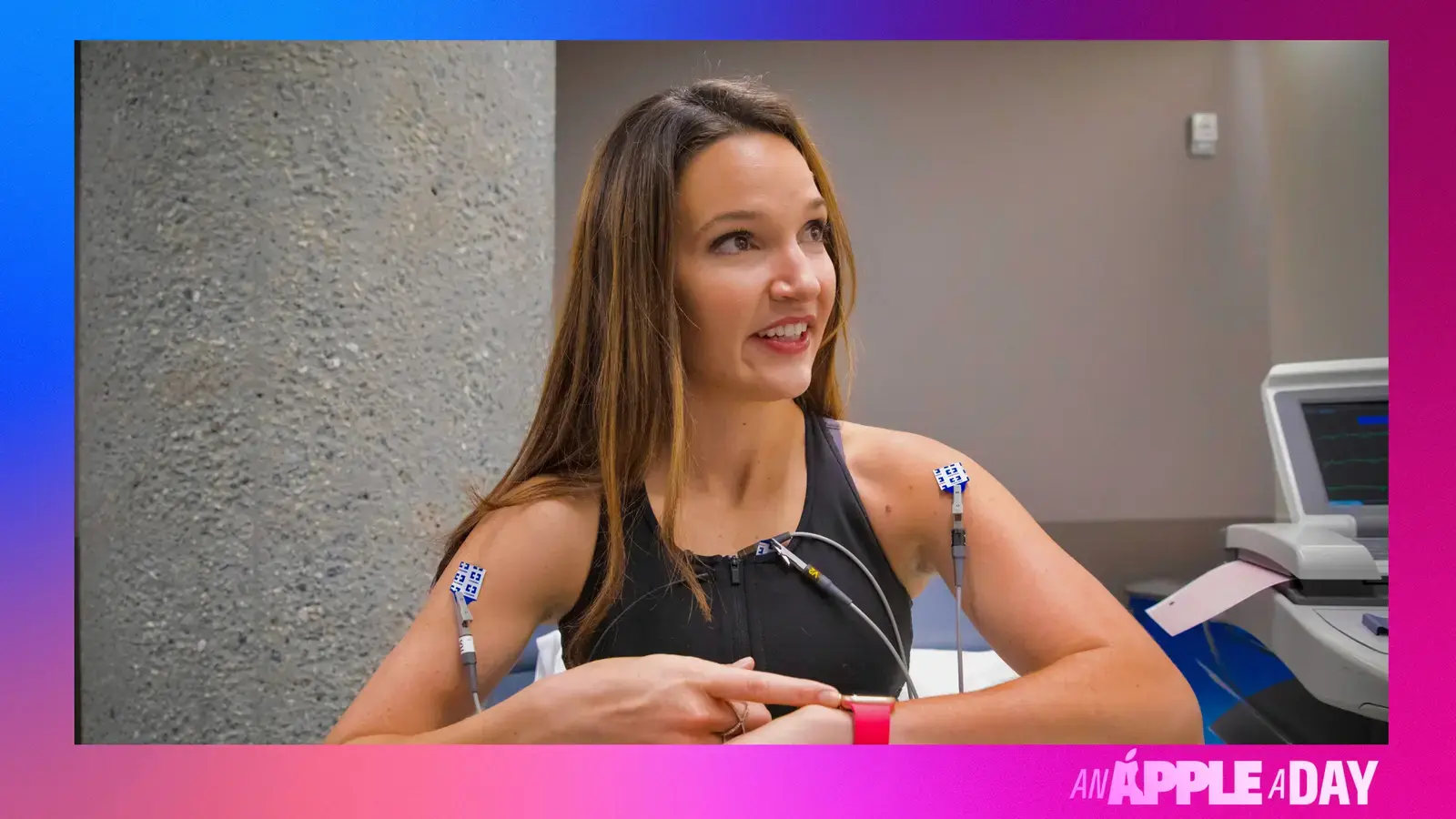
I was testing the Apple Watch’s ECG feature on video for CNET as a healthy, active 30-year-old when something unexpected happened. During the recording, the watch detected an irregular heart rhythm that prompted me to seek medical advice. What began as a routine tech demo turned into a personal health wake-up call, showing how consumer wearables can surface real medical concerns even in seemingly fit individuals.
Latest news
 California Imposes Penalties for Robotaxis Obstructing Emergency Services
 Meta’s AI Agent Muse Builds Comprehensive Dossiers on Close Contacts
 The State of Cybersecurity in 2026: Key Segments, Insights, and Innovations
 Why the Rumored iPhone Duo Excites Android Foldable Fans
The incident occurred while I was demonstrating the ECG app’s functionality for a tech segment. After receiving an alert about atrial fibrillation signs, I consulted a doctor who confirmed the need for further evaluation. Though I had no symptoms, the data from the watch led to a clinical discussion about heart health monitoring. This experience shifted my perspective from skepticism to cautious optimism about the role of smartwatches in preventive care, especially for users who might not expect to find anything wrong.
Can Wearables Replace Regular Heart Check-Ups?
The Apple Watch’s ECG feature is cleared by the FDA for detecting signs of atrial fibrillation, but it is not a diagnostic tool. Medical professionals emphasize that alerts should prompt follow-up, not self-diagnosis. In my case, the wearable served as an early warning system that encouraged timely medical consultation. Studies show such devices can increase detection rates of arrhythmias in asymptomatic users, though false positives remain a concern requiring clinical validation.
No, wearables like the Apple Watch are designed to complement, not replace, professional medical care. They excel at tracking trends and flagging anomalies over time, but lack the context of a full clinical evaluation. Doctors stress that factors like blood pressure, cholesterol, and lifestyle need in-person assessment. My experience reinforced that these devices work best when used as part of a broader health strategy, prompting conversations with healthcare providers rather than ending them.
Frequently Asked Questions
What does an ECG alert from an Apple Watch actually mean? It indicates the device detected signs of an irregular rhythm suggestive of atrial fibrillation, requiring confirmation by a healthcare professional through additional testing.
Should I trust my smartwatch over how I feel? No—symptoms always matter. A normal reading doesn’t rule out issues, and an alert doesn’t confirm disease. Use the data as a conversation starter with your doctor, not a final verdict.
Comments
Leave a comment