
The Reality of Hardware Fatigue
After years of championing foldable devices, many early adopters are souring on the trend. While the novelty of a pocket-sized tablet initially captivated the tech community, the long-term reality of daily use has shifted perspectives. For many users, the dream of a two-in-one device has been replaced by a preference for traditional, separate hardware.
Latest news
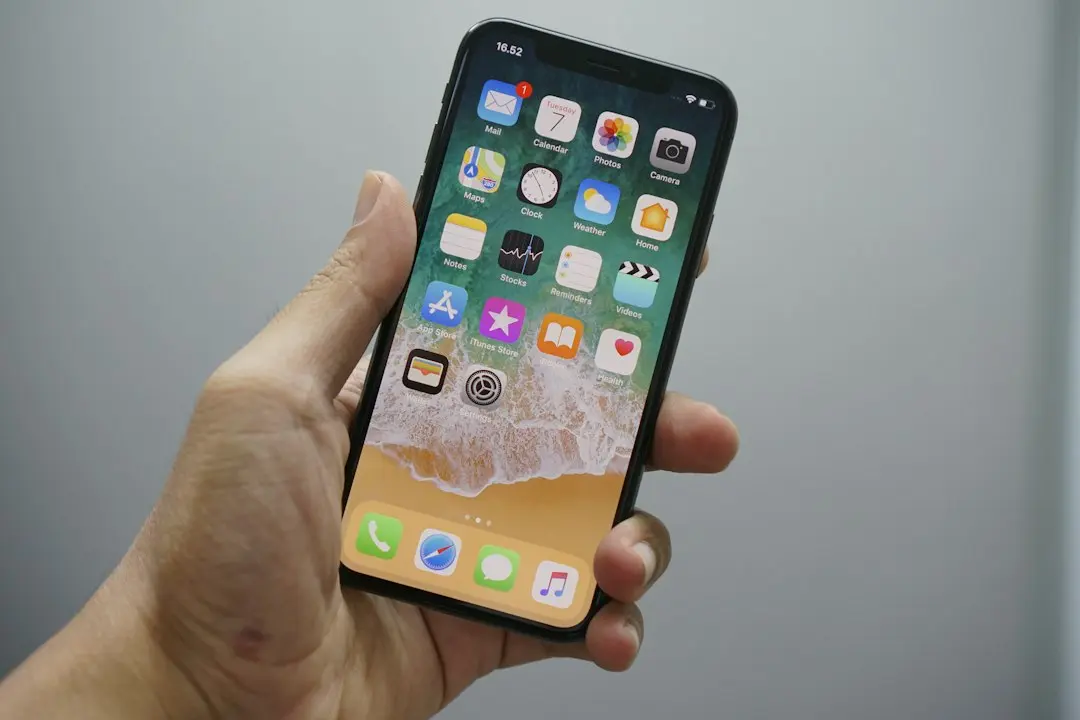 Why the Rumored iPhone Duo Excites Android Foldable Fans
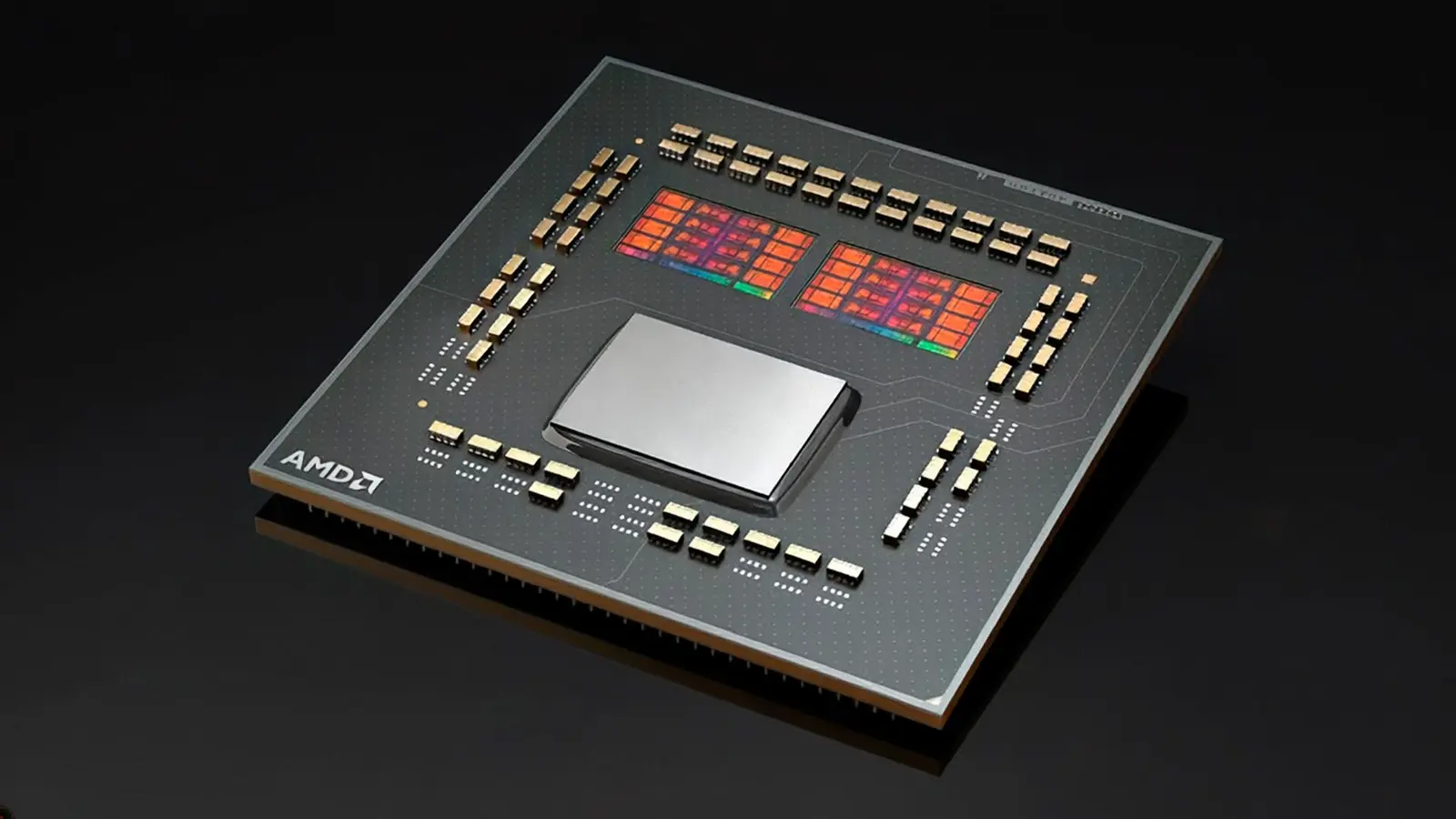 AMD's Canceled Ryzen 9 5900X3D Leaks Online
 California Subpoenas OpenAI Over Autonomous AI Hacking Risks
 Nvidia-Backed UK Supercomputer Faces Multi-Year Power Delay
The initial appeal of foldable phones centered on the promise of versatility. Manufacturers marketed these devices as the ultimate productivity tools, blending smartphone portability with tablet-sized screens. However, the physical compromises required to achieve this design—such as visible screen creases, increased weight, and fragile hinge mechanisms—have become significant points of friction for long-term owners.
The excitement surrounding foldable technology often ignores the practical wear and tear that occurs over time. Unlike standard glass slabs, foldable screens require specialized materials that remain susceptible to scratches and deeper indentations. Users frequently report anxiety regarding the longevity of the internal display, turning what should be a premium experience into a constant exercise in caution.
Is the Complexity Worth the Trade-off?
Furthermore, the software optimization for these unique aspect ratios remains inconsistent. While multitasking features have improved, many applications still fail to scale correctly across the expansive displays. This results in a disjointed user experience that often feels less polished than the reliable, predictable performance of a standard flagship smartphone.
The fundamental question remains whether the added complexity of a folding hinge justifies the loss of simplicity. Most users find that the benefits of a larger screen do not outweigh the inconvenience of a thicker, heavier device that feels cumbersome in a pocket. The transition from a tablet-sized display back to a phone interface often feels like a forced compromise rather than a seamless evolution.
Frequently Asked Questions
Ultimately, the market is beginning to realize that convenience is not just about screen real estate. It is about reliability, durability, and ease of use. As the novelty fades, the industry may find that consumers prefer high-quality, dedicated devices for specific tasks rather than a single, complex tool that attempts to do everything but masters nothing.
Why are foldable phones losing their appeal for some users? Many users find that the hardware compromises, such as screen creases and added weight, outweigh the benefits of a larger display. The constant need for caution to protect the fragile hinge and screen also diminishes the overall user experience.
Do foldable devices offer a better experience than separate tablets? While foldables provide portability, they often lack the seamless software integration and durability of a dedicated tablet. Most users eventually decide that keeping their phone and tablet as separate, specialized devices is more efficient and reliable.
Comments
Leave a comment