
The Burden of Constant Surveillance
Smart glasses represent the next major evolution in mobile technology, promising a seamless blend of digital information and physical reality. However, the widespread integration of high-resolution cameras into these wearable devices has sparked significant discomfort. While the hardware is impressive, the social friction caused by recording others has overshadowed the product's utility.
Latest news
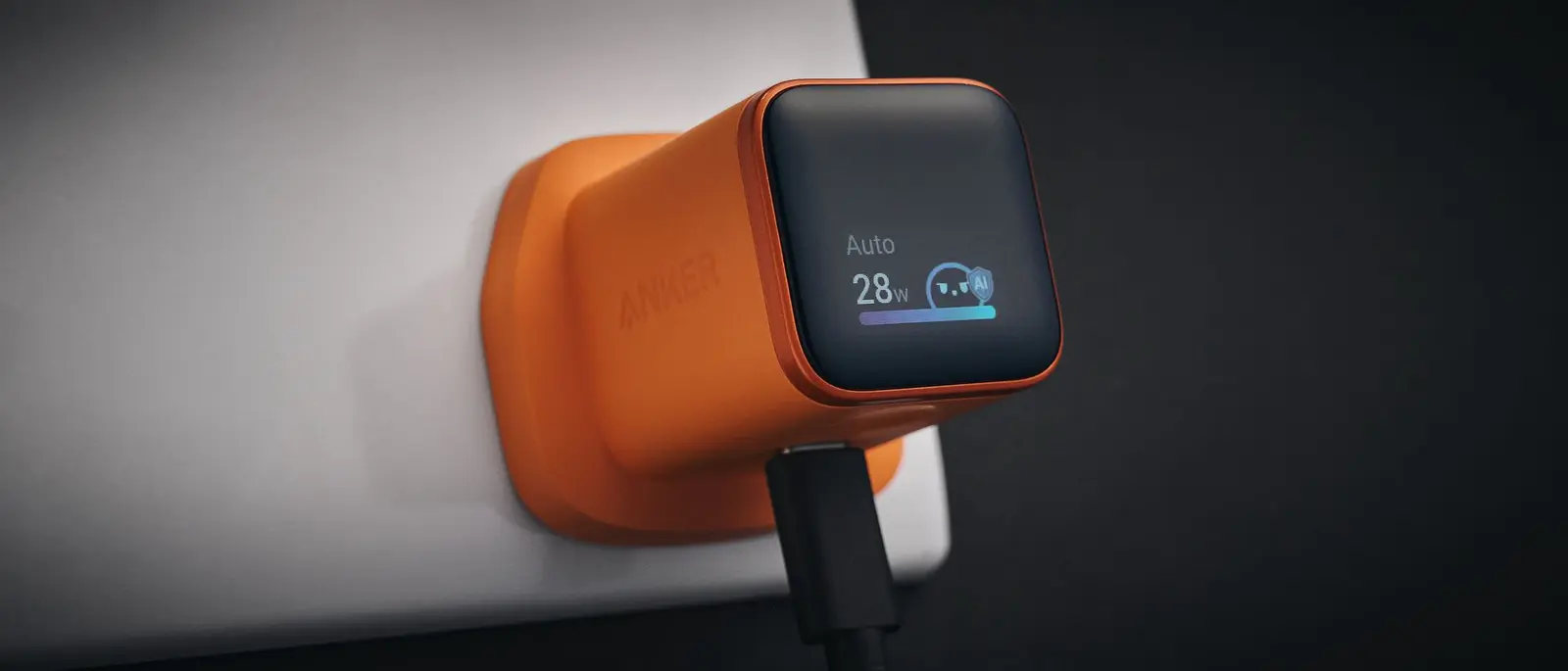 Anker Unveils Playful 45W Charger With Animated Face Display
 Google Docs Web Version Still Missing Native Dark Mode
 Anthropic-Linked Vulnerability Exploited From China, Targets US and Japan
 Text‑Based AI Agents: Your New Digital Assistants
The convenience of capturing moments hands-free is undeniable for the wearer. Yet, this functionality fundamentally alters how people interact in public spaces. When a device is always ready to record, it creates an atmosphere of constant surveillance. This shift in social dynamics has made many users hesitate to wear these glasses in casual settings.
The primary issue stems from the lack of transparency regarding when a device is actively capturing footage. Bystanders often feel uneasy, unsure if they are being filmed without their explicit consent. This persistent tension turns a piece of futuristic technology into a social liability. For many, the joy of using the camera is now eclipsed by the guilt of potentially invading someone’s privacy.
Is Privacy Worth the Convenience?
The design of modern smart glasses often hides the camera lens, making it difficult for others to know if they are on camera. This ambiguity creates a barrier of distrust between the user and the public. As these devices become more common, the societal norms surrounding private space are being challenged in ways we are not prepared to handle.
The future of wearable tech depends on finding a balance between functionality and public comfort. Manufacturers must address these privacy concerns if they hope to achieve mass adoption. Without clear indicators or stricter usage policies, smart glasses may remain a niche product rather than a mainstream necessity.
Frequently Asked Questions
The industry is currently at a crossroads. If companies continue to prioritize features over social etiquette, they risk alienating the very people they intend to serve. The convenience of instant capture is significant, but it cannot come at the expense of our fundamental right to privacy in public.
Why is the camera feature controversial for smart glasses? The primary concern is the potential for non-consensual recording of bystanders. This creates a sense of unease and violates personal privacy in public spaces.
How can manufacturers solve the privacy problem? Companies could implement clearer visual indicators, such as bright lights, to signal when recording is active. Establishing stricter software guidelines for privacy protection may also help restore public trust.
Comments
Leave a comment