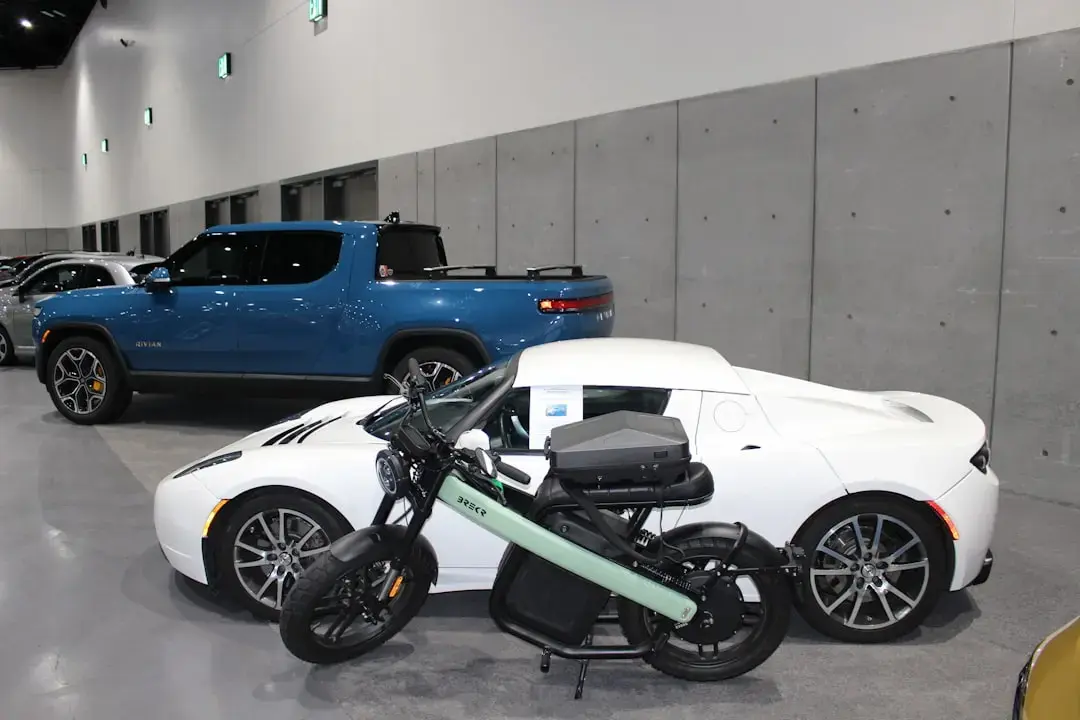
Tesla’s Proprietary Ecosystem and Brand Control
CarPlay has become a standard expectation for most new‑car shoppers, yet three of the biggest manufacturers—Tesla, Rivian, and General Motors—continue to omit the Apple‑driven interface from their vehicles. The gap persists despite growing consumer demand and Apple’s aggressive promotion of the platform throughout 2023‑2024.
Latest news
 Major AI firms recorded peak lobbying expenses last summer
 Apple Magic Keyboards for iPad Drop to Half Price at Woot
 Microsoft Provides Fix for Broken Exchange Online Apps
 Security Breach at AI Aggregator Exposes 18 Million Files and Private Chats
The three companies cite different reasons for the omission. Tesla relies on its own custom‑built infotainment system, arguing that a proprietary interface offers tighter integration with vehicle functions and a consistent user experience. Rivian, still in the early stages of production, prioritizes its own software ecosystem to differentiate its brand. GM, burdened by legacy hardware in many of its models, claims technical constraints and a lengthy rollout plan are the main obstacles to full CarPlay support.
Tesla has never adopted CarPlay, preferring an in‑house solution that mirrors the company’s broader strategy of vertical integration. CEO Elon Musk has repeatedly said that external platforms add unnecessary complexity and dilute the brand’s distinctiveness. Tesla’s large touchscreen displays run a single, unified operating system that handles navigation, media, and vehicle settings without third‑party interference. Recent surveys show that over 70 % of Tesla owners are satisfied with the native interface, though critics argue the lack of Apple’s ecosystem limits functionality for i Phone users. The company’s approach also sidesteps licensing fees, preserving profit margins on its high‑end models.
Will GM Finally Embrace CarPlay, or Stay on the Sidelines?
General Motors has hinted at broader CarPlay integration in upcoming 2025 releases, yet many current models still lack the feature. Executives cite aging infotainment hardware in older platforms as a barrier, requiring costly redesigns to meet Apple’s technical specifications. Industry analysts note that GM’s hesitation may stem from a desire to develop its own „Super Cruise” and „Infotainment 2.0” platforms before conceding to external standards. However, consumer pressure is mounting, as dealerships report increasing requests for Apple compatibility. If GM delays further, it risks losing market share to competitors that already offer seamless CarPlay experiences.
The continued absence of CarPlay from these manufacturers could reshape buyer preferences, especially among tech‑savvy consumers who view smartphone integration as essential. Tesla’s loyal fan base may tolerate the trade‑off, but Rivian’s niche market could feel the pinch if competitors deliver more connected interiors. GM’s eventual decision will likely hinge on balancing legacy system upgrades against the cost of licensing and development. As Apple pushes for broader adoption, the three automakers may eventually converge on a common solution, but for now, the divide remains stark.
Frequently Asked Questions
Does the lack of CarPlay affect a vehicle’s resale value? Generally, vehicles without CarPlay may fetch slightly lower resale prices, especially in markets where smartphone integration is a key selling point. The impact varies by brand and model, with premium cars often retaining value despite the omission.
Can owners add CarPlay to their cars after purchase? Aftermarket kits exist for many models, but installation can be complex and may void warranties. Compatibility depends on the vehicle’s existing infotainment hardware and wiring.
Is Apple pressuring automakers to adopt CarPlay? Apple actively promotes CarPlay through developer incentives and marketing campaigns, encouraging manufacturers to meet its technical standards. While the company cannot force adoption, its market influence nudges automakers toward compliance.
Comments
Leave a comment