Hardware Designs and Interface Philosophies
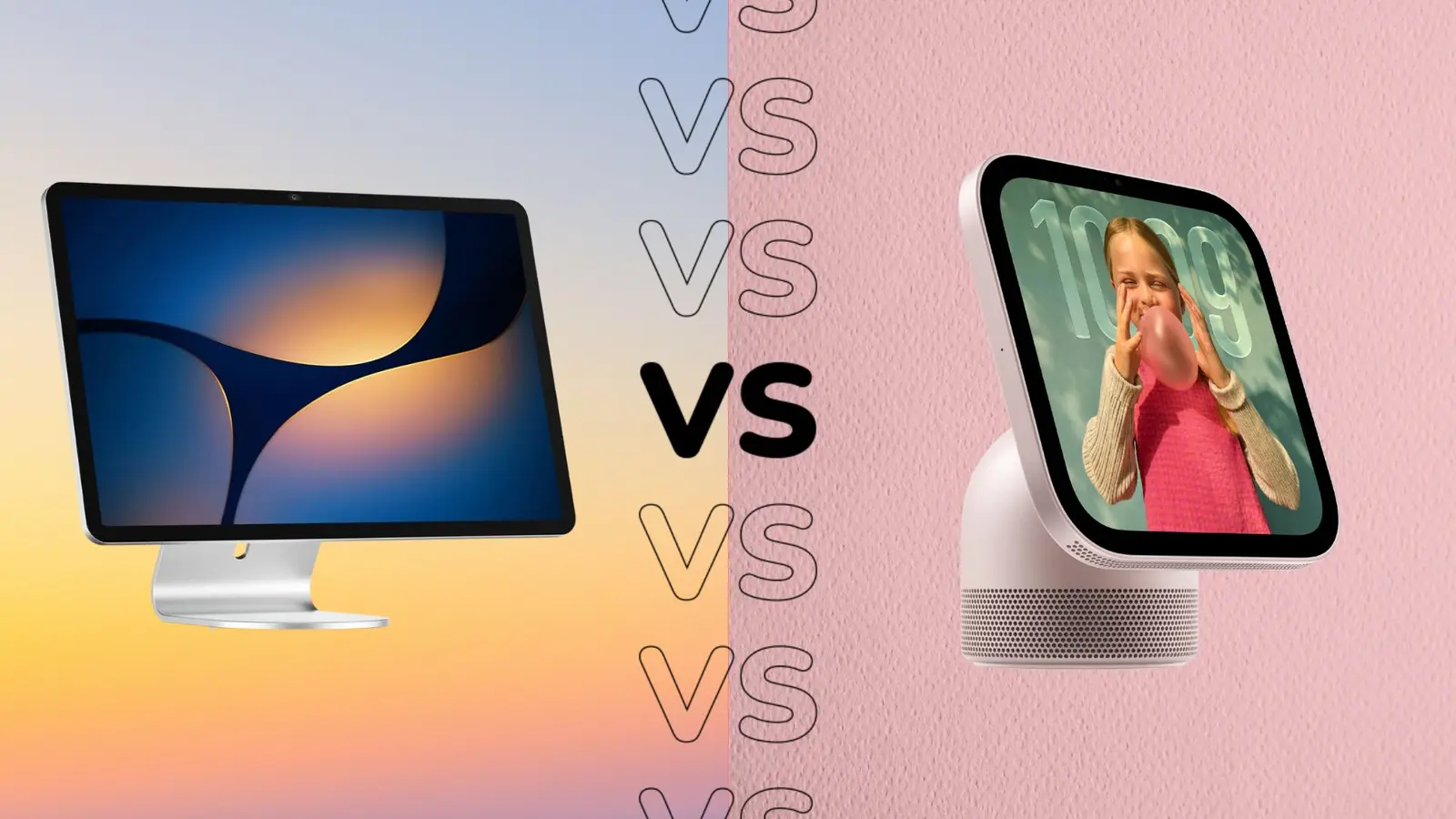
The smart home market recently saw a major shift as two tech giants entered a direct head-to-head competition. Amazon released its Echo Show 16 just weeks after Apple debuted the HomeView. Both devices aim to serve as the central command center for modern households, offering new ways to manage connected appliances.
Latest news
 EU Weighs In on Apple's iPhone Browser Restrictions
 Smart TVs frequently lose their Wi-Fi connection, leaving viewers staring at a spinning loading icon
 Why Ignoring Car Software Updates Is Risky
 Apple's foldable iPhone Duo introduces dual-display multitasking capabilities
These hubs represent the latest evolution in domestic automation technology. While Amazon builds upon its established Echo ecosystem, Apple is positioning the HomeView as a premium entry into the dedicated hub space. Consumers now face a significant choice between two distinct design philosophies and integrated software environments for their homes.
The Echo Show 16 focuses on a expansive display, prioritizing visual information and media consumption. Amazon has optimized the interface to handle multiple smart home widgets simultaneously. This approach targets users who want a high-visibility dashboard for controlling lights, security cameras, and calendars from a single wall-mounted or desktop screen.
Which Hub Better Fits Your Daily Routine?
Conversely, Apple emphasizes a streamlined, privacy-focused experience with the HomeView. The device integrates deeply with existing Apple hardware, creating a seamless bridge for users already invested in the company's ecosystem. Its interface prioritizes simplicity and responsiveness, aiming to reduce the complexity often associated with managing numerous smart devices.
Choosing between these devices depends largely on your current digital setup. If your home already relies on Alexa-compatible devices, the Echo Show 16 offers a familiar and feature-rich environment. It excels at providing quick access to a vast library of third-party smart home integrations and voice-activated commands.
Apple users may find the HomeView more compelling due to its native compatibility with HomeKit and other proprietary services. The focus here is on stability and ease of use rather than sheer customization. Ultimately, the decision rests on whether you prioritize open-platform versatility or a polished, unified experience within a single brand ecosystem.
Frequently Asked Questions
What is the primary difference between these two smart hubs? The main difference lies in their ecosystem integration. The Echo Show 16 is built for broad compatibility with various smart devices, while the HomeView is designed to integrate seamlessly with Apple products.
Do these devices require professional installation? Both hubs are designed for consumer setup. They typically function as plug-and-play devices that connect to your home Wi-Fi network through a guided mobile application process.
Can these hubs control non-smart appliances? They can manage standard appliances if they are connected to compatible smart plugs or switches. However, they do not inherently control older, non-connected hardware without additional smart adapters.
Comments
Leave a comment