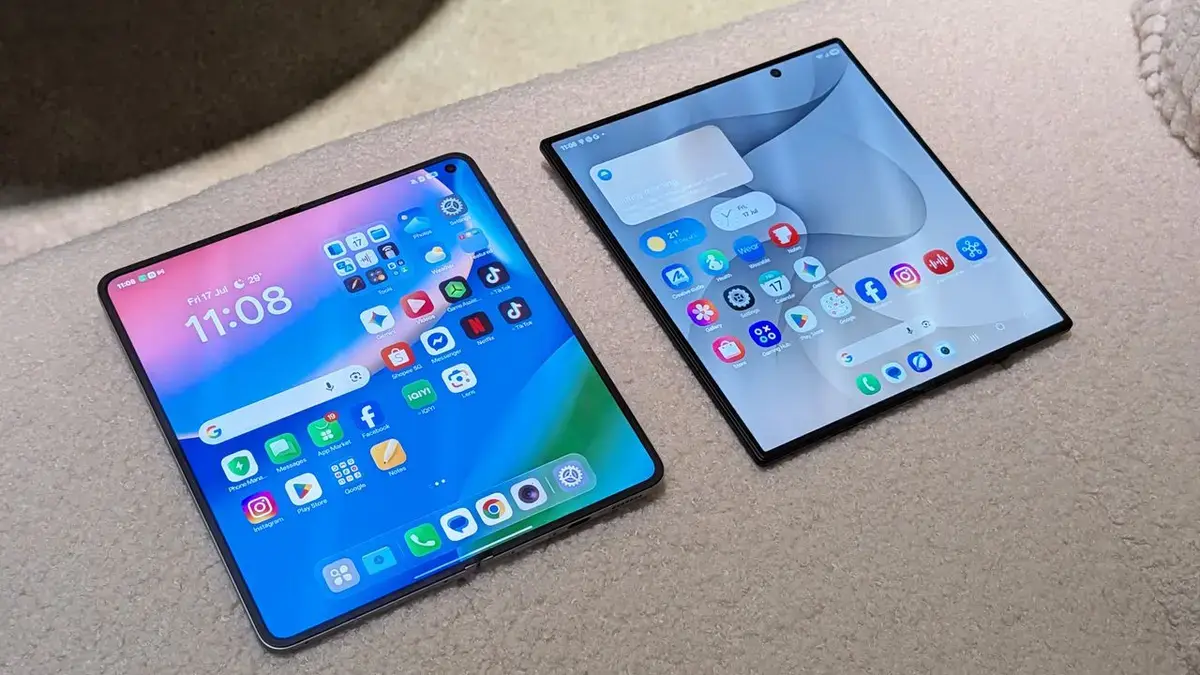
Titanium hinge: a tangible upgrade for foldables
The Samsung Galaxy Z Fold 8 Ultra arrived this week, boasting a new Flex Titanium display that promises smoother folds and stronger durability. Launched on July 26, 2026, the device targets premium foldable users while directly challenging Oppo’s recently unveiled Find N6, which claims a virtually crease‑free screen. Early hands‑on reviews highlight Samsung’s progress but note that the Oppo still leads in flatness.
Latest news
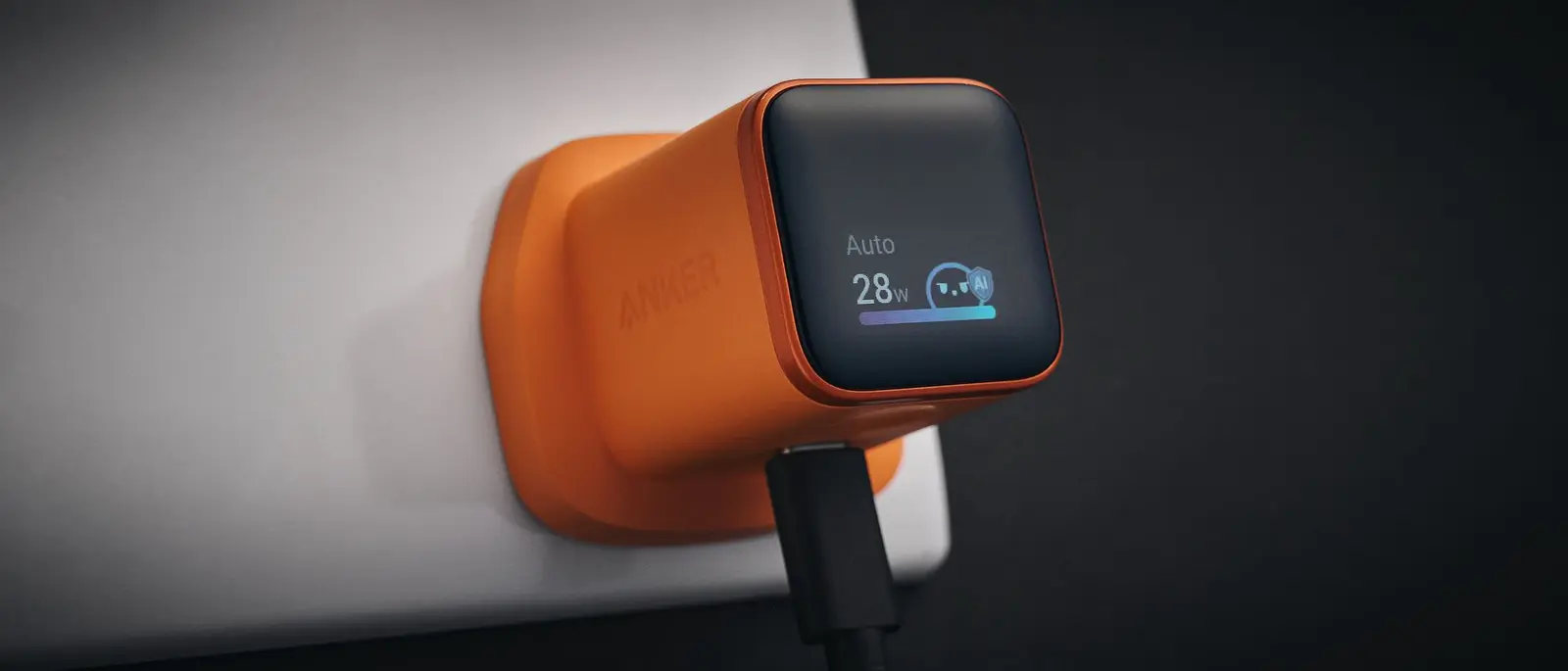 Anker Unveils Playful 45W Charger With Animated Face Display
 Google Docs Web Version Still Missing Native Dark Mode
 Anthropic-Linked Vulnerability Exploited From China, Targets US and Japan
 Text‑Based AI Agents: Your New Digital Assistants
Samsung’s engineers replaced the previous aluminum hinge with a titanium‑reinforced Flex system. The new hinge reduces friction, allowing the screen to open with a softer click and maintain a tighter seal when closed. This design also raises the device’s IP rating, offering better resistance to dust and water. However, despite the tighter seal, a faint line remains visible when the screen is fully unfolded, especially under bright light. Critics argue that the improvement is incremental rather than revolutionary.
The Flex Titanium mechanism is built from a lightweight titanium alloy that absorbs stress better than earlier metal hinges. Testers report a noticeably smoother opening motion, describing it as „almost buttery” compared to the choppier feel of the previous Z Fold 7. The hinge’s durability also appears enhanced; after a week of intensive use, no audible creaks or looseness were detected. Samsung markets this as a step toward longer‑lasting foldables, aiming to alleviate consumer concerns about hinge wear. Yet, the visible crease persists, reminding users that the fundamental challenge of folding glass remains unresolved.
Can Oppo’s Find N6 truly eliminate the fold crease?
Oppo’s Find N6 employs a polymer‑based flexible OLED that claims to flatten completely when unfolded, eliminating the traditional hinge line. Independent labs measured the screen’s flatness and recorded a crease depth of less than 0.1 mm, effectively invisible to the naked eye. Reviewers praised the seamless visual experience, noting that videos and games run without the distracting line that plagues most foldables. The trade‑off appears in battery capacity; the Find N6 houses a slightly smaller cell to accommodate the thinner panel, resulting in marginally lower endurance than Samsung’s flagship. Nonetheless, for users prioritizing an immaculate display, the Oppo currently holds the crown.
The rivalry underscores a pivotal moment for the foldable market. Samsung’s Flex Titanium demonstrates that incremental engineering can narrow the gap, but Oppo’s approach suggests a different path—rethinking materials to erase the crease entirely. As both brands iterate, consumers can expect faster opening speeds, stronger hinges, and ever‑thinner screens. The competition may soon push foldables into mainstream acceptance, with each launch narrowing the divide between novelty and everyday utility.
Frequently Asked Questions
What is the main advantage of Samsung’s Flex Titanium hinge? It reduces friction and improves durability, delivering a smoother opening experience and better resistance to dust and water.
Why does the Oppo Find N6 appear crease‑free? It uses a polymer‑based flexible OLED that flattens almost completely, minimizing the visible line when the screen is fully opened.
Will the crease issue be solved soon? Both manufacturers are investing in new materials and hinge designs, so a truly seamless foldable could appear within the next two to three years.
Comments
Leave a comment