
The Silicon Carbide Conundrum
Samsung's latest foldable phones, the Galaxy Z Fold 8 family, have arrived with a new battery material that brings both benefits and drawbacks. The devices feature silicon carbide batteries, a type of battery material that is more heat resistant. This change affects their durability.
Latest news
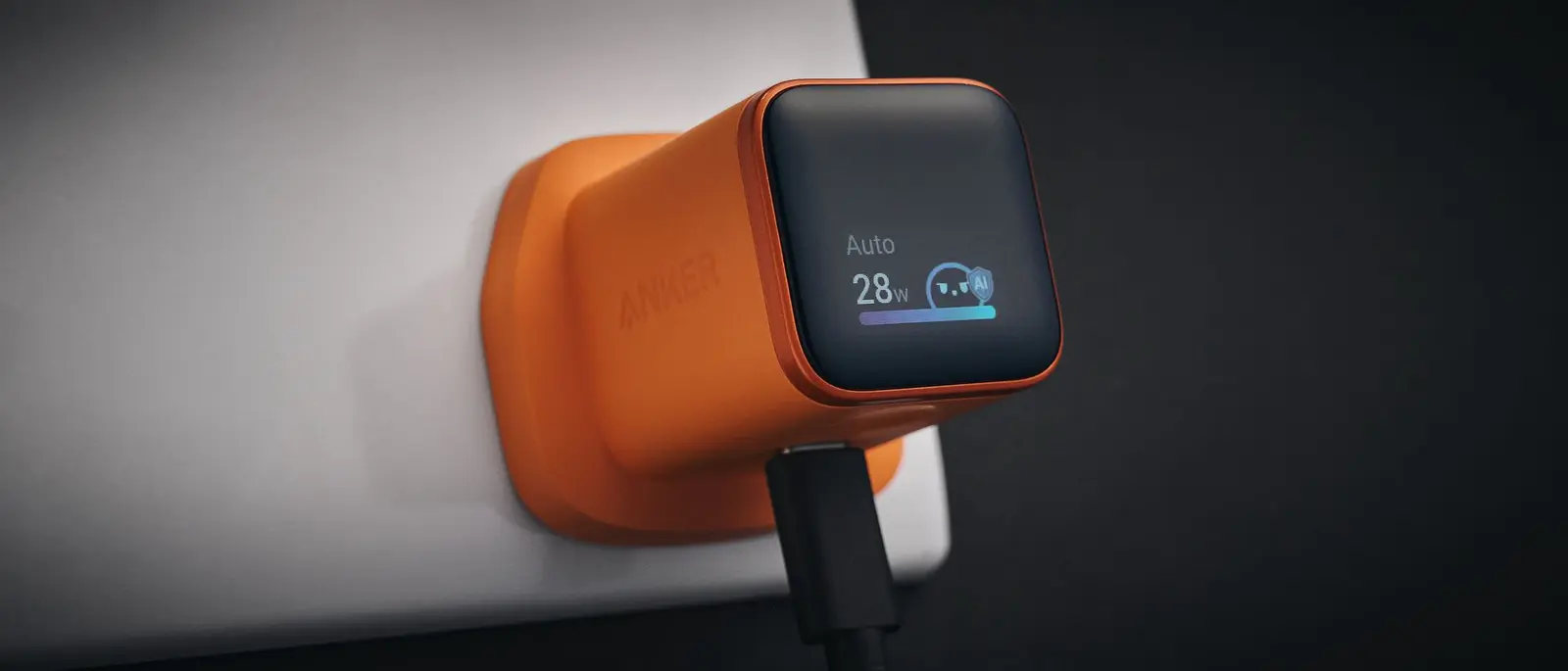 Anker Unveils Playful 45W Charger With Animated Face Display
 Google Docs Web Version Still Missing Native Dark Mode
 Anthropic-Linked Vulnerability Exploited From China, Targets US and Japan
 Text‑Based AI Agents: Your New Digital Assistants
The new battery material is designed to improve performance, particularly in terms of heat management. Samsung's decision to use silicon carbide batteries marks a significant shift in their battery technology. This change is intended to enhance the overall user experience.
Will Foldables Last Longer?
Silicon carbide batteries are known for their ability to withstand higher temperatures, making them a potentially more reliable option. However, this comes at a cost. The lifespan of these batteries, in terms of charge cycles, may be reduced compared to previous models. As a result, users may need to recharge their devices more frequently over time.
The trade-off between heat resistance and battery lifespan is a critical consideration for consumers. While the new material offers improved performance in certain areas, it may not be the best choice for users who prioritize battery longevity.
Frequently Asked Questions
The long-term implications of this new battery technology remain to be seen. As users begin to test the limits of their devices, it will become clearer how the silicon carbide batteries perform in real-world conditions.
The introduction of silicon carbide batteries in Samsung's latest foldables represents a significant development in the company's battery technology. As the industry continues to evolve, it is likely that manufacturers will need to balance competing demands for performance, durability, and battery life.
Comments
Leave a comment