Navigating the Endless Stream of Biometrics
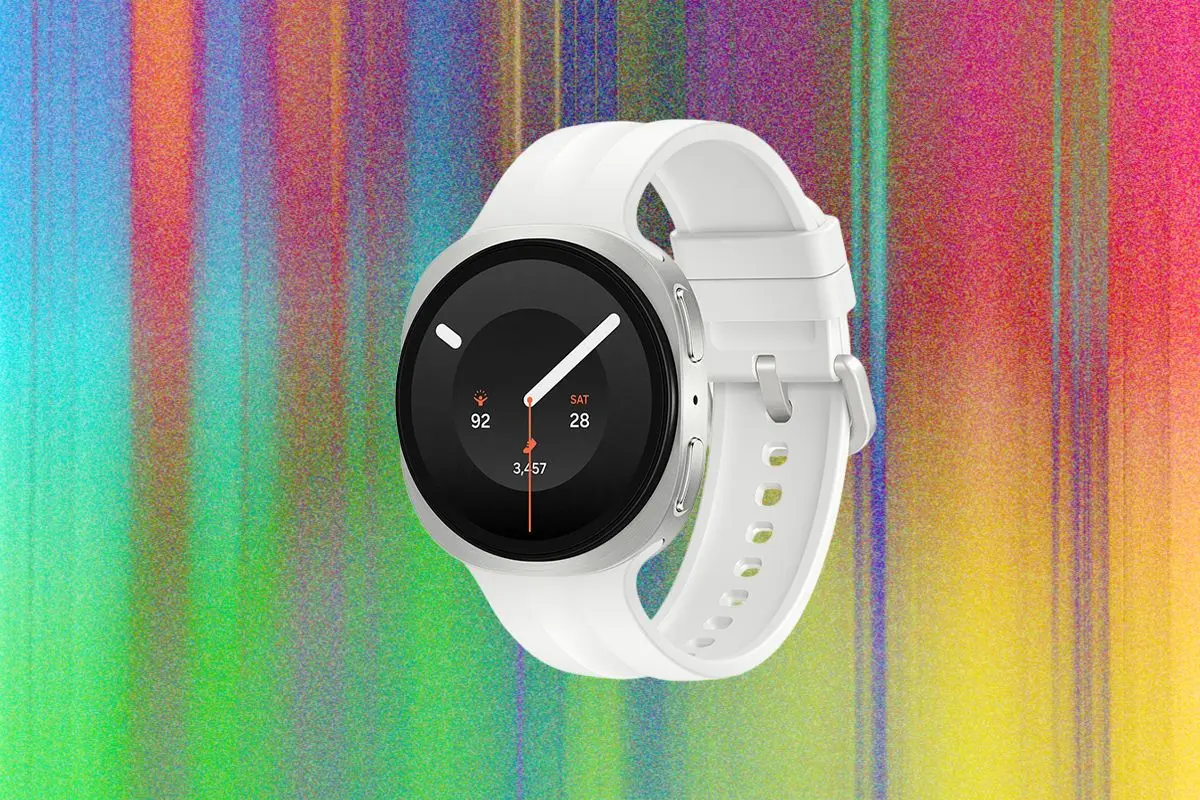
Samsung has released its latest wearable device, the Galaxy Watch 9, bringing fresh fitness metrics to an already crowded marketplace. Rather than simplifying the user experience, the new hardware doubles down on quantification. Buyers now face an even greater mountain of daily statistics and wellness scores.
Latest news
 Why the Rumored iPhone Duo Excites Android Foldable Fans
 AMD's Canceled Ryzen 9 5900X3D Leaks Online
 California Subpoenas OpenAI Over Autonomous AI Hacking Risks
 Nvidia-Backed UK Supercomputer Faces Multi-Year Power Delay
The newly introduced software aims to capture every possible detail of daily movement and recovery. Engineers packed the chassis with advanced sensors to monitor physical exertion. However, the sheer volume of numbers risks overwhelming casual users who simply want basic activity tracking.
Is More Information Always Better for Users?
Wearable technology has shifted dramatically from simple step counting to comprehensive physiological monitoring. The newest Samsung release embraces this trend fully, tracking everything from sleep quality to complex cardiovascular indicators. Yet, acquiring more data does not automatically translate into better health outcomes or a superior user experience.
Many owners find themselves drowning in notifications about their daily readiness and stress levels. Instead of motivating positive lifestyle habits, the constant stream of grades can create unnecessary anxiety. The device excels at data collection, but it often struggles to explain what users should actually do with those insights.
The core dilemma of modern smartwatches lies in the balance between depth and simplicity. Samsung continues to add layers of advanced metrics without refining how they are presented to the wearer. Users are left to decipher complex scores independently rather than receiving clear, actionable advice.
Frequently Asked Questions
This strategy might appeal strictly to hardcore data enthusiasts and elite athletes. For the average consumer, however, the barrage of measurements feels more like a chore than a benefit. Future updates must focus on meaningful synthesis rather than endless metric expansion.
Q: Who is this smartwatch best suited for? A: It appeals mainly to data enthusiasts who enjoy analyzing detailed biometrics rather than casual users.
Comments
Leave a comment