
Intentional Design Versus Manufacturing Flaw
Samsung has officially addressed widespread concerns regarding the Galaxy Z Fold 8 display. The company states that the inward bending of the screen corners is an intentional design feature rather than a manufacturing defect. This clarification follows a surge of online complaints from early adopters who noticed the unusual behavior during initial testing phases.
Latest news
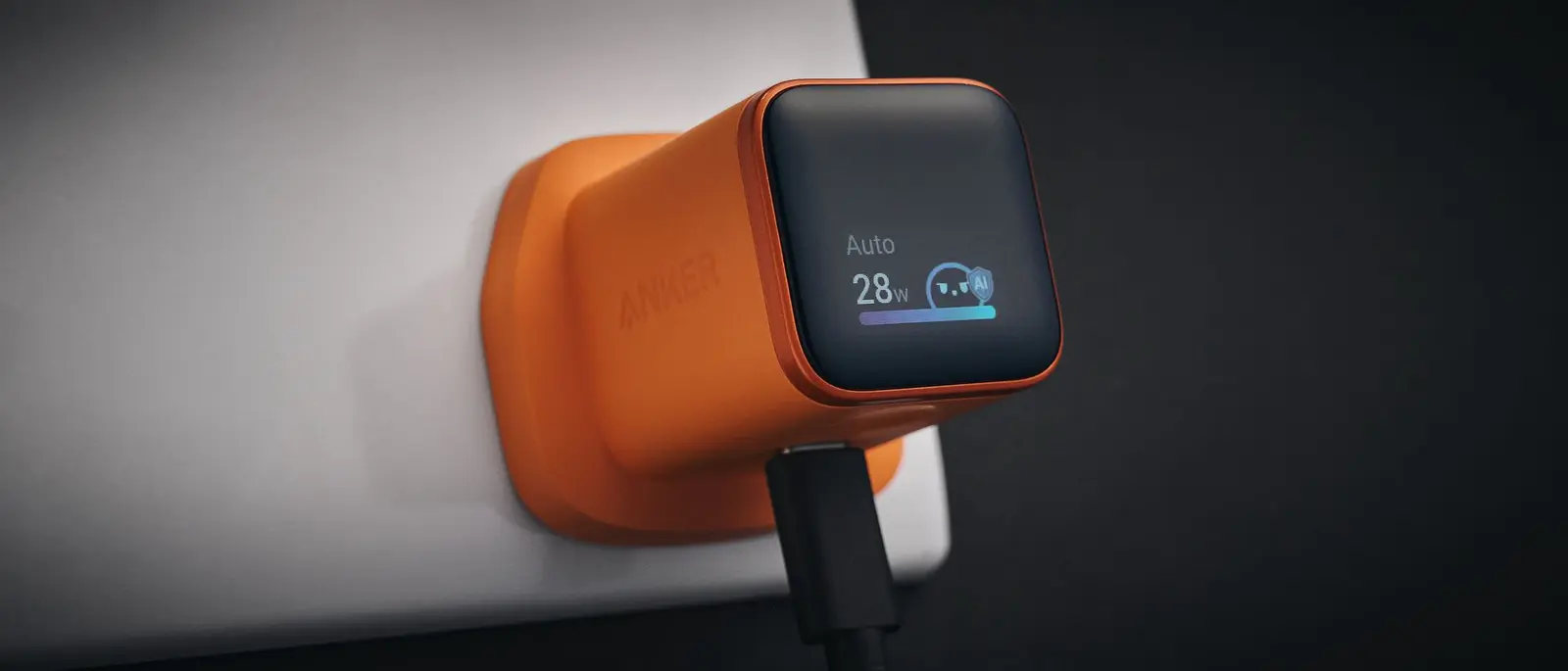 Anker Unveils Playful 45W Charger With Animated Face Display
 Google Docs Web Version Still Missing Native Dark Mode
 Anthropic-Linked Vulnerability Exploited From China, Targets US and Japan
 Text‑Based AI Agents: Your New Digital Assistants
The reaction across digital platforms has been intense. Users on Reddit, Samsung’s official community forums, and various social media channels have flooded the internet with reports. Many owners claimed the display corners could be pushed inward with relative ease. This observation sparked a wave of skeptical headlines and viral posts questioning the device's structural integrity. Critics argued that such flexibility indicated a potential quality control oversight in the production line.
Samsung responded to the growing noise by confirming the flexing mechanism is part of the intended engineering. The manufacturer explained that the specific geometry of the hinge and display assembly allows for minor deformation under pressure. This design choice aims to absorb stress and prevent cracking during normal folding cycles. By allowing the corners to yield slightly, the device maintains its durability over thousands of uses. The company emphasized that this characteristic distinguishes the new model from previous iterations in terms of material resilience.
Does Corner Flexibility Affect Long-Term Durability?
The debate highlights the challenges of marketing foldable technology to a skeptical consumer base. Early adopters often scrutinize every aspect of the hardware, looking for signs of compromise. When a component behaves unexpectedly, even if it is functional, users tend to interpret it as a flaw. Samsung’s statement serves to reset expectations, guiding buyers to understand what constitutes normal operation versus actual damage. This transparency helps reduce anxiety among those who have just purchased the flagship smartphone.
The primary concern remains whether this flexibility impacts the device's lifespan. Samsung asserts that the inward bend does not compromise the OLED layer or the underlying circuitry. The materials used in the Z Fold 8 are engineered to return to their original shape after pressure is released. Engineers noted that the tolerance range is strictly controlled to ensure consistent performance. While some users remain unconvinced, the official backing provides reassurance for the broader market.
The outcome of this controversy will shape future marketing strategies for foldable devices. Manufacturers may need to proactively demonstrate these features before launch to manage public perception. For now, the Galaxy Z Fold 8 stands as a testament to evolving engineering standards. Consumers should monitor their devices for any persistent creases or discoloration, which would indicate genuine issues beyond the designed flexibility. The industry continues to refine these mechanisms, balancing thinness with robust structural support.
Frequently Asked Questions
Is the inward bending of the Galaxy Z Fold 8 screen a defect? No, Samsung confirms this is an intentional design element. The corners are engineered to flex slightly to absorb mechanical stress during use.
How many times can the device be folded safely? The device is built to withstand thousands of folding cycles. The flexible corner design supports this longevity by preventing rigid breakage points.
Should I worry about the screen getting permanently bent? The display is designed to spring back into place after pressure is applied. Permanent deformation only occurs if the force exceeds the specified safety limits.
Comments
Leave a comment