From Nostalgia to Necessity: Why Physical Media is Returning
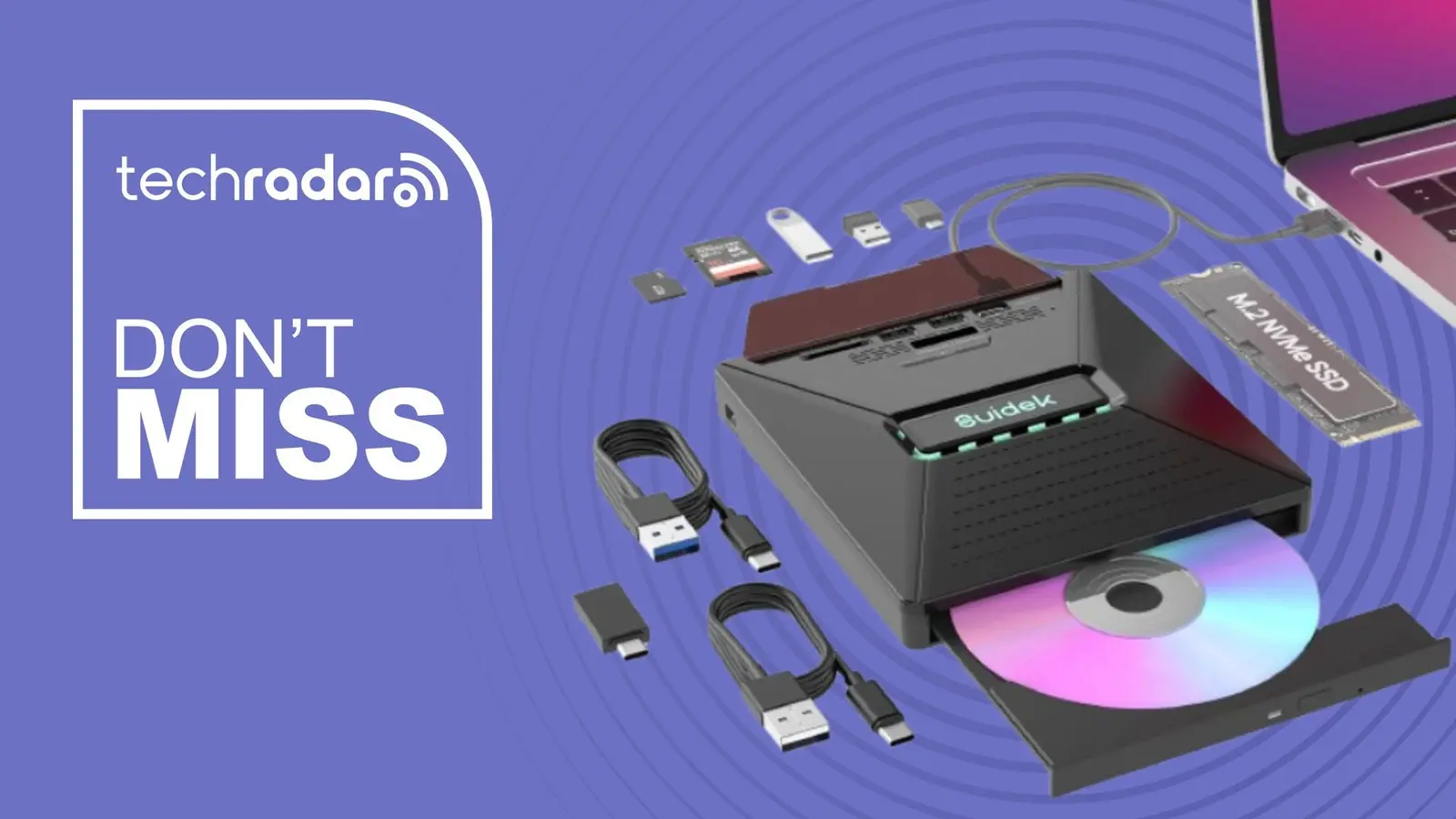
A new gadget is turning heads in the tech community as physical media returns to prominence. Suidek has unveiled a 7‑in‑1 hub that combines a CD/DVD writer, an M.2 NVMe slot, SD and microSD readers, and dual USB‑C ports. The device, priced at $45 on Amazon, offers a surprising blend of legacy and modern storage solutions.
Latest news
 Major AI firms recorded peak lobbying expenses last summer
 Apple Magic Keyboards for iPad Drop to Half Price at Woot
 Microsoft Provides Fix for Broken Exchange Online Apps
 Security Breach at AI Aggregator Exposes 18 Million Files and Private Chats
The hub packs a 10 Gbps M.2 NVMe interface alongside a built‑in DVD‑RW drive. Users can write and read CDs, DVDs, and Blu‑R discs while simultaneously accessing high‑speed NVMe SSDs. The addition of SD and microSD readers expands compatibility with cameras and smartphones. Two USB‑C ports provide extra connectivity for external devices or charging.
Is a 7‑in‑1 Hub Worth the Price?
Suidek’s design targets consumers who value both old‑school media and fast storage. „We wanted to create a bridge between the past and the future,” said a company spokesperson. The product’s compact size and low price make it attractive for home theaters, archival projects, and hobbyists who still rely on optical media. The 10 Gbps NVMe slot ensures that the hub does not become a bottleneck for modern data transfer speeds.
The resurgence of physical media is driven by several factors. Archival preservation remains a priority for libraries, museums, and businesses that need durable, tamper‑proof copies of important documents. DVDs and CDs offer a level of permanence that cloud storage cannot guarantee. Additionally, the cost of optical drives has fallen dramatically, making them more accessible to everyday users. The Suidek hub taps into this trend by providing a single, affordable solution that supports both legacy and contemporary media.
What Happens to the Future of Storage?
Users can now copy a DVD to an NVMe SSD in seconds, then archive the original disc for long‑term storage. The dual USB‑C ports allow simultaneous connection of a phone and a laptop, facilitating quick data transfer without multiple cables. The built‑in SD readers are ideal for photographers who need to back up images on the go. The hub’s versatility positions it as a one‑stop shop for anyone who still uses optical discs.
At $45, the hub offers a compelling value proposition. Competitors that provide separate DVD writers or NVMe enclosures typically cost double or triple that amount. The device’s low price point makes it accessible to students, small businesses, and tech enthusiasts. However, the product’s performance depends on the host system’s compatibility. Users with older motherboards may need an adapter to support the 10 Gbps M.2 slot. The hub’s reliability has been tested in small batches, with no reports of data loss or hardware failure.
Frequently Asked Questions
The device’s design also raises questions about longevity. Optical drives are known to fail after extensive use, and the hub’s integrated components could become a single point of failure. Nevertheless, the ability to write and read multiple media types in one unit outweighs these concerns for many users. The hub’s compact footprint and low power consumption further add to its appeal.
The Suidek hub exemplifies a broader shift toward hybrid storage solutions. As cloud services face bandwidth and privacy concerns, consumers are increasingly turning to physical media for backup. The combination of optical drives with high‑speed SSDs offers a balance between durability and speed. If the trend continues, we may see more devices that merge legacy interfaces with modern storage technologies. The $45 price point could set a new standard for affordable, multi‑purpose storage hubs.
Comments
Leave a comment