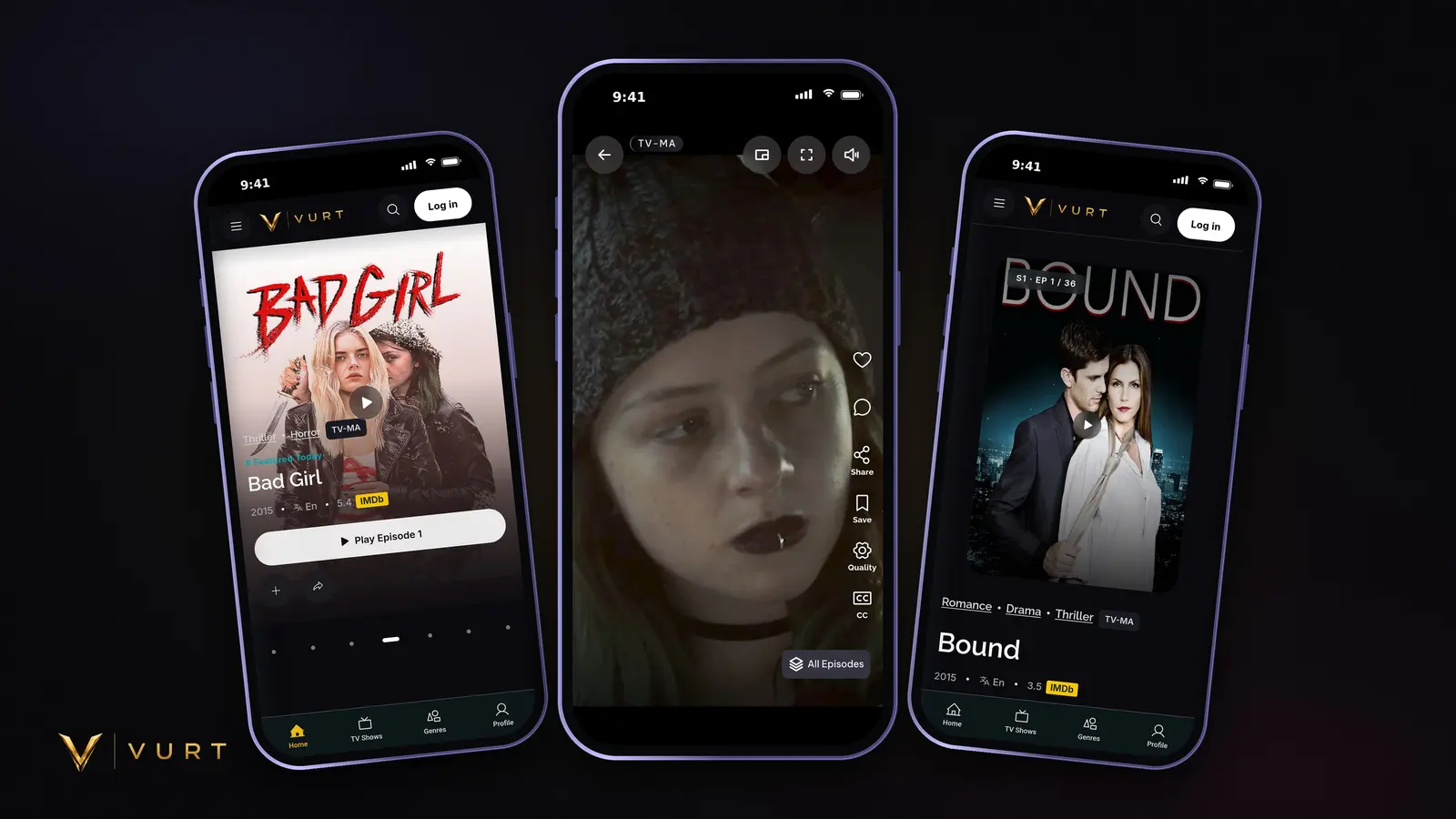
The Evolution of Mobile Storytelling
Major streaming platforms are currently experimenting with vertical video formats. A new platform called Vurt aims to elevate this format into a distinct artistic genre rather than a mere social media novelty. Traditional Hollywood giants and streaming services have slowly embraced vertical content, but Vurt treats the smartphone screen as a primary canvas for narrative storytelling.
Latest news
 Major AI firms recorded peak lobbying expenses last summer
 Apple Magic Keyboards for iPad Drop to Half Price at Woot
 Microsoft Provides Fix for Broken Exchange Online Apps
 Security Breach at AI Aggregator Exposes 18 Million Files and Private Chats
The shift toward vertical framing challenges traditional cinematic conventions that have dominated film and television for over a century. Creators must rethink composition, pacing, and framing to deliver compelling dramas and comedies within a narrow aspect ratio. While platforms like TikTok and Instagram popularized short vertical clips, Vurt focuses on structured, high-production storytelling specifically built for mobile viewing habits.
Streaming giants from Disney Plus to HBO Max have tested vertical integrations to capture younger, mobile-first audiences. Despite these attempts, content often feels like repurposed horizontal footage rather than native mobile art. Vurt pushes past this limitation by encouraging creators to build entire narratives from the ground up using vertical geometry.
Will Traditional Studios Embrace Portrait Screens?
Cinematographers face unique technical hurdles when abandoning the traditional widescreen landscape. Close-ups become more intimate, while landscape shots require entirely new compositional strategies to maintain visual interest. This creative constraint forces directors to innovate rapidly, establishing a fresh visual language for the digital age.
The commercial viability of dedicated vertical streaming remains a central question for industry executives and independent creators alike. As mobile devices become our primary screens for media consumption, the demand for native vertical content is bound to accelerate. Vurt positions itself at the forefront of this shift, testing whether audiences will pay for premium vertical entertainment.
Frequently Asked Questions
Industry observers note that viewer habits are shifting permanently toward portrait-oriented media experiences. If Vurt succeeds in proving that vertical video is a legitimate standalone genre, major studios may radically alter how they commission and shoot future projects.
What makes Vurt different from other video apps? Vurt treats vertical video as a standalone artistic genre rather than just a tool for short social media clips. It focuses on premium, structured narratives built natively for the portrait screen.
Why are streaming giants experimenting with vertical video? Major platforms want to capture younger, mobile-first audiences who increasingly consume all their entertainment on smartphones.
Comments
Leave a comment