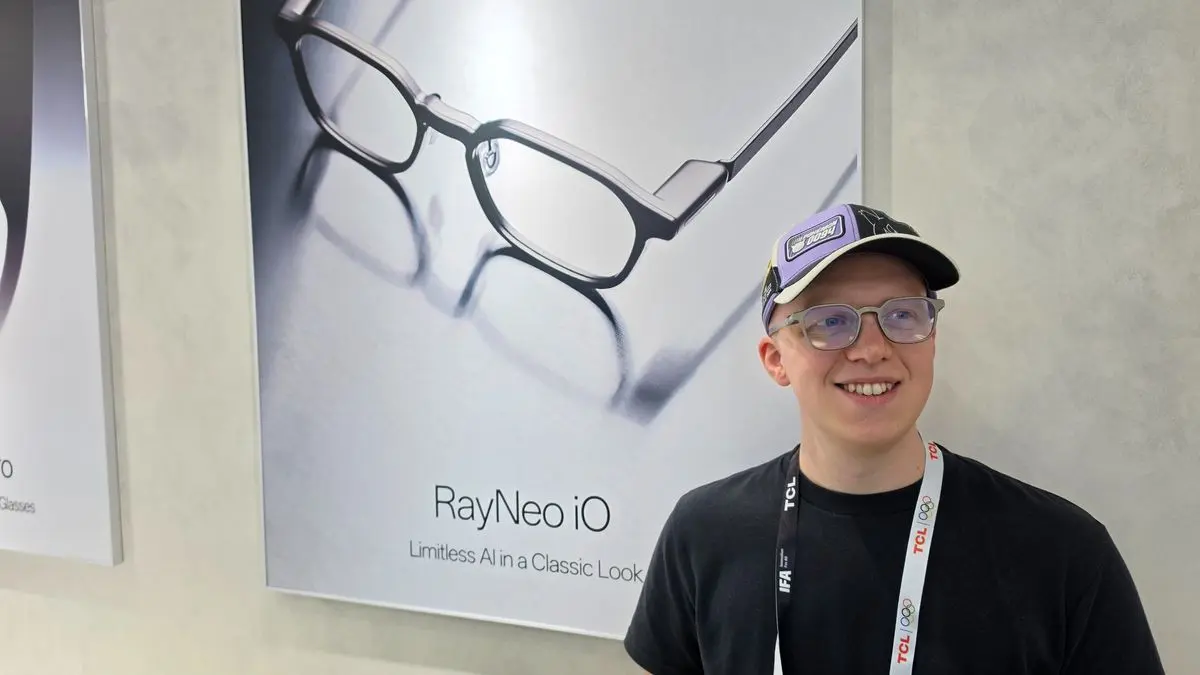
Open Architecture Redefines Wearable Utility
RayNeo has introduced a new feature for its iO camera-free smart glasses that mirrors the upcoming Siri Recap tool on Apple Watch. This update allows users to receive automated summaries of their day without relying on a specific AI provider. The company aims to make this functionality accessible across various platforms, breaking away from exclusive ecosystem ties. This move positions the device as a versatile companion for modern digital life. It targets consumers who want efficiency without being locked into a single tech brand. The launch highlights a growing trend toward open standards in wearable technology.
Latest news
 Why the Rumored iPhone Duo Excites Android Foldable Fans
 AMD's Canceled Ryzen 9 5900X3D Leaks Online
 California Subpoenas OpenAI Over Autonomous AI Hacking Risks
 Nvidia-Backed UK Supercomputer Faces Multi-Year Power Delay
The core innovation lies in its AI-agnostic design. Unlike many competitors that require proprietary models, RayNeo’s system works with multiple artificial intelligence engines. This flexibility lets users choose their preferred AI service for generating daily recaps. The feature analyzes interactions and activities to produce concise overviews. Users can review key moments and tasks at a glance. This approach reduces friction for those using mixed-device ecosystems. It ensures that the summary tool remains useful regardless of the user’s primary operating system. The technology focuses on privacy and speed, processing data efficiently to deliver timely insights.
The decision to support multiple AI backends is a strategic departure from industry norms. Most smart glasses currently rely on a single vendor’s cloud infrastructure. By adopting an agnostic model, RayNeo invites broader compatibility. Developers can integrate their own tools into the platform. This openness may accelerate third-party adoption and customization. Users benefit from the ability to switch providers based on performance or cost. The hardware remains lightweight and unobtrusive, consistent with the iO line’s design philosophy. No camera means less visual data collection, enhancing user comfort. The focus shifts entirely to audio and sensor-based context awareness. This creates a distinct niche in the crowded AR market.
Does Agnosticism Compromise User Experience?
Critics might argue that managing multiple AI connections adds complexity. However, RayNeo claims the interface simplifies the process significantly. The system automatically selects the best available engine for each task. Users do not need to manually configure settings for every session. This seamless integration addresses common complaints about fragmented smart devices. Early testers report that the recap accuracy meets high standards. The feature generates clear, actionable summaries within seconds. It captures meetings, reminders, and personal notes effectively. The lack of a camera ensures that the device feels less like a surveillance tool. This psychological factor encourages longer daily wear times. The balance between capability and discretion appears well-calibrated.
The introduction of this feature signals a shift in how wearables handle data. Companies are moving beyond closed gardens to embrace interoperability. RayNeo’s strategy could pressure rivals to adopt similar open frameworks. Consumers gain more control over their digital assistants. As AI models evolve rapidly, agnostic hardware remains relevant longer. This adaptability protects the user’s investment in the device. The market will watch closely to see if other brands follow suit. Success depends on maintaining reliability across diverse AI services. If the execution holds, camera-free glasses may become mainstream accessories. The future of personal computing looks increasingly modular and flexible.
Frequently Asked Questions
Does the iO glasses require a specific AI subscription? No, the system supports multiple AI providers. Users can connect their existing accounts or choose a new service. This flexibility avoids long-term lock-in costs.
How does the recap feature work without a camera? It relies on audio sensors and motion data. The AI processes these inputs to identify key events. Visual context is not required for accurate summaries.
Is the device compatible with non-Apple phones? Yes, the AI-agnostic design supports major mobile operating systems. Users can pair the glasses with Android or iOS devices. Connectivity remains stable across different platforms.
Comments
Leave a comment