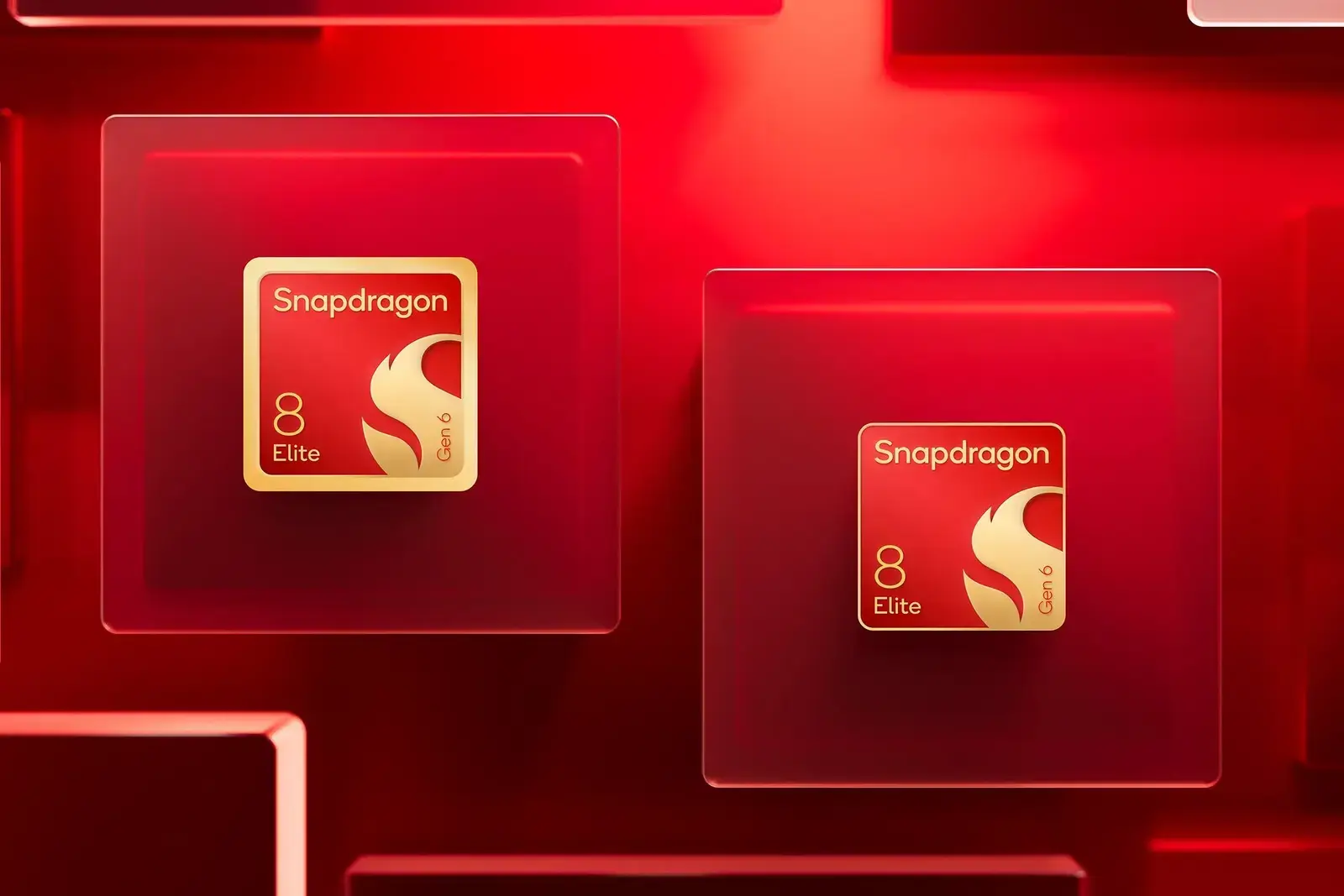
Strategic Tiering for High-End Mobile Hardware
Qualcomm has officially introduced its next-generation mobile processor lineup, featuring the Snapdragon 8 Elite Gen 6. The announcement includes a high-performance variant known as the 8 Elite Extreme Gen 6. These chips are designed to power upcoming flagship smartphones and other advanced mobile devices. The release marks a significant step in the company's ongoing strategy to enhance computational efficiency and raw processing speed for the global consumer market.
Latest news
 Minisforum Unveils High‑End Ryzen AI Max+ PRO 495 Workstation
 NASA Eyes Revival of SR‑71 Blackbird
 My Home Wi‑Fi Was Crowded by 14 Neighbors—A Free App Helped Me Find a Clear Channel
 YouTube is tightening rules for low-effort Shorts
The new chipset architecture focuses on delivering superior performance per watt. This approach aims to extend battery life while handling demanding tasks such as gaming and artificial intelligence workloads. By introducing two distinct tiers, Qualcomm allows device manufacturers to select the precise level of power required for their specific hardware designs. This segmentation helps balance cost efficiency with peak performance capabilities across different product categories.
The distinction between the standard Elite and the Extreme version is crucial for modern smartphone engineering. The Extreme model likely targets the absolute top end of the market, where users demand maximum graphical fidelity and rapid AI inference speeds. Meanwhile, the standard Elite Gen 6 serves as a robust option for premium devices that prioritize thermal management and energy conservation. This dual-release strategy ensures that brands can differentiate their products without relying on a single chip design for all flagship models.
How Does the Extreme Variant Differ From Standard?
Manufacturers often wait for these announcements to finalize their hardware roadmaps. With the chip specifications now public, partners can begin testing integration into their latest prototypes. The focus on extreme performance suggests that future devices will push the boundaries of what mobile processors can achieve in real-time rendering and complex data processing. This shift indicates a broader industry trend toward specialized silicon solutions tailored for intensive user experiences.
The Extremedesignation typically implies higher clock speeds, enhanced cooling requirements, or additional dedicated neural processing units. While exact technical benchmarks remain under manufacturer control, the naming convention signals a clear hierarchy in performance output. Users seeking the most powerful mobile experience will gravitate toward devices equipped with the Extreme chip. Conversely, those prioritizing longevity and moderate usage patterns may find the standard Elite Gen 6 more suitable for their daily needs.
Frequently Asked Questions
When will devices with Snapdragon 8 Elite Gen 6 launch? Specific launch dates depend on individual phone manufacturers. Most flagship models typically debut in late autumn or early winter following the chip announcement.
Is the Extreme version significantly faster than the standard Elite? Yes, the Extreme variant is engineered for peak performance scenarios. It likely offers higher sustained clock rates and improved thermal headroom compared to the standard model.
Which types of devices will use these new chips? These processors are primarily intended for flagship smartphones and high-end tablets. They may also appear in certain premium wearable technology and portable gaming devices.
Comments
Leave a comment