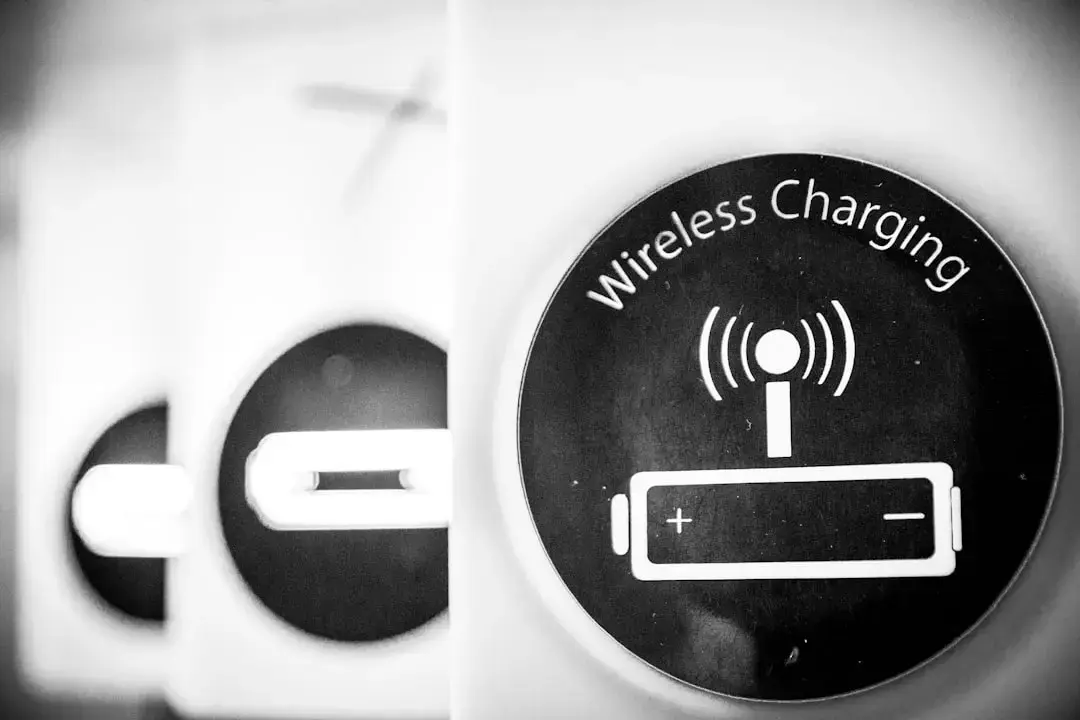
Thermal Performance and Charging Duration
Google released the Pixel 11 Pro XL in September 2026. The flagship phone features a new 25W wireless charging system. Users can now charge their devices without cables. However, the speed remains a major point of contention among tech reviewers. The phone also generates significant heat during the process. This combination of slowness and temperature rise creates a frustrating user experience. Many owners feel the upgrade does not justify the premium price tag. The technology lags behind competitors in the high-end smartphone market.
Latest news
 Anker Unveils Playful 45W Charger With Animated Face Display
 Google Docs Web Version Still Missing Native Dark Mode
 Anthropic-Linked Vulnerability Exploited From China, Targets US and Japan
 Text‑Based AI Agents: Your New Digital Assistants
The new PixelSnap system improves the physical alignment of the phone on charging pads. This magnet-like attachment ensures a stable connection every time. Despite this mechanical improvement, the energy transfer rate is disappointing. The 25W output is the maximum speed available for wireless charging on this model. It takes a considerable amount of time to reach a full battery. The device heats up noticeably while sitting on the charger. This thermal behavior is a common complaint in user forums.
Does the Speed Justify the Cost?
The heating issue is not trivial for daily use. Sustained high temperatures can degrade battery health over time. Google has not released specific thermal data for the Pixel 11 Pro XL. Independent tests show the back panel becoming uncomfortably warm. This heat is generated by the charging coil and internal components. The phone slows down its charging rate to manage temperature. This throttling extends the total time required to charge. Users who rely on overnight charging may not notice the delay. However, those who need a quick top-up will find the process inefficient. The lack of faster wireless options puts the Pixel at a disadvantage.
The price of the Pixel 11 Pro XL is high. Buyers expect top-tier performance in all areas, including charging. Competitors offer faster wireless charging speeds in similar price brackets. This gap makes the Pixel feel outdated in this specific feature. The PixelSnap convenience is a genuine benefit for alignment. It prevents misaligned charging issues that plagued previous models. Yet, the core function of transferring power remains sluggish. The trade-off between stability and speed is difficult to accept. Most users prefer a faster charge even if alignment is manual. The current implementation fails to deliver a compelling advantage.
How fast is the wireless charging on the Pixel 11 Pro XL? The phone supports a maximum of 25W wireless charging. This is slower than many competing flagship devices. The speed is limited by thermal constraints during use.
Frequently Asked Questions
Does the PixelSnap feature improve charging speed? No, PixelSnap only improves physical alignment. It does not increase the wattage or speed of the charge. It ensures the phone stays on the pad correctly.
Is the phone safe to charge wirelessly? The phone is safe but runs hot. The system throttles speed to prevent overheating. Users should avoid using the phone while it is charging.
Comments
Leave a comment