
However, Meta says the trade-off improves battery life and reduces user anxiety
At Meta's Connect 2026 event, CEO Mark Zuckerberg introduced several new wearable devices, including a camera-free version of smart glasses and a slimmer VR headset. The announcements took place during the annual developer conference held online and in Menlo Park, California. Zuckerberg emphasized privacy and everyday usability as key drivers behind the new product line. The camera-free glasses, developed in partnership with Ray-Ban, aim to address concerns about surveillance and data collection often associated with wearable tech. By removing the camera, Meta positions these glasses as a more socially acceptable option for audio features, voice assistance, and augmented reality overlays. The device retains open-ear audio and touch controls while relying on smartphone pairing for processing power. How Does the Camera-Free Design Affect Functionality? Without a camera, the glasses cannot capture photos or video, limiting some AR experiences that rely on environmental scanning.
Latest news
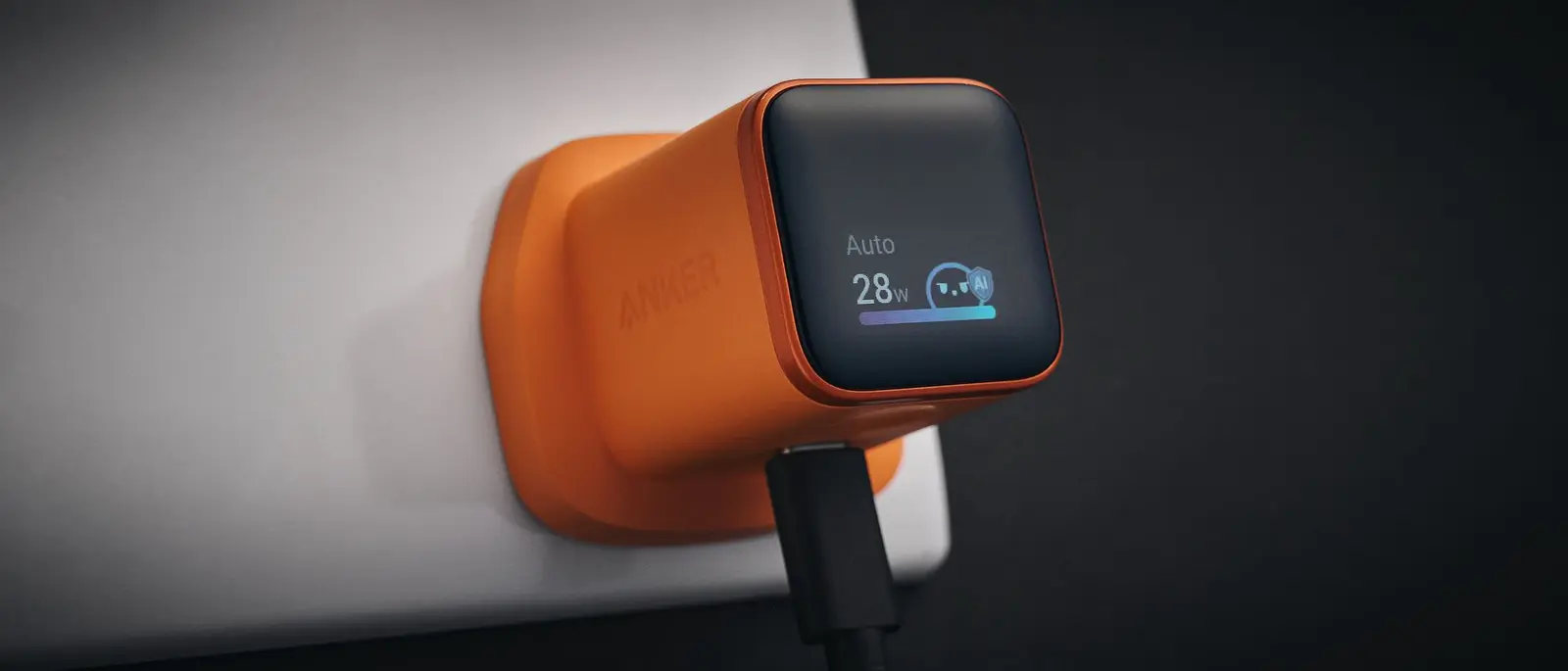 Anker Unveils Playful 45W Charger With Animated Face Display
 Google Docs Web Version Still Missing Native Dark Mode
 Anthropic-Linked Vulnerability Exploited From China, Targets US and Japan
 Text‑Based AI Agents: Your New Digital Assistants
However, Meta says the trade-off improves battery life and reduces user anxiety in public spaces. The glasses still support spatial audio, real-time translation, and contextual alerts through AI-powered voice commands. Zuckerberg noted that user feedback highlighted discomfort with always-on cameras, prompting this shift in design philosophy. What Are the Specifications and Pricing for the New Models? The Ray-Ban Meta Audio glasses start at $299, featuring up to six hours of battery life and IPX4 water resistance. The slimmed-down VR headset, positioned as a competitor to lightweight standalone viewers, weighs 180 grams and offers 90 Hz refresh rate displays. Both devices integrate with Meta's Horizon OS and support third-party apps via the Meta Quest Store. Pre-orders begin October 1, with general availability expected in early November. Frequently Asked Questions Are the camera-free glasses still capable of augmented reality?
Yes, they deliver AR overlays using location data, voice input, and smartphone sensors, though they lack environmental understanding features like object recognition or spatial mapping found in camera-equipped models. Do the new glasses require a Meta account to function? Initial setup requires a Meta account for device pairing and software updates, but core audio and voice features can operate independently afterward with Bluetooth-connected smartphones. Is the slim VR headset compatible with existing Quest accessories? Yes, it supports the same controllers, charging docks, and facial interfaces as the Quest 3, ensuring accessory continuity for current Meta ecosystem users.
Comments
Leave a comment