
How Developers Can Use the Muse Codebase
Meta has released open source code enabling developers to build their own Muse AI-powered gadgets, expanding access to its latest artificial intelligence agent. The announcement, made through Meta's developer channels, allows creators to integrate the Muse agent into custom hardware projects without relying on proprietary systems. This move aims to foster innovation by providing tools for building personalized AI devices that leverage Meta's advancements in generative and interactive AI.
Latest news
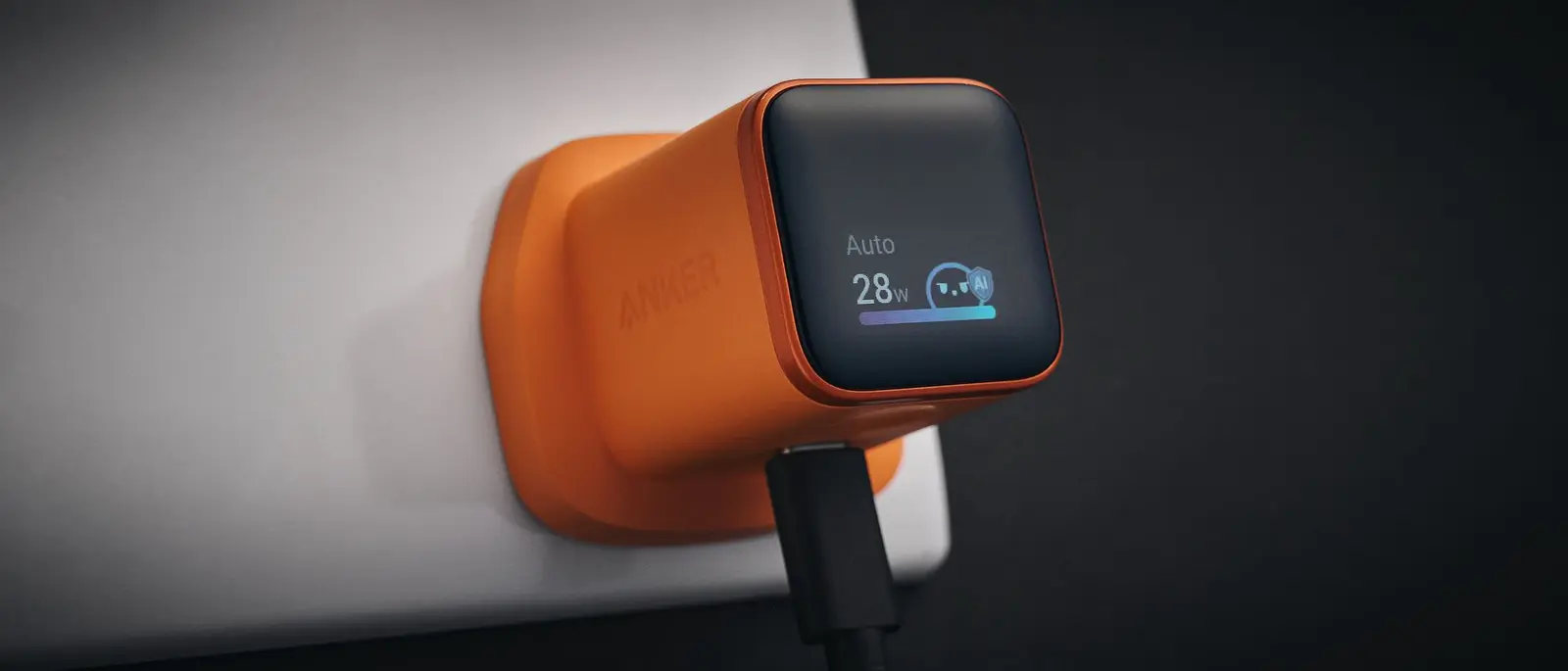 Anker Unveils Playful 45W Charger With Animated Face Display
 Google Docs Web Version Still Missing Native Dark Mode
 Anthropic-Linked Vulnerability Exploited From China, Targets US and Japan
 Text‑Based AI Agents: Your New Digital Assistants
The released code includes software development kits, documentation, and example implementations designed to work with Muse's core capabilities. Muse, Meta's new AI agent, focuses on understanding context, generating responses, and adapting to user interactions across devices. By open sourcing the foundation, Meta seeks to lower barriers for hobbyists, startups, and researchers interested in experimenting with AI-integrated hardware. The company emphasizes that the code supports various input methods and output formats, allowing flexibility in gadget design.
What Are the Limitations of the Open Source Release?
Developers can download the code from Meta's public repositories and modify it to suit specific gadget concepts, such as voice-controlled assistants, interactive displays, or wearable tech. The framework handles communication between the device and Muse's AI models, managing tasks like prompt processing and response delivery. Meta notes that while the code provides the software layer, builders are responsible for sourcing compatible hardware components like microphones, speakers, and microcontrollers. Early adopters have already begun prototyping gadgets for home automation and educational tools using the released resources.
Meta clarifies that the open source code does not grant access to the training data or underlying model weights of Muse itself. Developers must connect their gadgets to Meta's hosted AI services to utilize the agent's full functionality, meaning ongoing reliance on Meta's infrastructure. The company states this approach balances openness with operational control, ensuring consistent performance and safety measures. Additionally, the license includes usage guidelines prohibiting harmful applications, though enforcement relies on community adherence and Meta's service terms.
What hardware is required to build a Muse gadget? Developers need standard components like a processor capable of running the code, audio input/output modules, and connectivity options such as Wi-Fi or Bluetooth. Specific recommendations depend on the intended gadget complexity and use case.
Frequently Asked Questions
Can the Muse AI be used offline with this code? No, the open source code facilitates communication with Meta's cloud-hosted Muse models; offline operation is not supported as the AI processing occurs on Meta's servers.
Is there a cost to use the Muse AI agent through these gadgets? While the code is free, accessing Muse's AI services may involve usage fees or quotas defined by Meta's developer policies, which creators should review before deployment.
Comments
Leave a comment