
Judicial Inquiry Into Settlement Terms
Federal Judge Mark Pittman has requested specific details regarding the potential agreements that prompted Elon Musk’s companies to withdraw their antitrust claims against Apple. This judicial inquiry follows a recent filing where Musk’s entities sought to exit the legal battle. The move signals a significant shift in the high-stakes technology litigation landscape.
Latest news
 Anker Unveils Playful 45W Charger With Animated Face Display
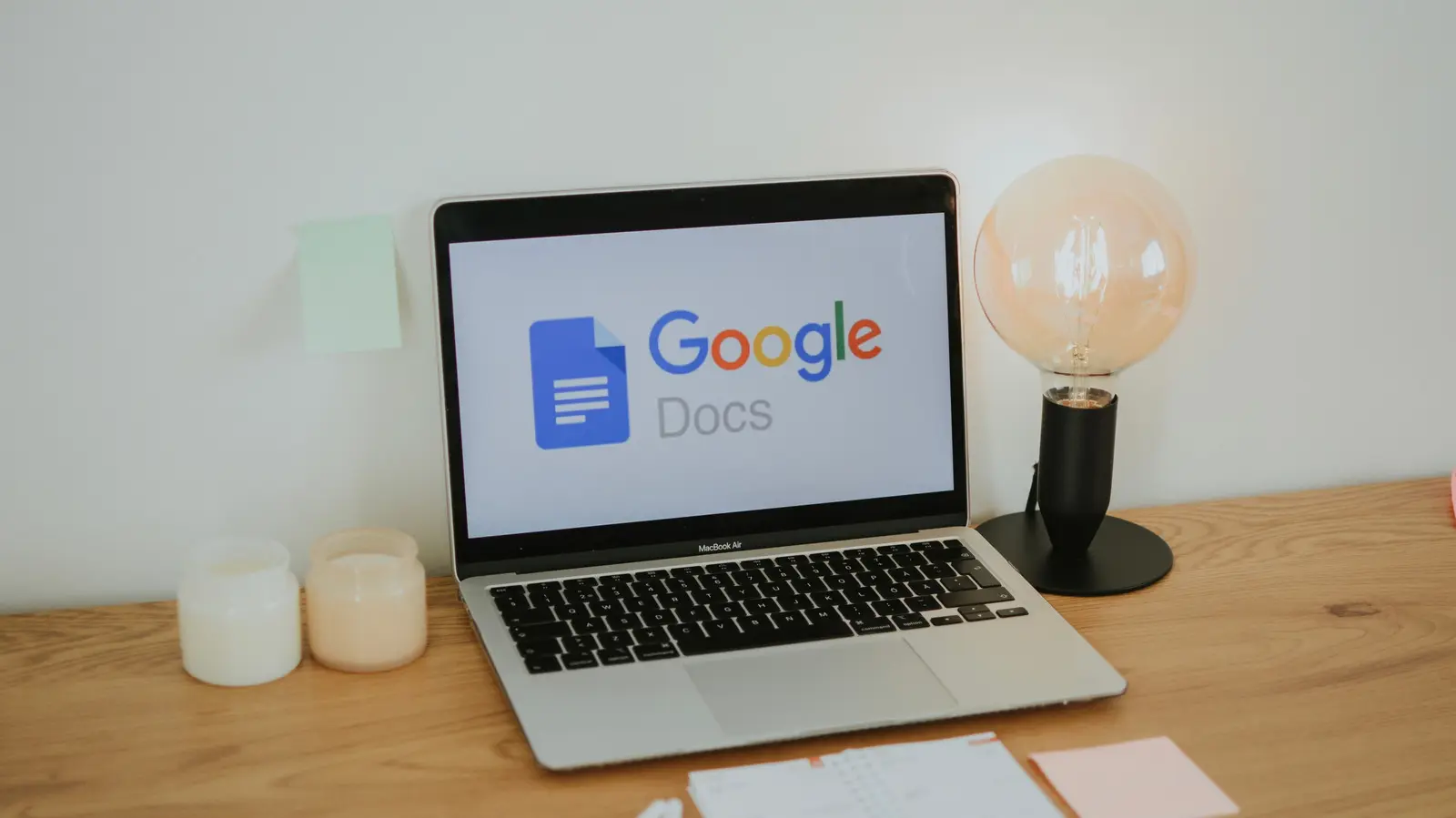 Google Docs Web Version Still Missing Native Dark Mode
 Anthropic-Linked Vulnerability Exploited From China, Targets US and Japan
 Text‑Based AI Agents: Your New Digital Assistants
The dismissal request was submitted earlier this week by X and SpaceXAI. These entities filed a motion to voluntarily dismiss their claims against Apple with prejudice. This means the claims cannot be refiled in the future. The lawsuit originally targeted both Apple and OpenAI. It was initiated last year by Musk’s corporate interests. The voluntary nature of the dismissal suggests a negotiated resolution rather than a forced exit.
Judge Pittman is not accepting the withdrawal at face value. He wants to understand the underlying mechanics of the decision. Specifically, he seeks information on any agreements that may have facilitated the departure. This scrutiny ensures transparency in the federal court process. It prevents parties from hiding favorable terms behind procedural motions. The judge’s interest highlights the complexity of modern tech antitrust cases.
Does This Signal a Broader Truce?
Musk’s companies argued that continuing the suit against Apple was no longer necessary. They focused their efforts on the remaining defendant, OpenAI. By dropping Apple, they streamlined their legal strategy. However, the judge’s questions imply that something may have changed in the relationship between the parties. Perhaps a licensing deal or a partnership was reached. The exact nature of this potential agreement remains under review.
The timing of the dismissal raises questions about industry dynamics. Musk has been vocal about his rivalry with OpenAI. Dropping Apple might indicate a strategic pivot. It could suggest that the primary friction now lies elsewhere. Analysts watch closely for signs of broader cooperation among tech giants. The judge’s probe adds a layer of accountability to these maneuvers.
Pittman’s request for details serves as a check on corporate maneuvering. It forces the parties to explain their rationale clearly. This approach protects the integrity of the antitrust framework. It ensures that dismissals are not used to obscure ongoing collusion. The court will likely wait for written responses before making a final ruling.
Frequently Asked Questions
Why did Musk’s companies drop Apple from the lawsuit? X and SpaceXAI filed a motion to voluntarily dismiss their claims against Apple with prejudice. They stated that their focus should remain on the claims against OpenAI. This streamlines the legal proceedings for the remaining defendants.
What does „dismissal with prejudice” mean in this context? It means the claims against Apple are permanently closed. The plaintiffs cannot refile the same antitrust arguments against Apple in the future. This indicates a final resolution of that specific part of the dispute.
Why is Judge Pittman asking for more details? The judge wants to know if any agreements influenced the decision to drop Apple. He seeks clarity on whether a settlement or new partnership triggered the dismissal. This ensures the court understands the full scope of the parties’ interactions.
Comments
Leave a comment