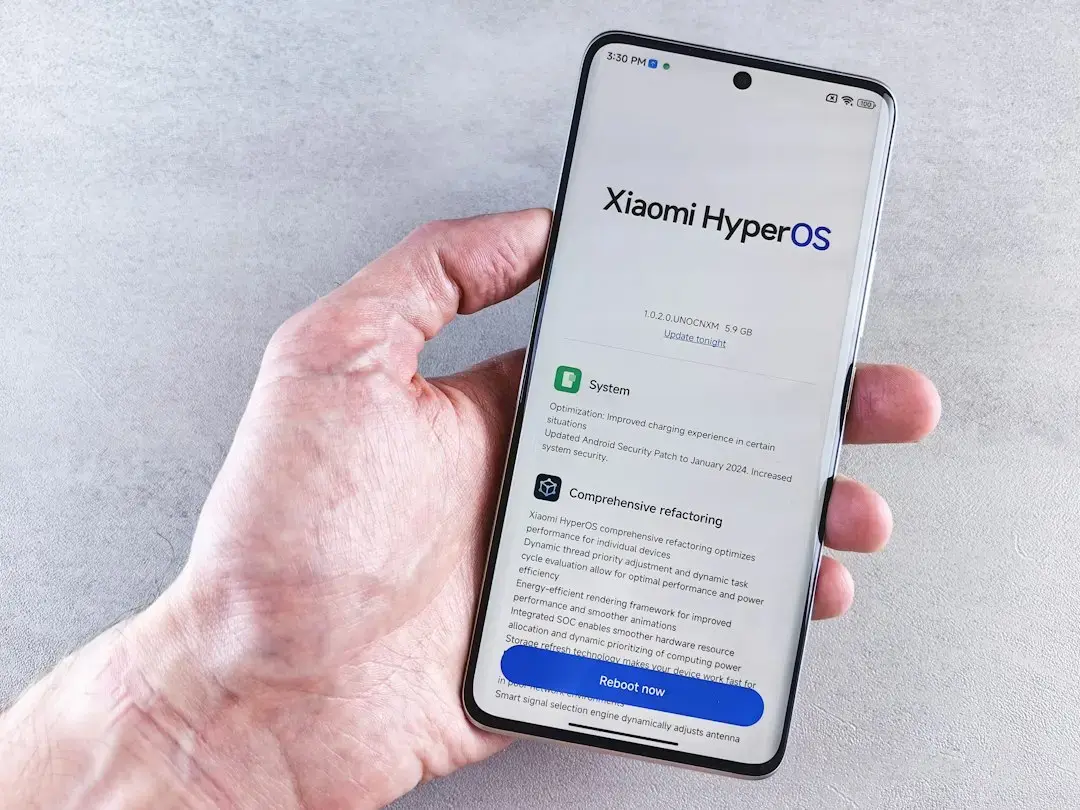
Glass-Covered Interface Redefines Xiaomi's Visual Language
Xiaomi has launched global beta recruitment for HyperOS 4, the next major Android 17 update for its premium smartphones. The update is available now for Xiaomi 17, 17 Ultra, and Leica Leitzphone 2, with the 17T and 15 series set to receive it on September 17. This overhaul introduces a translucent Soft Light Glass design aesthetic, enhanced widget functionality, and a redesigned device management hub.
Latest news
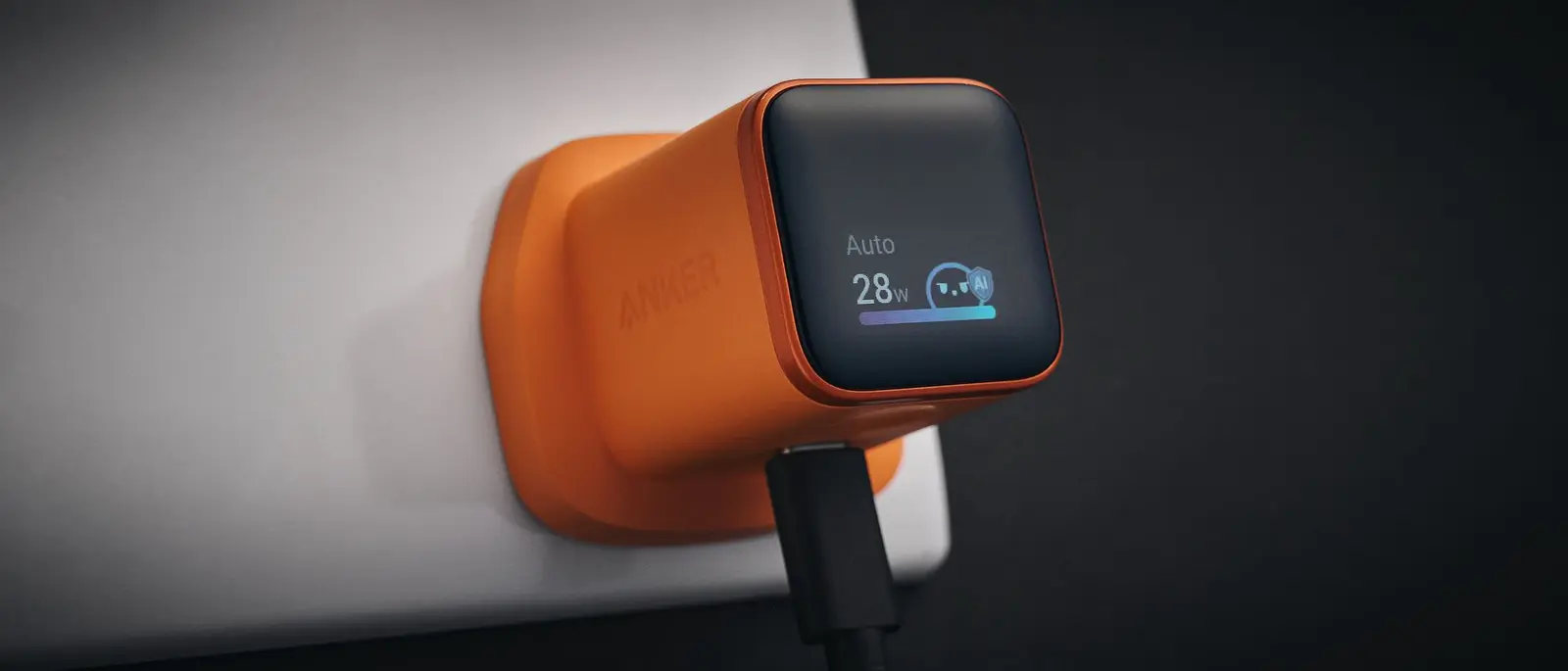 Anker Unveils Playful 45W Charger With Animated Face Display
 Google Docs Web Version Still Missing Native Dark Mode
 Anthropic-Linked Vulnerability Exploited From China, Targets US and Japan
 Text‑Based AI Agents: Your New Digital Assistants
The new HyperOS 4 interface features a distinctive translucent Soft Light Glass design language that gives the operating system a more premium, ethereal appearance. Stacked widgets allow users to organize their home screen more efficiently, while grouped notifications streamline how alerts are displayed and managed. The redesigned device hub centralizes control over connected gadgets, making it easier to monitor and manage all IoT devices from a single location. These visual and functional improvements represent the most significant UI refresh Xiaomi has delivered in recent years.
Will These Changes Influence the Wider Android Ecosystem?
The Soft Light Glass design creates a sense of depth and transparency throughout the system, affecting everything from app icons to system dialogs. Early beta testers report that the translucent elements feel more integrated rather than overlaid, creating a cohesive aesthetic experience. The stacked widgets feature allows multiple information panels to occupy the same screen space, with users able to expand or collapse each widget as needed. This approach to information density reflects Google's broader push toward more adaptive interfaces that can adjust to different usage contexts.
Industry analysts suggest that HyperOS 4's design choices could pressure other Android manufacturers to reconsider their own interface strategies. The focus on transparency and widget intelligence addresses long-standing user complaints about cluttered home screens and fragmented device management. The grouped notifications system organizes alerts by app and priority level, reducing visual noise while ensuring important messages remain visible. Xiaomi's device hub now supports automatic device discovery and one-tap setup for new products, potentially setting a new standard for ecosystem integration.
When will the Xiaomi 15 series receive HyperOS 4? The update rolls out to the 15 series starting September 17, with broader availability following in the weeks after.
Frequently Asked Questions
What distinguishes the Soft Light Glass design from previous Xiaomi interfaces? Unlike earlier versions that relied on solid color schemes, the new design incorporates actual translucency effects that create visual layering and depth.
Can users opt out of the new widget system? The stacked widgets are designed to be optional, allowing users to maintain their existing home screen layout while gradually exploring the new functionality at their own pace.
Comments
Leave a comment