How the Privacy Function Works in a Tri-Fold Layout
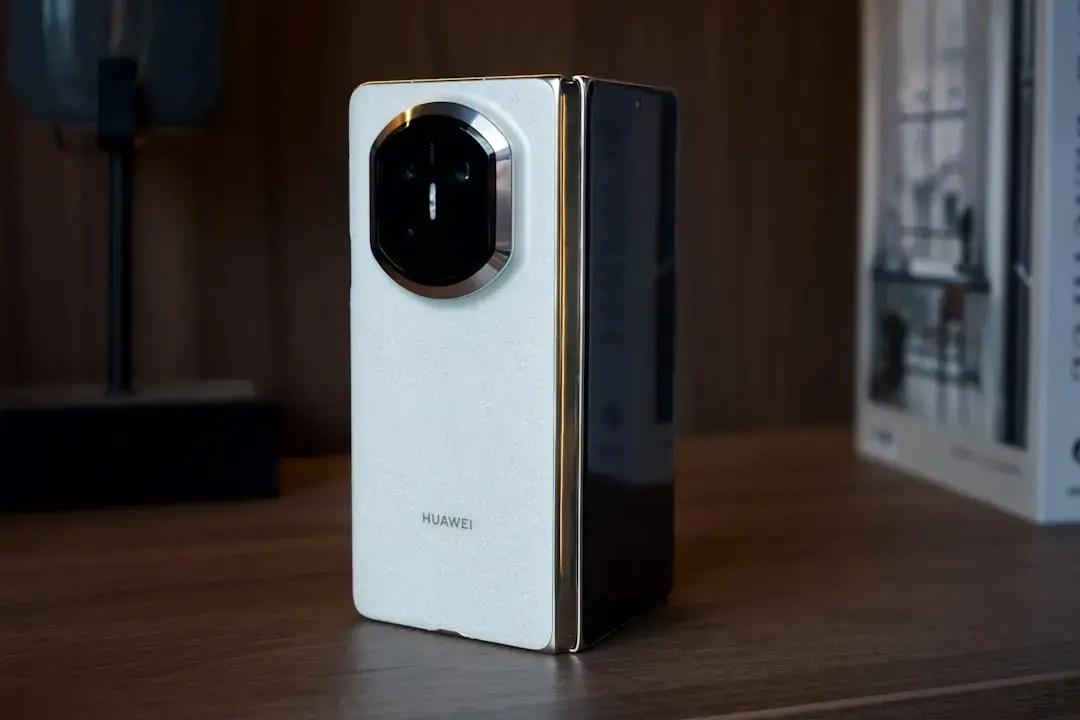
Huawei has introduced the Mate XT2, a new foldable smartphone featuring a tri-fold design that incorporates Samsung’s Privacy Display technology. The device was unveiled recently, marking a notable collaboration between the two tech rivals in display innovation. The integration aims to enhance user privacy by limiting screen visibility from side angles.
Latest news
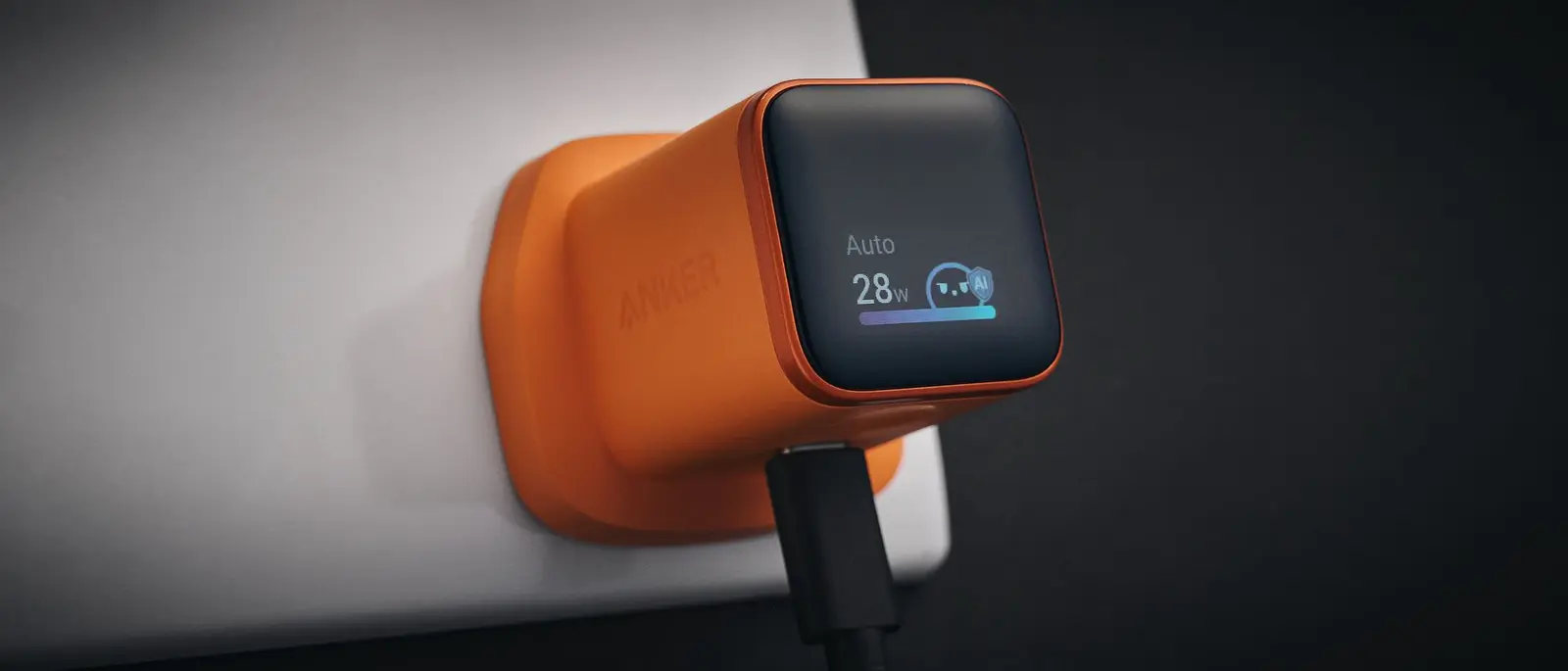 Anker Unveils Playful 45W Charger With Animated Face Display
 Google Docs Web Version Still Missing Native Dark Mode
 Anthropic-Linked Vulnerability Exploited From China, Targets US and Japan
 Text‑Based AI Agents: Your New Digital Assistants
The Privacy Display, originally featured on Samsung’s Galaxy S26 Ultra, works by adjusting pixel emission so that light is directed primarily toward the user’s direct line of sight. When activated, this makes the screen appear dark to viewers beside the user. Huawei has adapted this technology for its tri-fold form factor, applying it across the main internal display to maintain confidentiality in multi-mode usage.
The tri-fold design allows the Mate XT2 to unfold into a larger tablet-like screen or remain compact as a traditional phone. Huawei engineers have embedded the privacy layer into the flexible OLED panel, ensuring the viewing angle restriction remains consistent whether the device is fully opened, half-folded, or in single-screen mode. This adaptation required recalibrating the light-guiding film and pixel alignment to accommodate the complex folding mechanics without compromising brightness or color accuracy.
What Challenges Arise When Merging Rival Technologies?
Combining components from competing manufacturers presents technical and supply chain hurdles. Huawei had to secure licensing access to Samsung’s privacy tech while ensuring compatibility with its own hinge system and software interface. Industry analysts note that such cross-brand integration is rare in the foldable market, where companies typically guard proprietary display innovations. The Mate XT2 may signal a shift toward selective technology sharing to accelerate advancements in niche features like privacy-enhanced screens.
The inclusion of Samsung’s Privacy Display could set a precedent for future collaborations in specialized display technologies. While Huawei continues to develop its own foldable ecosystems, adopting proven external solutions may help differentiate its premium devices. Consumers benefit from increased screen security in public settings, though long-term durability of the privacy layer under repeated folding remains to be tested in real-world use.
Frequently Asked Questions
How does the Privacy Display affect screen brightness? When enabled, the Privacy Display reduces perceived brightness for side viewers but maintains normal visibility for the user facing the screen directly.
Is the tri-fold design compatible with all privacy modes? Yes, the privacy function operates consistently across all folding states—single, half, and fully unfolded—thanks to adaptive panel calibration.
Will this technology appear in other Huawei devices? Huawei has not announced plans to extend the Privacy Display to other models, but future foldables may consider similar integrations based on user feedback.
Comments
Leave a comment